
Highlights:
- US Treasury Secretary Scott Bessent called the EU “very disappointing” over its Russia oil stance
- Washington imposed tariffs on India over Russian oil; Europe declined to join
- US officials say the India-EU deal heavily favors New Delhi
- The agreement creates a market of nearly two billion people
- Trade tensions deepen amid already strained US-EU relations
The United States has expressed strong dissatisfaction with the European Union following the signing of a landmark free trade agreement between India and the EU, accusing Europe of prioritizing economic interests over its stated commitment to Ukraine amid the ongoing Russia-Ukraine war.
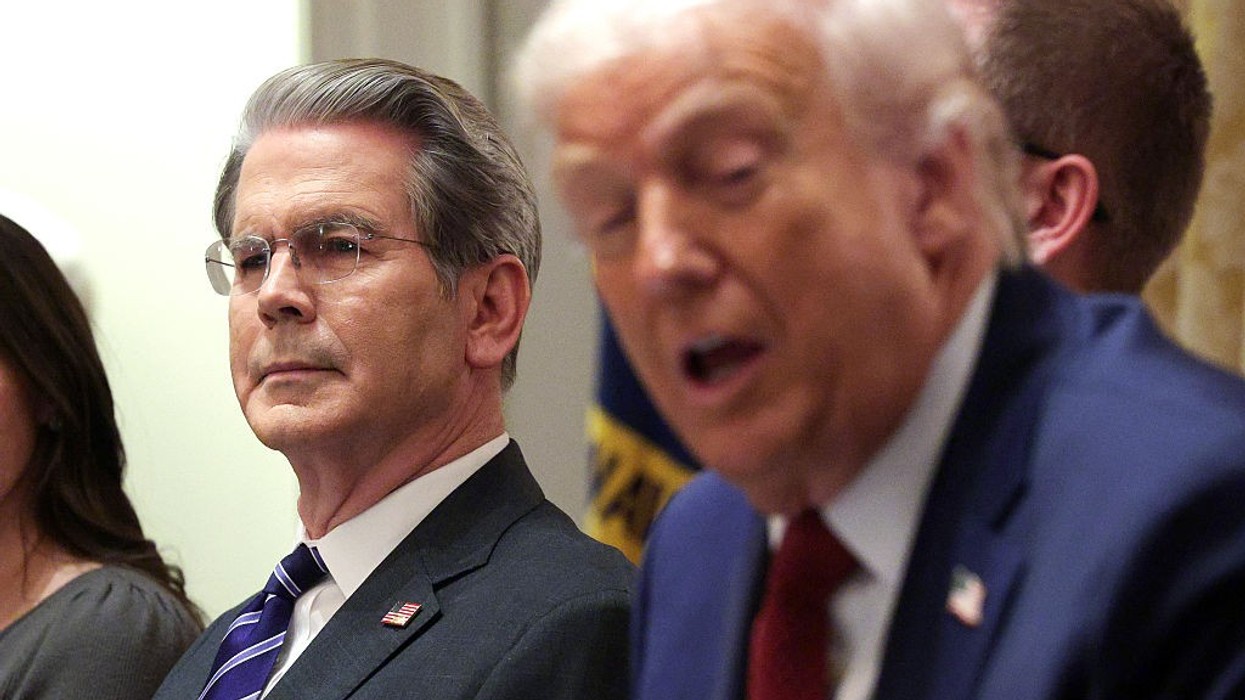
Speaking to CNBC’s Squawk on the Street, US Treasury Secretary Scott Bessent said he found the Europeans “very disappointing,” particularly given their frontline role in supporting Ukraine against Russia. His comments came in response to a question about the massive India-EU free trade agreement and whether it undermines American interests as global trade patterns shift away from the United States.
Bessent criticized the EU for refusing to join Washington in imposing tariffs on India for purchasing Russian oil, despite Europe later buying refined products derived from that same oil. “India started buying sanctioned Russian oil, and guess who was buying the refined products? The Europeans,” Bessent said, adding that Europe was effectively “funding the war against themselves.”
The US had imposed a 25 percent tariff on India in response to its continued purchases of Russian oil, but European nations declined to support the move. According to Bessent, Europe’s unwillingness to align with Washington was driven by its desire to finalize the trade deal with India. “Every time you hear a European talk about the importance of the Ukrainian people, remember that they put trade ahead of the Ukrainian people,” he said.
Addressing Europe’s energy needs, Bessent acknowledged that the EU requires affordable fuel but argued that the US could also access cheaper energy if it were willing to buy sanctioned Russian oil. “At a price, they want cheap energy,” he remarked.
Bessent’s comments marked the second day in a row that senior Trump administration officials publicly criticized the India-EU agreement, which has been billed as the “mother of all deals.” On Tuesday, US Trade Representative Jamieson Greer said India appeared to have gained the upper hand in the agreement.
“I’ve looked at some of the details so far, and frankly, I think India comes out on top,” Greer said in an interview with Fox Business. He pointed to increased market access for Indian goods and possible mobility provisions that could allow greater movement of Indian workers into Europe.
Greer argued that the EU is doubling down on globalization at a time when the US is attempting to rebalance its own economy by prioritizing domestic production. He said Europe, heavily dependent on trade with the US, is seeking alternative markets as Washington tightens access to its own.
The India-EU free trade agreement creates a combined market of nearly two billion people and accounts for almost one-quarter of global GDP. Under the deal, tariffs will be reduced on 99 percent of Indian exports to the EU and more than 97 percent of EU exports to India.
Indian industries such as textiles, apparel, leather goods, footwear, handicrafts, and marine products are expected to benefit significantly, while European sectors including wine, automobiles, chemicals, and pharmaceuticals stand to gain. The two sides also signed agreements on security, defense cooperation, and the mobility of Indian talent, underscoring a broader strategic partnership at a time of cooling US-EU relations.