
Highlights
- Legal threats over the Seedance video tool signal a shift from experimentation to enforcement
- Studios are increasingly framing AI as an authorship and rights issue, not just a tech question
- The outcome could reshape contracts, production workflows, and performer protections
Standfirst
A legal standoff between ByteDance and entertainment giants, including The Walt Disney Company, has crystallized the film industry’s growing anxiety over generative video. What began as a tool promising efficiency is now forcing a fundamental debate about ownership, creativity, and the future economics of storytelling.
From innovation to confrontation
For much of the past two years, Hollywood’s relationship with generative AI has been defined by cautious curiosity. Studios tested tools in previsualization, marketing, and postproduction, while tech companies pitched automation as a way to cut costs and speed up timelines.
That tentative coexistence has hardened into confrontation with the dispute surrounding Seedance, a video generation platform linked to ByteDance. Major studios, led by Disney, moved to challenge what they argue are unauthorized uses of copyrighted characters and visual styles, signaling that the industry now sees AI less as a novelty and more as a direct competitive threat.
The conflict marks a turning point: rather than debating hypothetical risks, studios are beginning to test the limits of intellectual property law in real time.
Why authorship is the real battleground
At the center of the dispute lies a deceptively simple question who is the author when an algorithm generates a scene?
Studios contend that generative systems trained on vast libraries of film and television effectively monetize decades of creative labor without consent. Technology firms, meanwhile, frame their tools as transformative platforms that produce new works rather than replicas.
This tension goes beyond legal theory. If courts side with studios, licensing regimes and stricter data transparency rules could become standard. If not, the economics of content creation, already strained by streaming competition, may shift further toward technology providers.
A labor issue as much as a legal one
The Seedance row also lands in the shadow of recent industry labor disputes, where writers and actors pushed for safeguards around digital likeness and automated writing tools.
For unions, the concern is not only job displacement but also the erosion of residuals and credit the mechanisms that have historically sustained creative careers. By challenging AI platforms early, studios are, in effect, negotiating the boundaries of future labor contracts as much as they are defending intellectual property.
The business calculus behind the backlash
Despite the rhetoric, studios are not rejecting AI outright. Many continue to invest in proprietary tools, betting that in-house systems offer both efficiency and legal control.
The dispute therefore, reflects a strategic calculation: the industry wants the productivity gains of automation without surrendering ownership of the creative pipeline. In that sense, the conflict is less about halting technology and more about deciding who captures its value.
What happens next
Legal outcomes in the Seedance case, whether settlement, regulation, or court precedent, will likely set the tone for the next decade of film and television production.
If stricter rules emerge, the industry could move toward a licensing model resembling music sampling, where datasets are negotiated and paid for. If enforcement proves difficult, studios may accelerate investment in exclusive franchises and live experiences that are harder for AI systems to replicate.
Either way, the dispute has already achieved one thing: it has forced Hollywood to confront a future where creativity, code, and capital are inseparable.






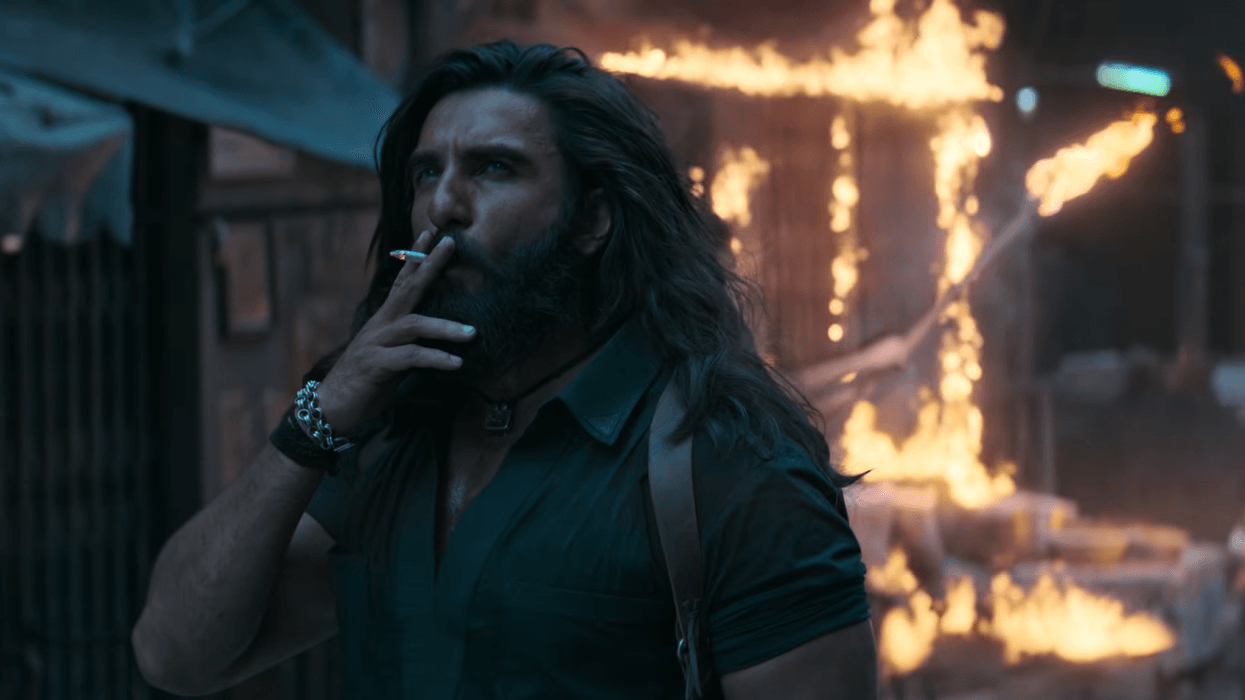
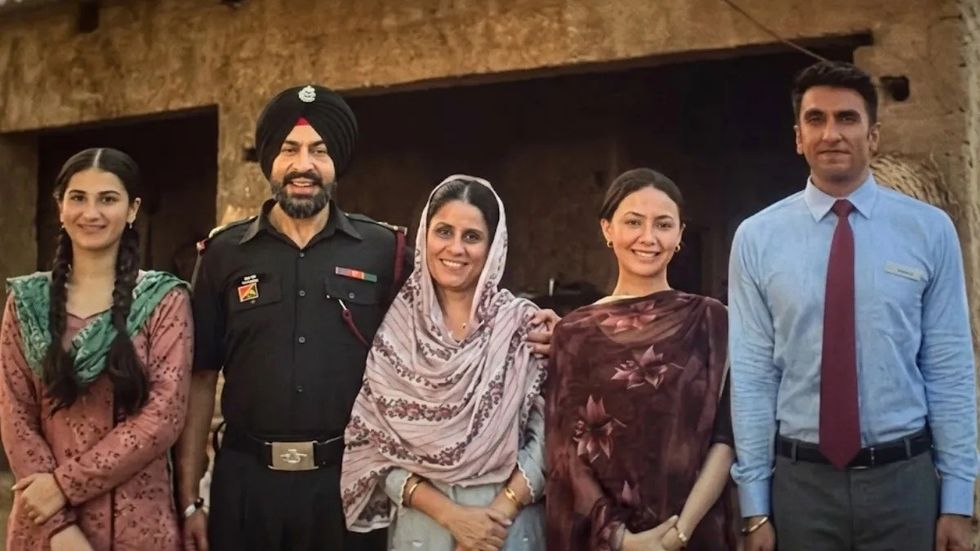 Ranveer Singh in Dhurandhar The RevengeX
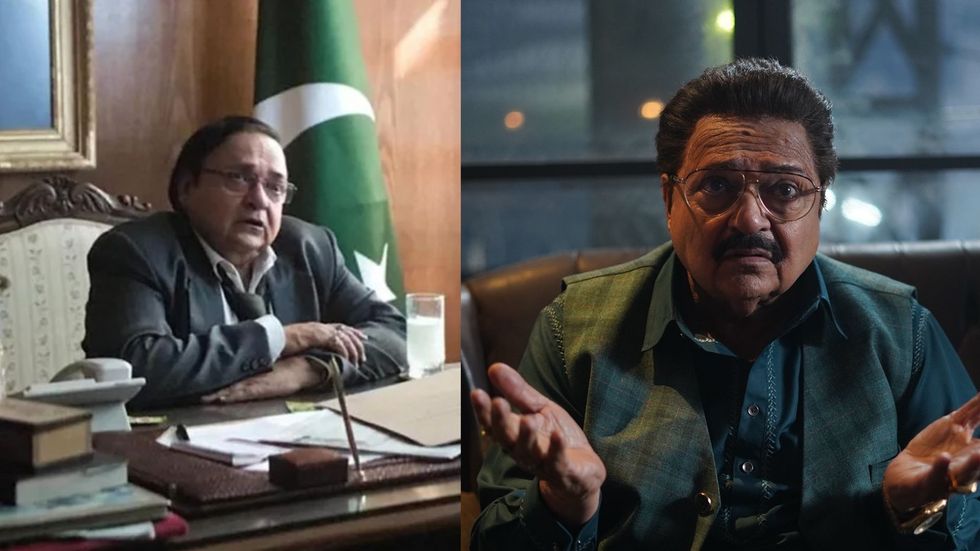 Rakesh Bedi as Jameel Jamali in Dhurandhar (R) and ISI agent in Uri: The Surgical Strike (L)Instagram/@
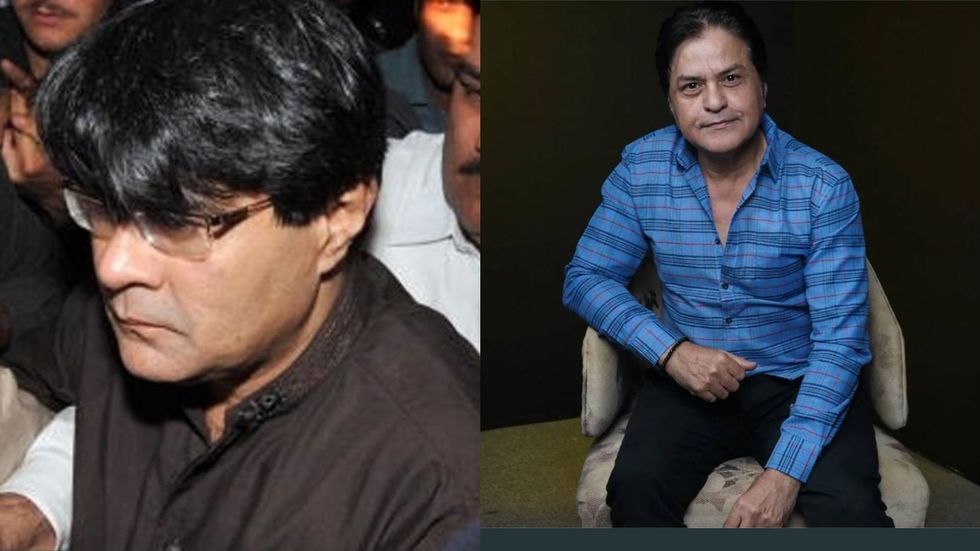 Ankit SagarInstagram/@
 Ranveer Singh in DhurandharTimes Now