
- A 25-minute Treta Yuga episode is estimated to cost $30–36 million alone.
- The film’s total production budget is reportedly around $156 million, plus $24 million for promotions.
- Advanced CGI, motion capture, and crowd simulation are being used extensively.
- International stunt teams and a live orchestral score are part of the production.
- The movie is scheduled for global release on April 7, 2027.
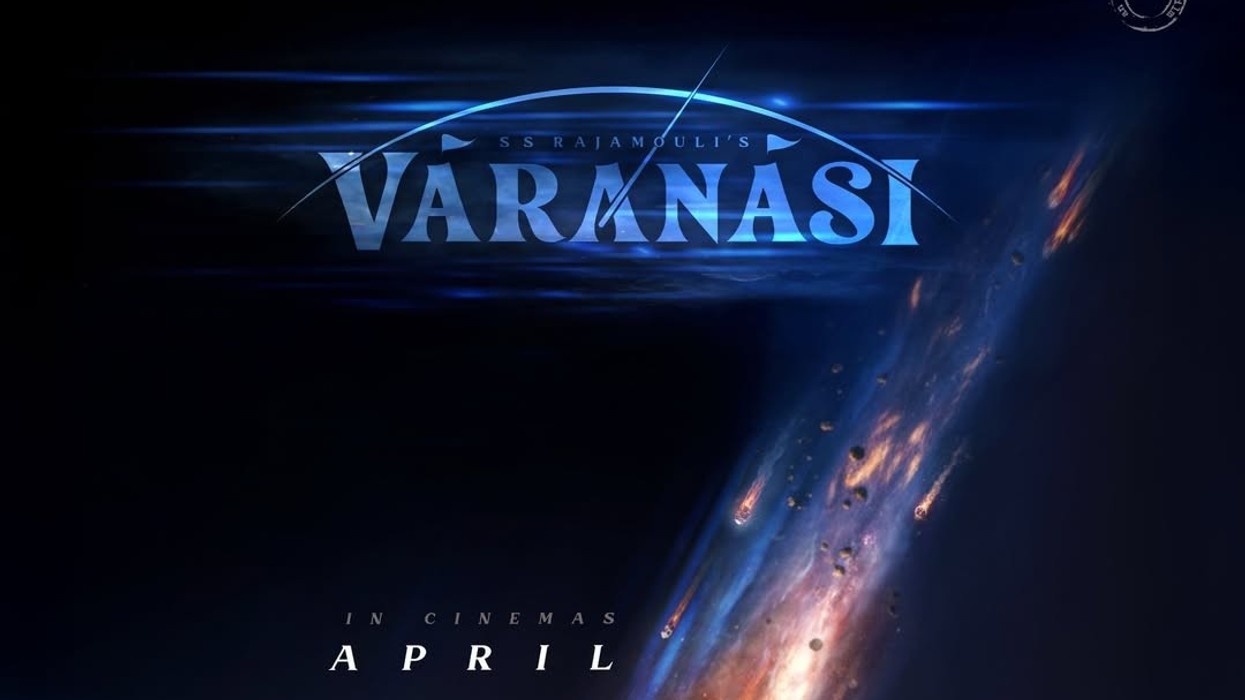
Acclaimed filmmaker S. S. Rajamouli is once again pushing the boundaries of Indian cinema with his upcoming fantasy-mythological action epic, Varanasi. Starring Mahesh Babu in the lead role, the film is already generating enormous global buzz for its scale, ambition, and record-setting budget. Slated for release on April 7, 2027, the project is shaping up to be one of the most expensive and technically ambitious films ever produced in India.
One of the most talked-about aspects of Varanasi is an elaborate 25-minute sequence set in the Treta Yuga, the mythological era associated with Lord Rama. Industry reports suggest that this single segment could cost between $30 million and $36 million, making it one of the most expensive sequences ever attempted in Indian filmmaking. The scene is expected to recreate an ancient world in stunning detail, complete with grand sets, intricate costumes, divine weaponry, and large-scale battle sequences.
The production team is relying heavily on cutting-edge visual effects to bring the mythological setting to life. Thousands of CGI shots are reportedly being created to ensure that the visuals appear immersive rather than artificial. Depending on complexity, individual VFX shots can cost hundreds of thousands of dollars. Advanced filmmaking technologies such as motion capture, crowd simulation, and sophisticated special effects are being deployed to enhance realism and scale. These technical demands have significantly driven up the production budget.
Authenticity is central to Rajamouli’s vision. Every element — from jewelry and armor to architecture and body language — is being carefully researched and designed to align with mythological narratives. This meticulous attention to detail has further increased costs, but the team believes it is essential to delivering a believable and emotionally resonant cinematic experience.
Beyond visual effects, the film also boasts an international crew. Renowned global stunt teams are choreographing large-scale action sequences, while a live orchestral score is being planned to elevate the film’s dramatic impact. The Treta Yuga episode reportedly includes massive battlefield scenes and depictions of celestial weaponry, requiring elaborate set construction and highly detailed digital enhancements.
Varanasi is being positioned as a pan-India film with global appeal. Portions of the movie are being shot in international locations, including Georgia, adding to its expansive visual canvas. The production’s worldwide scope reflects its ambition to compete with large-scale international fantasy epics.
Overall, the film’s total production budget is estimated at approximately $156 million, with an additional $24 million allocated for marketing and promotional campaigns. These figures place Varanasi among the most expensive films ever made in India.
Given Rajamouli’s track record of delivering visually spectacular blockbusters that resonate with both domestic and international audiences, expectations are extraordinarily high. If successful, Varanasi could set new standards for scale, storytelling, and technical excellence in Indian cinema.


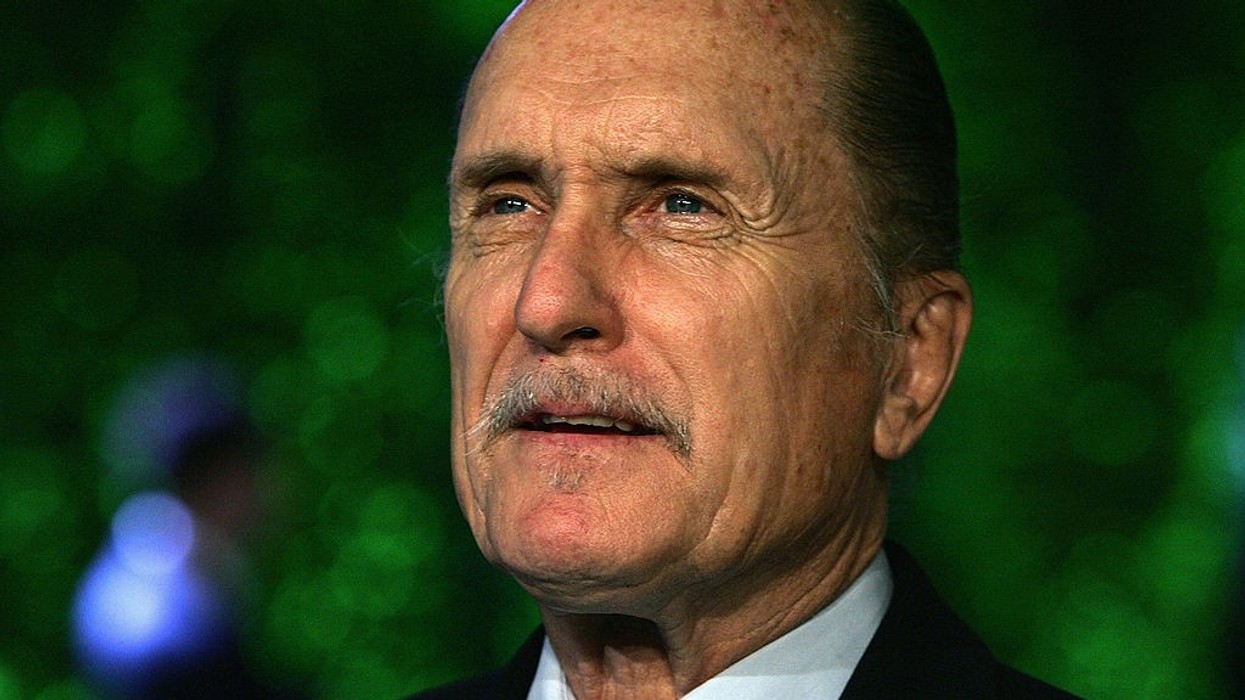
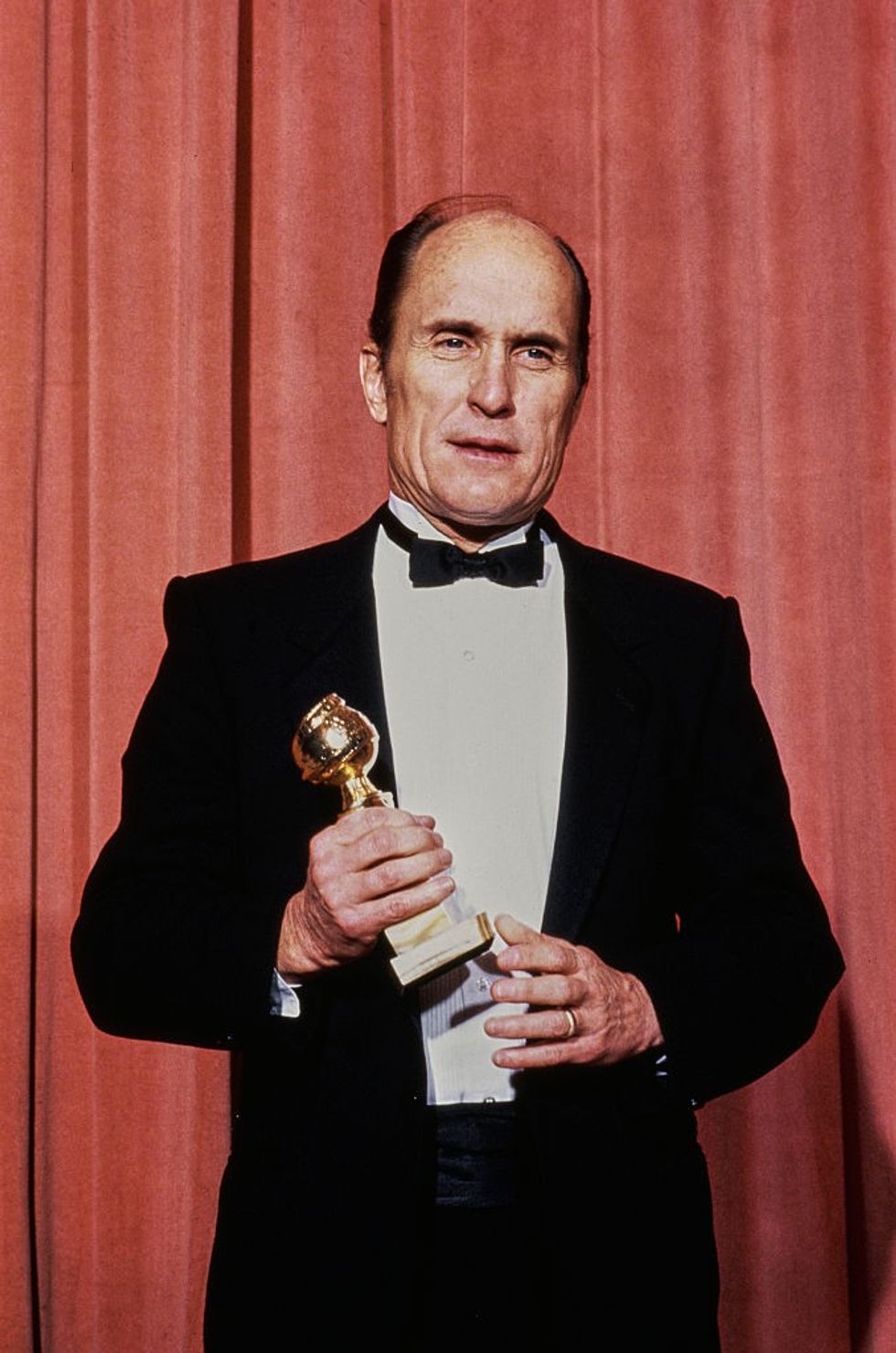 American actor Robert Duvall, wearing a tuxedo and bow tie, in the 41st Golden Globe Awards press room at the Beverly Hilton Hotel in Beverly Hills, California, 28th January 1984. Duvall holds the 'Best Performance in a Motion Picture (Drama)' award, which he received for his performance in 'Tender Mercies'. Getty Images