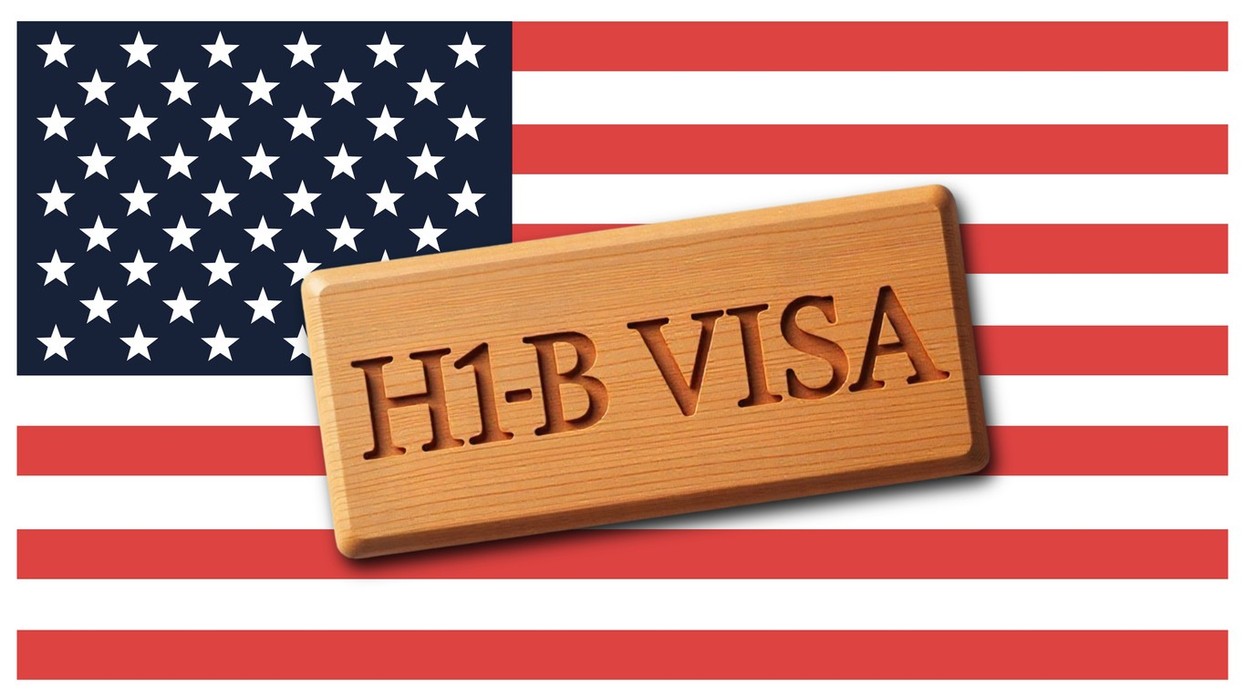

Texas governor Greg Abbott has ordered all state agencies and public universities to immediately suspend the filing of new H-1B visa petitions, significantly tightening hiring rules at taxpayer-funded institutions and potentially impacting thousands of foreign professionals, particularly from India.
The freeze will remain in place until May 2027 unless specific written approval is granted by the Texas Workforce Commission.
The directive, issued Tuesday (27), requires state entities to submit new H-1B petitions amid what Abbott described as growing concerns over abuse of the federal visa program. In a letter outlining the order, the governor said the move aligns with the federal government's ongoing review of the H-1B system to ensure that American jobs are filled by American workers.
“In light of recent reports of abuse in the federal H-1B visa program, and amid the federal government’s ongoing review of that program, I am directing all state agencies to immediately freeze new H-1B visa petitions,” Abbott said.
Beyond the hiring freeze, the order also mandates detailed reporting on existing H-1B employees. Institutions must disclose the number of visa holders they employ, their job roles, countries of origin, and visa expiration dates.
Texas, atraditionally Republican-led state, is home of tens of thousands of H-1B visa holders working across technology, healthcare, engineering, and research sectors.
The state-level action comes as the Trump administration has intensified efforts to reshape skilled immigration policies. In September last year, president Donald Trump signed a proclamation restricting the entry of certain non-immigrant workers unless their H-1B petitions were accompanied by $100,000 fee. The fee applies to all new H-1B applications filed after September 21, including those for the FY2026 lottery.
Indians account for an estimated 71 per cent of approved H-1B applications in recent years, according to US Citizenship and Immigration Services, making them the most affected by these policy shifts. China ranks a distant second. The visas are primarily used in technology, engineering, medicine, and advanced research fields.
Major corporate beneficiaries of the H-1B program include Amazon, which had 10,044 approved visas in 2025, followed by Tata Consultancy Services with 5,505. Other large users include Microsoft, Meta, Apple, Google, Deloitte, Infosys, Wipro, and Tech Mahindra Americas.
Texas public universities employ hundreds of foreign faculty members and researchers, many from India, particularly in engineering, healthcare, and technology disciplines. According to Open Doors data for the 2022–2023 academic year, about 270,000 Indian students were enrolled in US universities, representing 25 percent of the international student population. Indian students contribute roughly $10 billion annually to the US economy and support approximately 93,000 jobs nationwide.
Analysts warn that Abbott’s directive could slow the recruitment of highly skilled professionals, disrupting academic research and innovation. Supporters argue the move protects local workers and taxpayer interests, while critics caution it may weaken Texas’s competitiveness in higher education and global research.
The order adds to a broader national debate over skilled immigration and the role of state governments in influencing federal visa programs. H-1B visas are initially granted for three years and can be extended for another three. In September 2025, Trump also signed an executive order establishing the “Gold Card,” offering expedited visa access and a path to permanent residency for individuals or corporations willing to make multimillion-dollar payments to the US Treasury.