
The Trump administration has announced plans to make an additional 65,000 H-2B seasonal guest worker visas available through September 30, 2026, according to a notice published in the Federal Register. The move is intended to help US employers facing severe financial hardship due to persistent domestic labor shortages.
The H-2B visa program allows American businesses to hire foreign workers for temporary, non-agricultural jobs when they can demonstrate that there are not enough US workers available to fill those roles. Industries that rely heavily on the program include hospitality, construction, landscaping, seafood processing, and other seasonal sectors.
With the addition of these visas, the total number of H-2B visas available this year will nearly double the standard annual cap of 66,000. Administration officials acknowledged that many employers, particularly in labor-intensive industries, continue to struggle to recruit enough workers despite efforts to prioritize domestic hiring.
The decision comes amid President Donald Trump’s broader immigration agenda. Since returning to the White House in 2025, Trump has launched an aggressive immigration crackdown, emphasizing stricter enforcement against undocumented immigrants and portraying illegal immigration as harmful to public safety and local communities. His administration has also tightened several forms of legal immigration, including implementing broad travel restrictions and conducting extensive reviews of refugee and asylum applications.
Despite this hardline stance, the expansion of the H-2B program reflects a recognition that certain sectors of the U.S. economy remain dependent on foreign seasonal labor. Employers, particularly hotels, resorts, and construction firms, have repeatedly urged the federal government to increase visa availability, warning that labor shortages could disrupt operations, delay projects, and drive up costs.
Similar expansions of the H-2B program occurred under former President Joe Biden, as well as during Trump’s first term from 2017 to 2021, highlighting the program’s bipartisan use as a tool to address workforce gaps.
However, the move has drawn criticism from groups that favor lower levels of immigration. These organizations argue that guest worker programs can suppress wages and reduce job opportunities for American workers, particularly in lower-skilled occupations.
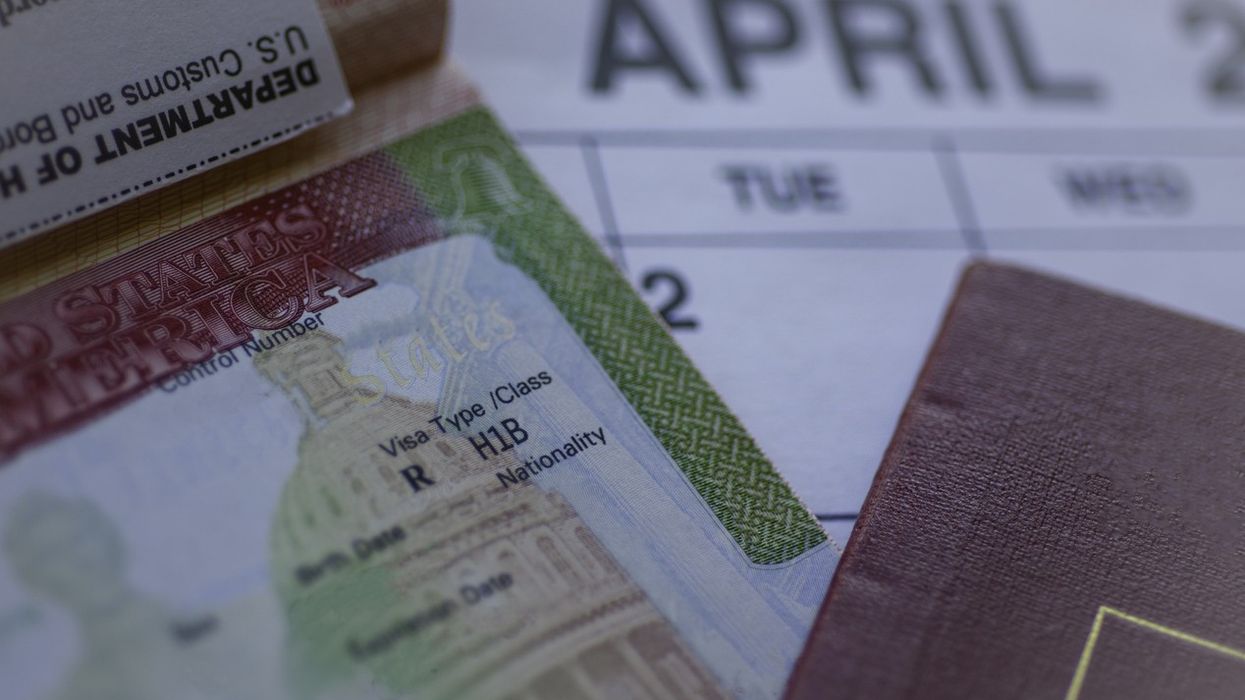
At the same time, the Trump administration has taken a tougher approach toward high-skilled immigration. Changes to the H-1B visa program, including the addition of a $100,000 fee, have made it more difficult for technology companies to hire foreign professionals and have already sparked legal challenges.
The temporary rule authorizing the additional H-2B visas is scheduled for formal publication in the Federal Register on Tuesday (3), making the expansion official.