
Highlights:
- US tariffs on Indian goods reduced from 25 per cent to 18 per cent
- India to lower tariffs and non-tariff barriers on US goods
- India commits to buying over $500 billion in US products
- Leaders reaffirm strong personal and strategic ties
- Deal positions India favorably against competing exporters
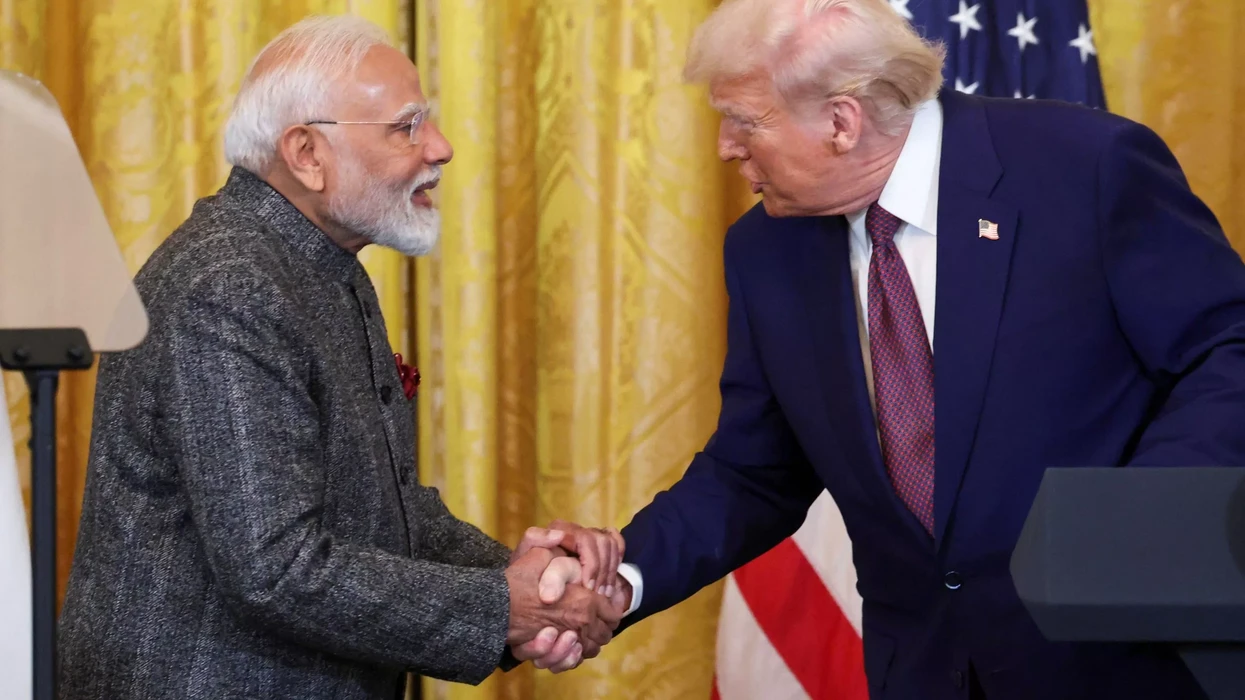
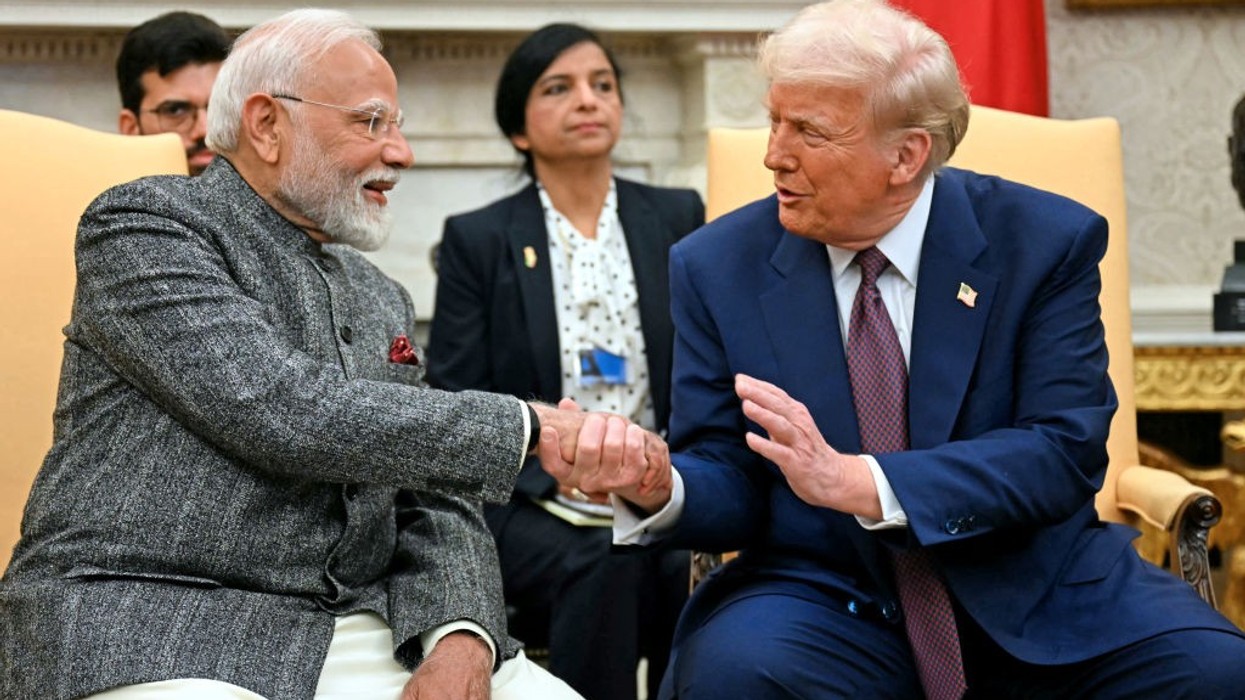
India and the United States have agreed to a trade deal under which Washington will reduce reciprocal tariffs on Indian goods to 18 per cent from the current 25 per cent, president Donald Trump said on Monday following a phone conversation with Prime Minister Narendra Modi.
The prime minister said he was delighted that “Made in India products will now have a reduced tariff of 18 per cent.”
“Wonderful to speak with my dear friend President Trump today. Delighted that Made in India products will now have a reduced tariff of 18%. Big thanks to President Trump on behalf of the 1.4 billion people of India for this wonderful announcement,” Modi said.
The prime minister added that when two large economies and the world’s largest democracies work together, it benefits people and “unlocks immense opportunities for mutually beneficial cooperation.”
“President Trump’s leadership is vital for global peace, stability, and prosperity. India fully supports his efforts for peace,” Modi said in a post on X.
Modi noted that he looked forward to working closely with Trump to take the bilateral partnership to unprecedented heights, without referring to several other issues mentioned in Trump’s social media post.
Trump said India would move forward to reduce “tariffs and non-tariff barriers” against the United States to zero, adding that New Delhi would purchase American goods, including energy, worth more than $500 billion.
“Out of friendship and respect for prime minister Modi, and at his request, effective immediately, we agreed to a trade deal between the United States and India, whereby the United States will charge a reduced reciprocal tariff, lowering it from 25% to 18%,” Trump said on social media.
India will “likewise move forward to reduce their tariffs and non-tariff barriers against the United States to zero,” he said.
Trump added that Modi also committed to buying American goods at much higher levels, in addition to more than $500 billion worth of US energy, technology, agricultural products, coal, and other items.
“Our amazing relationship with India will be even stronger going forward. Prime Minister Modi and I are two people that get things done, something that cannot be said for most,” Trump said.
In his remarks, Modi said, “When two large economies and the world’s largest democracies work together, it benefits our people and unlocks immense opportunities for mutually beneficial cooperation.”
“I look forward to working closely with him to take our partnership to unprecedented heights,” he added.
Trump said the two leaders also discussed ending the war between Russia and Ukraine.
“He agreed to stop buying Russian oil and to buy much more from the United States and, potentially, Venezuela,” Trump said.
“This will help end the war in Ukraine, which is taking place right now, with thousands of people dying each and every week,” he added.
Trump and Modi last spoke by phone in October 2025. The two leaders had agreed at a meeting in February last year to finalize the first tranche of a bilateral trade agreement by the fall.
Although both sides held several rounds of negotiations, progress stalled after Trump imposed 50 per cent tariffs on Indian goods, including 25 per cent punitive tariffs over India’s purchase of Russian crude oil.
The Modi-Trump phone call came on a day when External Affairs Minister S. Jaishankar traveled to Washington, D.C.
Officials said India now faces lower tariffs compared to competing export economies. They cited US tariffs of 19 per cent on Indonesia, 20 per cent on Vietnam, 20 per cent on Bangladesh, and 34 per cent on China.
Official sources said last week that India and the United States have made “very significant” progress in negotiations on the trade deal.