
Highlights:
- Trump says 'Cuba is next' during Miami speech
- No clear plan outlined, but military action hinted
- US engaged in ongoing talks with Cuban leadership
- Cuba faces severe economic crisis and energy shortages
- Comments follow US actions in Venezuela and Iran
President Donald Trump has sparked fresh geopolitical speculation after declaring that 'Cuba is next' during a speech in Miami, where he highlighted recent American military actions abroad. The remark, though brief and somewhat ambiguous, has drawn attention due to its timing and the broader context of escalating US involvement in global conflicts.
Speaking at an investment forum in Miami on Friday (27), Trump praised what he described as successful US military operations in countries such as Venezuela and Iran. In that context, he suggested that Cuba could be the next focus of US attention. However, he did not provide any details about what form such action might take, whether diplomatic, economic, or military.
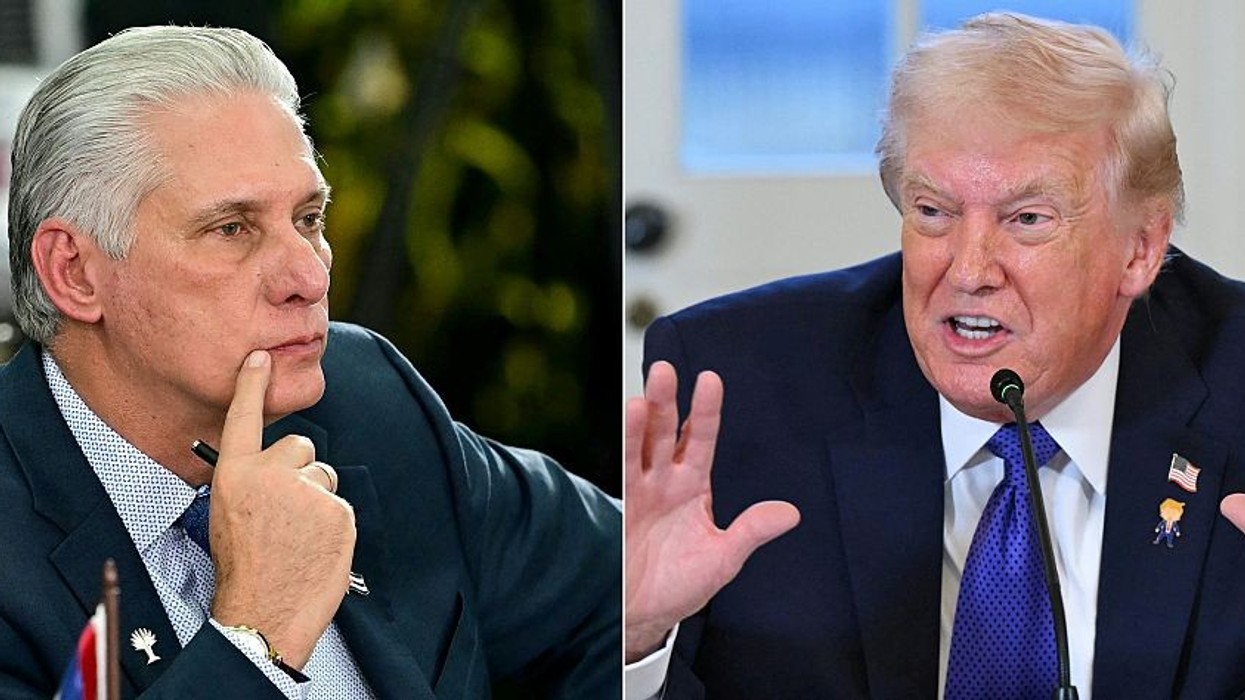
“I built this great military. I said, ‘You’ll never have to use it.’ But sometimes you have to use it. And Cuba is next, by the way,” Trump said, before quickly adding, “But pretend I didn’t say that.”
Despite the offhand tone, the statement aligns with a series of recent remarks from the president suggesting that Cuba’s current government is under significant strain. Trump has repeatedly argued that the leadership in Havana is nearing collapse due to a worsening economic crisis.
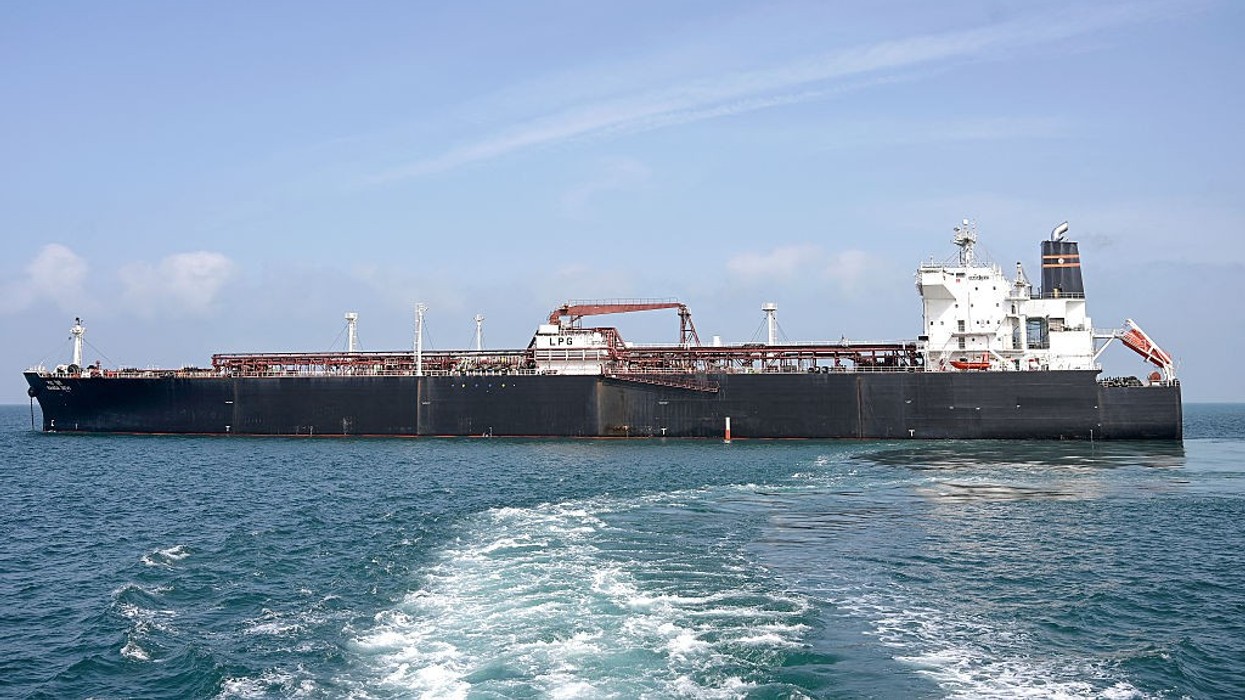
Cuba’s economic difficulties have intensified in recent months, largely due to disruptions in energy supplies and the loss of critical oil imports, particularly from Venezuela. These shortages have affected transportation, electricity generation, and overall economic stability, increasing pressure on the government.
At the same time, the Trump administration has reportedly been engaged in behind-the-scenes discussions with elements of Cuba’s leadership. These talks appear to be aimed at exploring possible political or economic arrangements that could ease tensions between the two nations. Cuban officials, including President Miguel Díaz-Canel, have acknowledged ongoing dialogue, emphasizing a preference for negotiation over confrontation.
Trump’s rhetoric, however, has introduced uncertainty about the direction of US policy. While negotiations suggest a diplomatic track, his references to military strength and past actions in other regions hint at the possibility of more forceful measures. Analysts note that such mixed signals could be part of a broader strategy to pressure Havana into concessions.
Earlier statements from the president have also alluded to the idea of a “friendly takeover” or a rapid political transition in Cuba, though no formal proposal has been outlined.
The situation remains fluid, with multiple factors influencing the trajectory of U.S.-Cuba relations. On one hand, economic hardship in Cuba may push its leadership toward compromise. On the other hand, heightened rhetoric from Washington risks escalating tensions if not matched by clear diplomatic intent.
For now, Trump’s comment that “Cuba is next” stands as a provocative signal rather than a defined policy, one that underscores both the uncertainty and the stakes surrounding the future of the island nation.





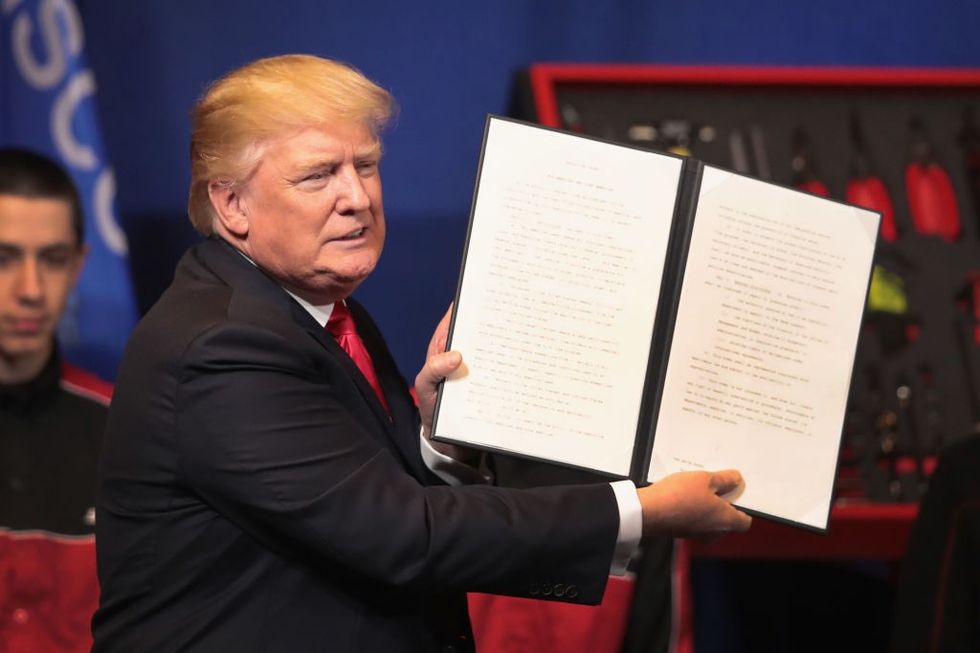 President Donald Trump signs an executive order to try to bring jobs back to American workers and revamp the H-1B visa guest worker program during a visit to the headquarters of tool manufacturer Snap-On on April 18, 2017 in Kenosha, Wisconsin. Getty Images