
Highlights:
- Trump urged countries reliant on Gulf oil to help secure the Strait of Hormuz.
- Vessel traffic through the strategic waterway has slowed dramatically following recent attacks.
- Several commercial ships have been damaged since conflict with Iran escalated.
- Few U.S. allies have committed to deploying naval forces to the region.
- Oil prices remain elevated as markets react to potential supply disruptions.
President Donald Trump has called on countries that depend heavily on Gulf energy supplies to help protect the Strait of Hormuz, warning that Washington will remember which nations step forward as tensions in the region disrupt global shipping.
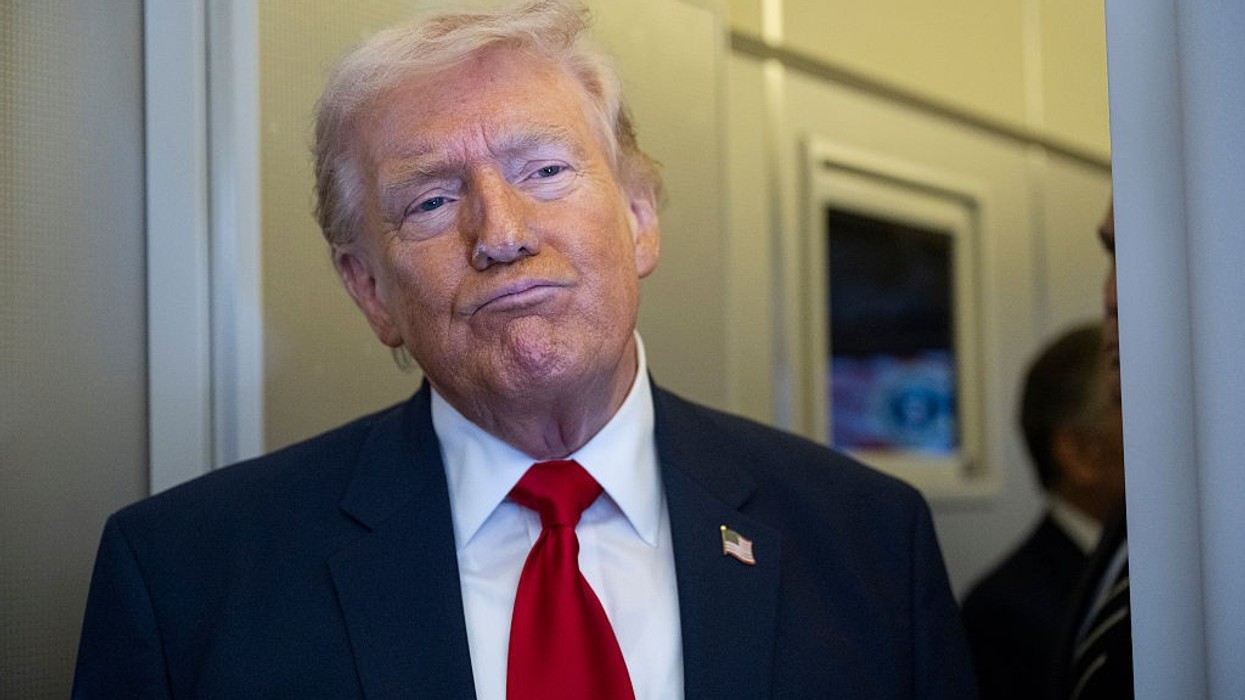
Speaking to reporters aboard Air Force One on Sunday, Trump argued that the narrow waterway—one of the world’s most critical oil transit routes—benefits other nations more than it benefits the United States. He specifically pointed to China, saying Beijing relies far more heavily on energy shipments passing through the strait.
“I’m demanding that these countries come in and protect their own territory,” Trump said. “It’s the place from which they get their energy, and they should come and help us protect it.”
The president questioned why the United States should bear the sole responsibility for safeguarding the strategic passage. Trump claimed that roughly 90% of China’s crude oil imports pass through the strait, while the United States depends on it for only a small fraction of its energy supply.
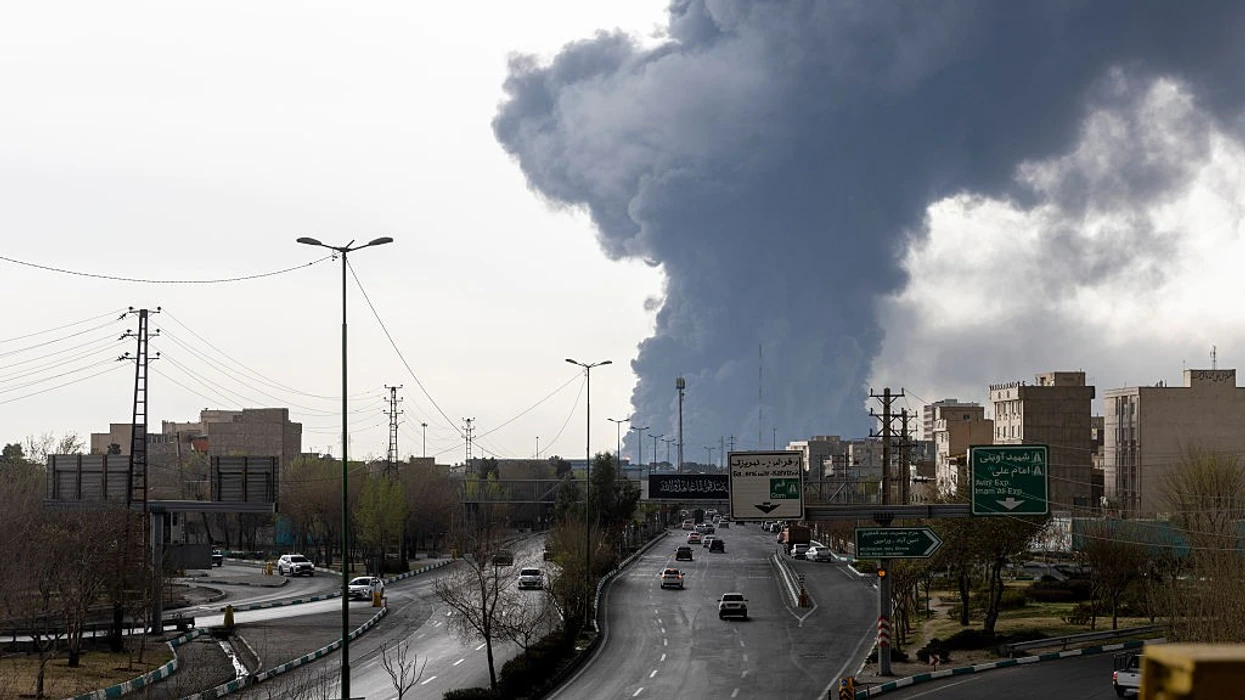
The comments come as maritime traffic through the waterway has slowed significantly after the United States and Israel launched attacks on Iran last month, escalating tensions across the region. Since the conflict began, several commercial vessels navigating the strait have reportedly been damaged.
The Strait of Hormuz is one of the most important chokepoints in global energy trade, carrying roughly one-fifth of the world’s oil and liquefied natural gas shipments. Disruptions in the area have already pushed oil prices higher. On Monday, U.S. benchmark crude traded near $100 per barrel, while global benchmark Brent crude hovered above $100.
Despite pressure from Washington, most allied nations have not announced plans to send naval forces to the region. According to reports, the United States Navy has also declined frequent requests from shipping companies to escort commercial vessels through the strait, citing concerns about the high risk of attacks.
Some countries have publicly ruled out immediate involvement. Japanese Prime Minister Sanae Takaichi said Japan currently has no plans to dispatch naval vessels to escort shipping in the Middle East. Meanwhile, Australia’s transport minister Catherine King indicated that Canberra would not be sending ships to the area.
New Zealand has also not received any request to participate, according to Finance Minister Nicola Willis.
Trump said the United States is currently in discussions with about seven countries regarding potential support but declined to name them. He also criticized NATO members, suggesting that allies who benefit from U.S. military backing should reciprocate by helping maintain stability in the waterway.
“Whether we get support or not,” Trump said, “I can say this—we will remember.”
Meanwhile, European governments are exploring potential measures to restore commercial shipping through the strait. The European Union is expected to discuss expanding its existing maritime security mission, Operation Aspides, though officials say any decision would require approval from all member states.
EU foreign policy chief Kaja Kallas said maintaining access to the strait is critical for global trade and energy markets, and discussions are underway about how European nations could contribute to ensuring the route remains open.
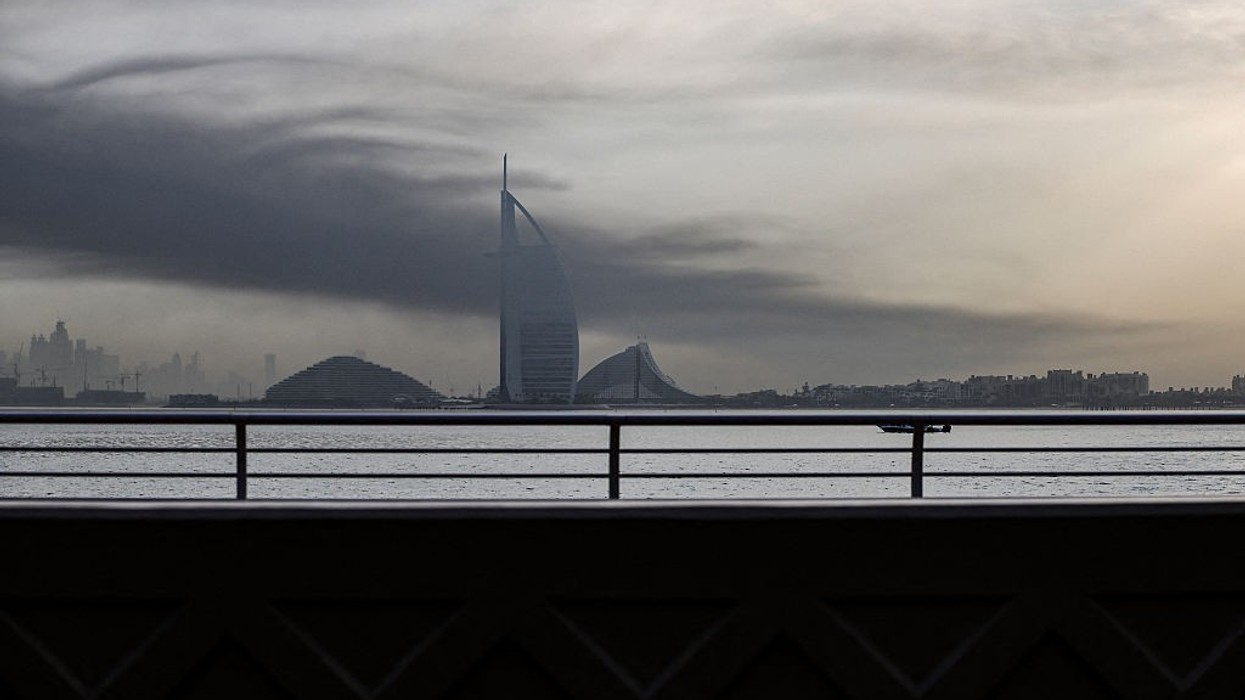
Despite Trump’s claim that Iran has been significantly weakened, reports of ongoing drone and missile strikes in the region—including attacks in Dubai and Israel—suggest that the conflict remains volatile. As a result, shipping traffic through the Strait of Hormuz remains severely limited, raising continued concerns about global energy supply and economic stability.