
Highlights:
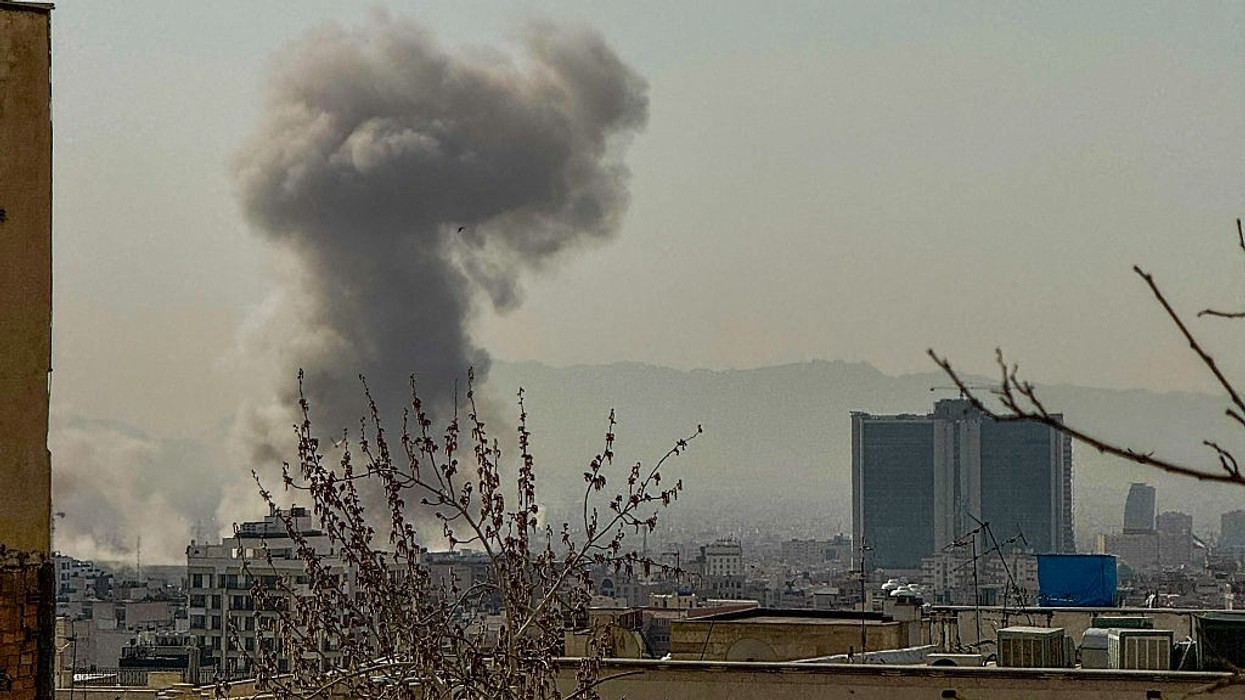
President Donald Trump has said he is considering 'very strong' military options against Iran as the death toll from a sweeping crackdown on anti-government protests continues to rise. Human rights groups report that hundreds of people have been killed as Iranian authorities attempt to suppress the most serious unrest the country has faced in years.
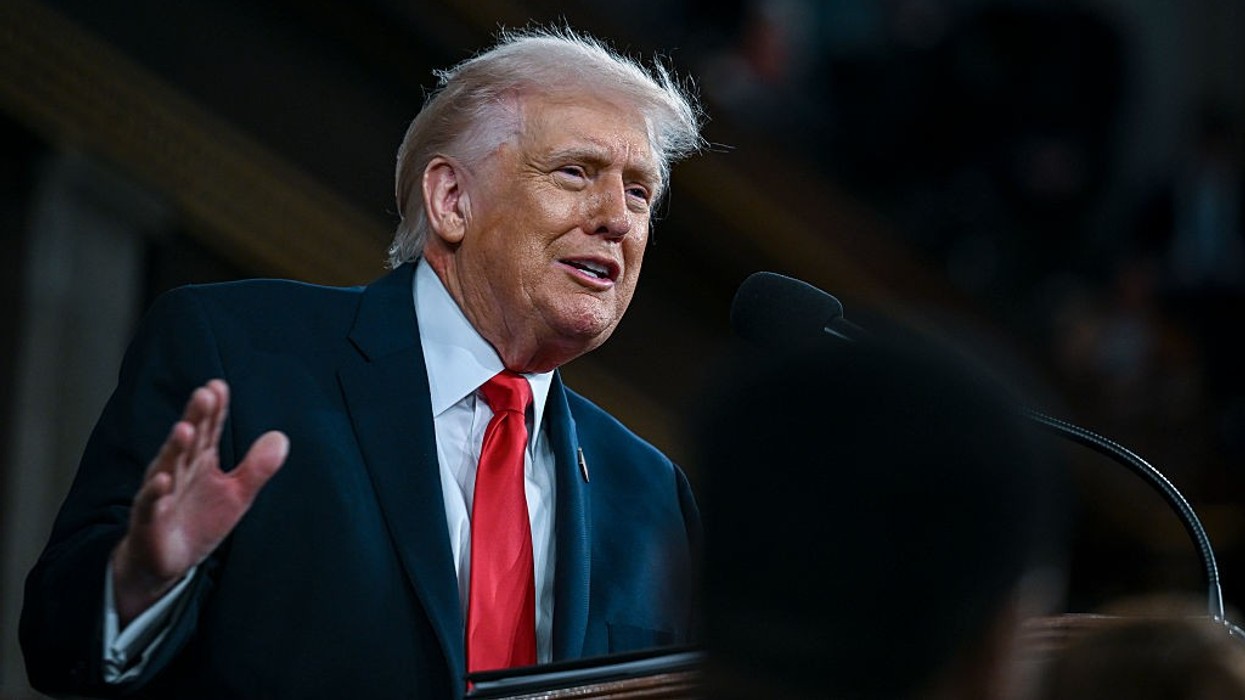
Speaking to reporters aboard Air Force One on Sunday (11), Trump suggested Iran may be approaching a red line he previously set regarding the killing of protestors. “They’re starting to, it looks like,” he said when asked whether Iran had crossed that threshold. “We’re looking at it very seriously. The military is looking at it, and we’re looking at some very strong options.”
Despite escalating rhetoric, Trump also claimed that Iran has reached out to propose negotiations. “I think they’re tired of being beaten up by the United States,” he said. “Iran wants to negotiate.” The president did not provide details on when or how such contact may have occurred.
According to the US-based Human Rights Activists News Agency, at least 538 people have been killed during the unrest, including 490 protesters, with more than 10,600 arrests reported. Another monitoring group, Iran Human Rights, based in Norway, put the confirmed death toll at 192 protesters. Both organizations cautioned that the figures are likely undercounts due to severe restrictions on information coming out of Iran.
Iranian authorities have not released official casualty figures, and independent verification has been nearly impossible since the government imposed a nationwide internet blackout. Rights groups say the shutdown has enabled security forces to expand their use of lethal force, including live ammunition, against demonstrators.
Trump has repeatedly said the United States would “rescue” protesters if the Iranian government continued killing civilians. On Saturday night (10), he reinforced that stance in a post on Truth Social, declaring that Iran was “looking at FREEDOM, perhaps like never before,” and that the US stood “ready to help.”
Iranian officials responded with warnings of retaliation. Mohammad Baqer Qalibaf, the speaker of Iran’s parliament and a former commander in the Revolutionary Guards, cautioned Washington against what he called a “miscalculation.” He said any attack on Iran would make U.S. bases, ships, and Israeli territory “legitimate targets.”
Reports indicate the White House is considering a broad range of responses, including limited military strikes, covert cyber operations, expanded sanctions, and technical assistance to help protesters regain internet access.
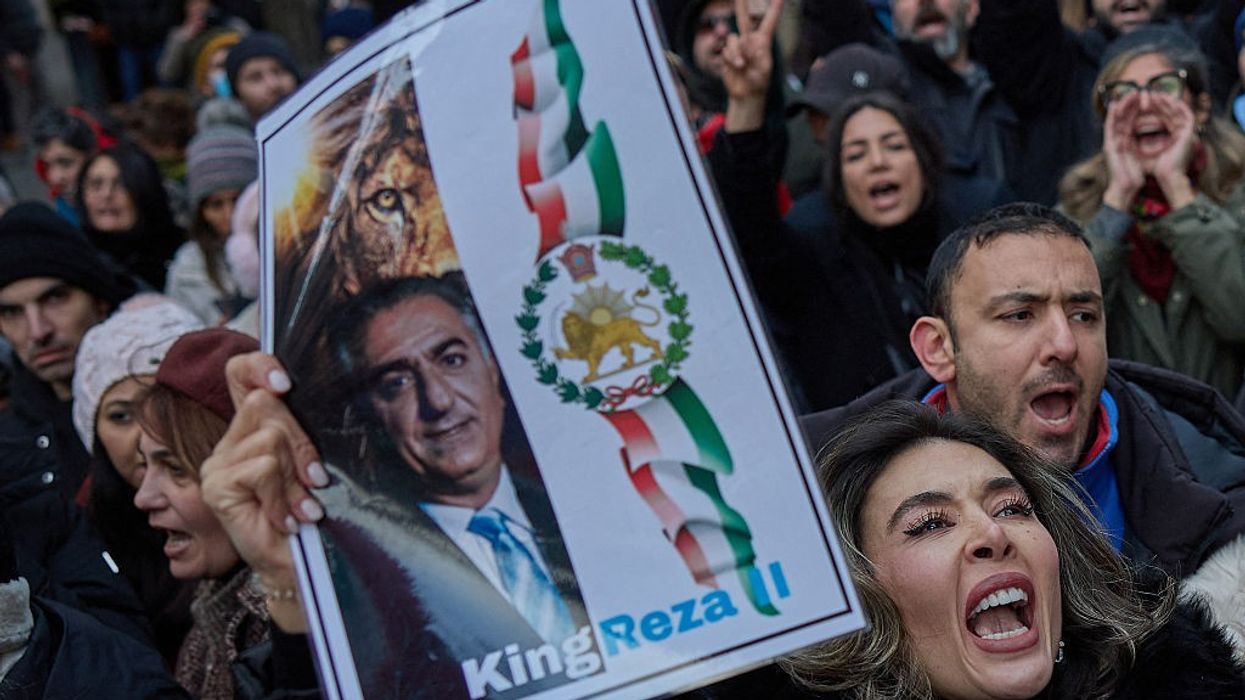
Meanwhile, Reza Pahlavi, the US-based son of Iran’s last shah, urged members of Iran’s security forces and government institutions to side with protesters. Iran’s president, Masoud Pezeshkian, rejected claims of domestic discontent, accusing foreign enemies of fueling the unrest and calling for a state-organized march to denounce the violence.
The protests, initially sparked by a sharp currency collapse, have evolved into broader demands for political reform and the removal of Iran’s leadership. Security forces have arrested key protest organizers, and officials have warned that demonstrators could face charges carrying the death penalty.
As tensions escalate, the risk of a wider regional confrontation continues to grow.