
- Trump joked about Pearl Harbor while discussing a surprise US strike on Iran
- The remark is widely seen as diplomatically inappropriate
- Sanae Takaichi did not respond directly, maintaining composure
- Experts called the comment “unusual” and potentially damaging
- The moment contrasts sharply with past reconciliation efforts between the US and Japan
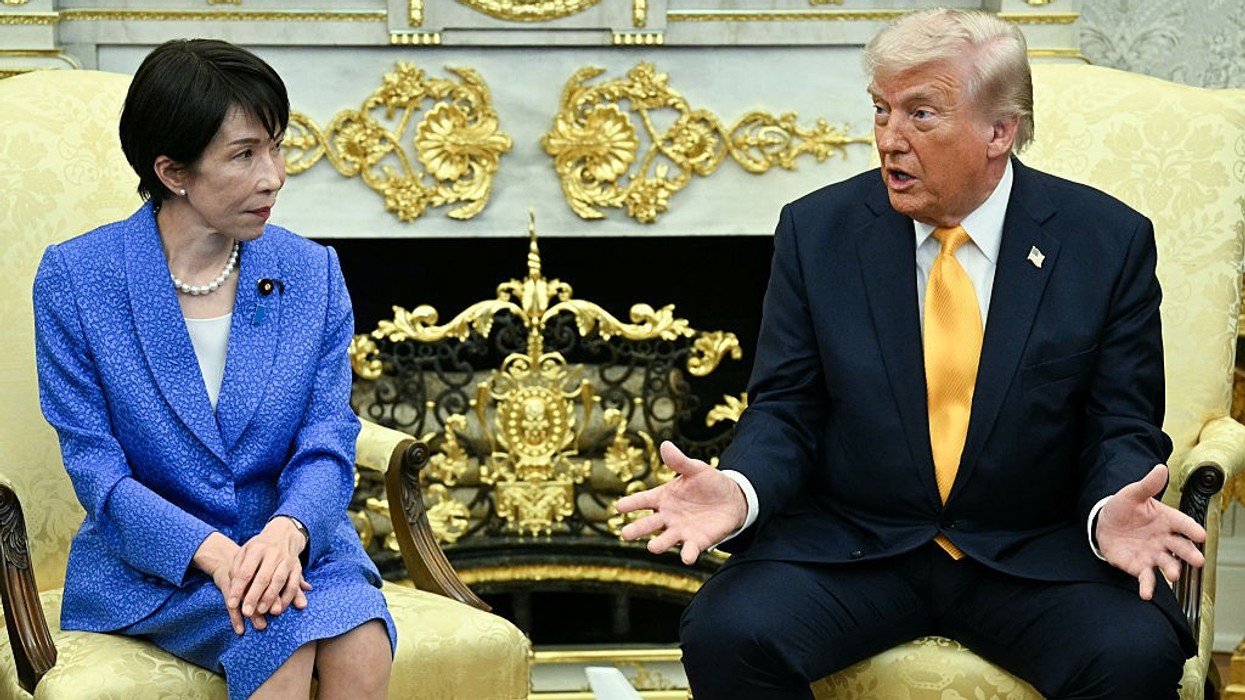
President Donald Trump is facing criticism after making a controversial remark referencing Japan’s 1941 attack on Pearl Harbor during a high-level meeting with Japanese Prime Minister Sanae Takaichi at the White House.
The comment came in response to a question from a Japanese journalist about why the United States did not inform allies in advance about a recent military strike on Iran. Trump defended the decision by emphasizing the importance of secrecy in military operations, stating, “We didn’t tell anybody about it because we wanted surprise.”
He then added, “Who knows better about surprise than Japan, OK? Why didn’t you tell me about Pearl Harbor?”—a remark that quickly drew attention for invoking one of the most sensitive historical episodes between the two nations.
The Pearl Harbor attack, carried out by Japan in December 1941, killed over 2,300 Americans and led directly to the United States’ entry into World War II. Given its historical weight, US presidents have traditionally avoided referencing the event in ways that could strain diplomatic ties with Japan, now one of America’s closest allies.
Observers noted that Trump’s tone appeared joking, and some attendees reportedly laughed. However, Takaichi’s reaction was more reserved. She appeared momentarily taken aback, widening her eyes and pausing, but ultimately chose not to respond publicly to the remark, instead maintaining a composed and diplomatic demeanor throughout the meeting.
The incident has been described by analysts as a diplomatic misstep. Mireya Solís of the Brookings Institution called the comment “unusual” and “a shock,” emphasizing that such meetings are typically intended to reinforce shared values and strategic alignment rather than revisit painful historical conflicts.
The episode stands in stark contrast to earlier efforts at reconciliation, such as the 2016 visit to Pearl Harbor by former US President Barack Obama and then–Japanese Prime Minister Shinzo Abe. That visit symbolized mutual respect and a forward-looking partnership, avoiding inflammatory references to the past.
Despite the awkward moment, Takaichi appeared determined to keep the meeting positive. Earlier in the talks, she expressed strong support for Trump’s leadership, stating her belief that he could help achieve global peace.
The controversy highlights the delicate balance required in international diplomacy, where historical memory, national pride, and political messaging often intersect. While US–Japan relations remain strong, moments like this underscore how easily rhetoric can disrupt carefully maintained alliances.