
Highlights:
- Agriculture and dairy sectors remain fully protected in the India-US trade deal
- US cuts tariffs on Indian goods from 25 per cent to 18 per cent
- New export opportunities for textiles, apparel, gems, leather, and machinery
- India gains access to advanced US technology and innovation products
- Joint India-US statement on the deal expected soon
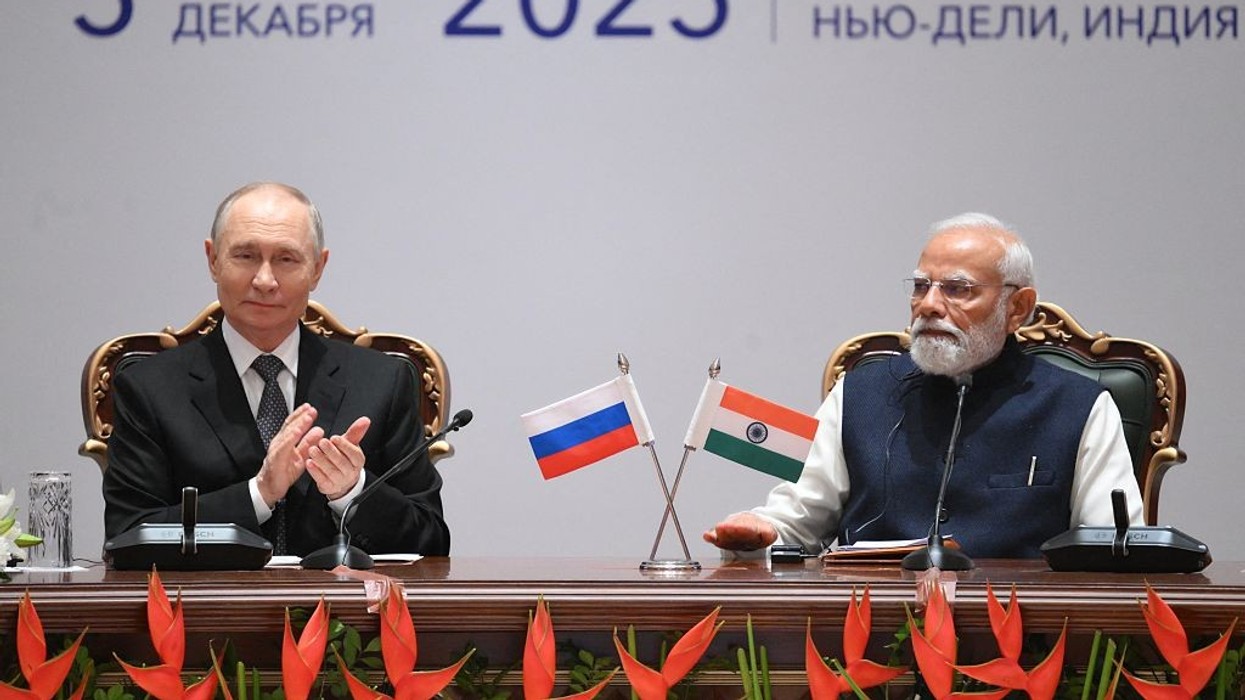
India has secured strong safeguards for its sensitive agriculture and dairy sectors in its newly announced trade agreement with the United States, Commerce and Industry Minister Piyush Goyal said on Tuesday (3), describing the pact as a 'very good' deal for the country.
Speaking to reporters, Goyal emphasized that India’s long-standing position of protecting farm-linked sectors has been fully respected in the agreement. “The deal will protect the sensitive sectors, the interests of our agriculture and our dairy sectors in full respect,” he said, adding that Indian prime minister Narendra Modi has consistently prioritized the welfare of farmers and dairy producers.
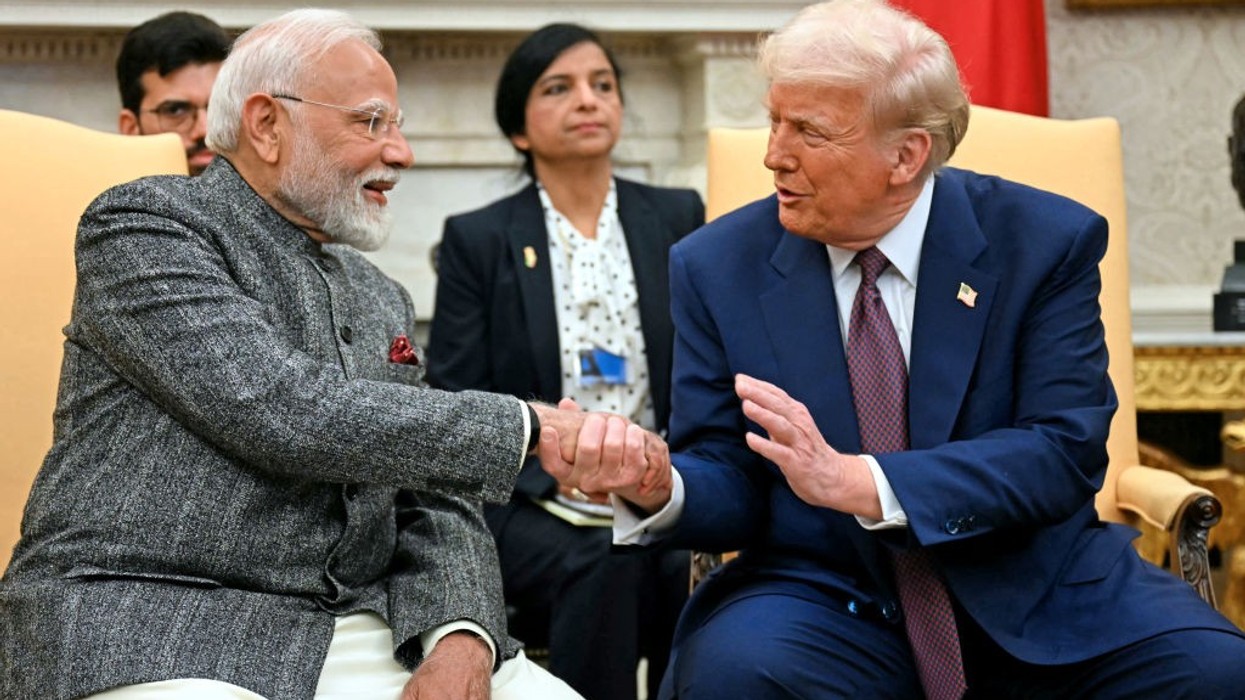
The comments come a day after president Donald Trump announced that Washington would reduce tariffs on Indian goods from 25 per cent to 18 per cent following an agreement between the two countries. Goyal said the trade deal is in its final stages and that a joint statement outlining its detailed framework will be issued by both governments within the next few days.
According to the commerce minister, the agreement is expected to create significant opportunities for India’s labor-intensive export industries. Sectors such as textiles, plastics, apparel, home décor, leather and footwear, gems and jewelry, organic chemicals, rubber goods, machinery, and aircraft components are likely to benefit from improved market access. Import duties in the U.S. on many of these products are expected to fall sharply, in some cases from as high as 50 per cent to 18 per cent.
At the same time, India has continued its practice of keeping highly sensitive agricultural areas outside the scope of trade concessions. Products such as dairy, rice, wheat, cereals, meat, poultry, genetically modified foods, soymeal, and maize remain protected, consistent with India’s approach in previous trade agreements.
Goyal’s remarks followed statements by secretary of agriculture Brooke Rollins, who suggested that American farm products would gain fresh access to India’s large consumer market under the deal. Rollins described the agreement as a win for US farmers, saying it would boost exports, raise prices, and support rural incomes in the United States.
Indian officials, however, stressed that any duty concessions offered by India would broadly mirror the structure used in other free trade agreements. Duties may be eliminated immediately in some areas, phased out over time in others, reduced selectively, or managed through quota-based concessions.
The deal is also expected to support India’s growing demand for advanced technology. Goyal said India’s fast-expanding economy requires large volumes of ICT products, data center equipment, high-end technology, innovation-driven goods, and critical raw materials. The agreement, he noted, opens the door for India to access “best-in-class, world-class technologies” to support long-term economic growth.
Under the pact, India’s 18 per cent tariff rate will be lower than that of several key Asian competitors, including China, Vietnam, Malaysia, Bangladesh, Thailand, and Cambodia. The US has also agreed to remove a 25 per cent punitive tariff imposed earlier over India’s purchases of Russian oil.
On Trump’s claim that India has committed to buying $500 billion worth of US goods over five years, sources said the figure includes aircraft, energy products, technology, coal, and agricultural items, reflecting India’s expanding import needs across multiple sectors.