
Highlights:
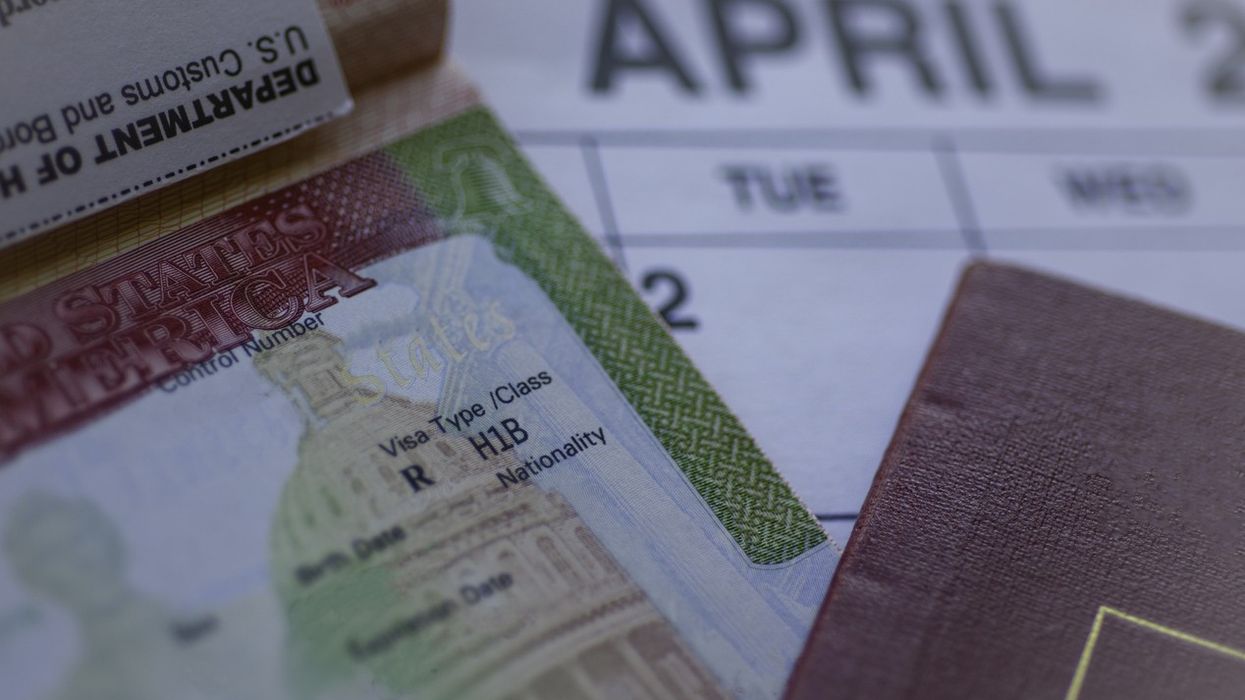
Hundreds of H-1B visa holders who traveled to India this month to renew their US work permits have been left stranded after American consulates abruptly postponed their visa interviews to next year, according to immigration lawyers and affected workers.
The appointments, originally scheduled between December 15 and December 26, were rescheduled to as late as March 2026, a move US officials attributed to the rollout of a new social media vetting policy. The delays coincided with the US holiday season, compounding travel and employment disruptions.
In emails sent to applicants, the US State Department said the postponements were necessary to allow for enhanced screening designed to ensure that visa applicants do not pose risks to US national security or public safety.
The new policy expands mandatory social media reviews, previously applied mainly to students and exchange visitors, to include H-1B workers and their dependents.
Immigration attorneys say the situation has quickly escalated. Several major law firms report having hundreds of clients stuck in India with expired appointments and no clear timeline for return. “This is the biggest mess we’ve seen in years,” said one immigration lawyer, noting that many companies are struggling to determine how long they can hold jobs open for affected employees.
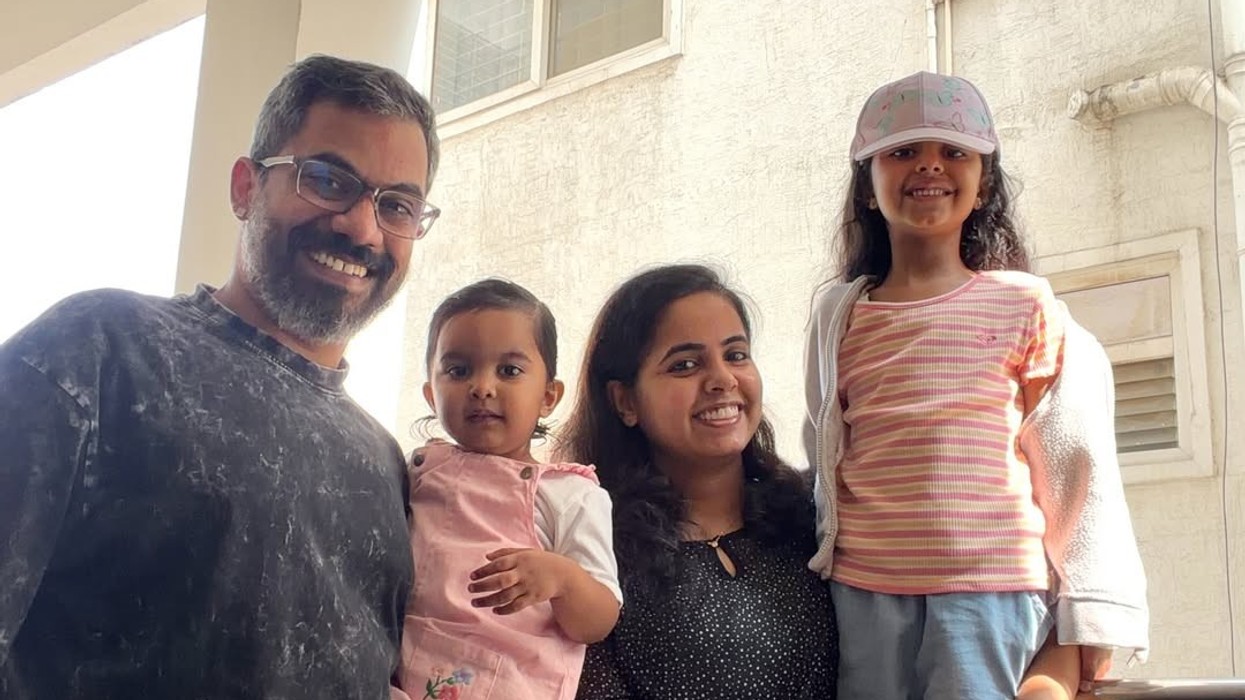
One worker from the Detroit area, who traveled to India for a family wedding, had two consular appointments scheduled in mid-December. Both have since expired, leaving him unable to re-enter the United States and resume work.
The U.S. Embassy in India issued an advisory on December 9, warning applicants not to appear on their original interview dates if they had received rescheduling notices. Applicants who do so, the embassy said, will be denied entry to consular facilities.
The delays have prompted concern among major U.S. technology firms. Google and Apple have warned certain employees not to travel internationally after learning that visa reentry processing could now take several months, or up to a year, according to internal memos cited by Business Insider. Google’s external immigration counsel cautioned that overseas travel could result in extended stays outside the US.
India is disproportionately affected. A US Citizenship and Immigration Services report shows that Indian nationals account for 71 per cent of all H-1B visa holders, making any systemic disruption particularly impactful for both workers and American employers reliant on skilled labor.
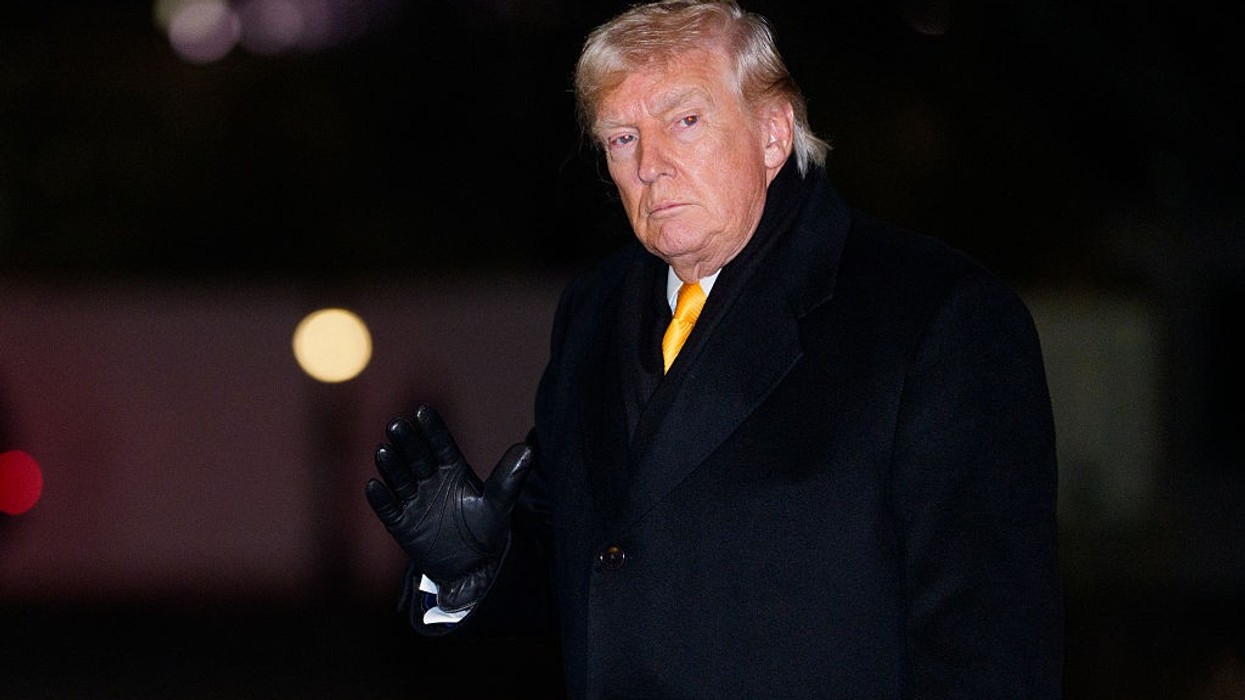
The enhanced screening comes amid broader tightening of US immigration policies under President Donald Trump. In recent months, the administration imposed a one-time $100,000 fee on new H-1B visas and paused several immigration pathways for applicants from designated “countries of concern.”
For now, stranded workers and their employers face weeks, if not months, of uncertainty as they wait for clarity on when normal visa processing will resume.