
Five Key Highlights:
- Senior Iranian security officials sanctioned for directing protest crackdowns
- Fardis Prison designated over alleged abuse of detainees
- Major Iranian banks accused of running “shadow banking” networks
- Front companies in the UAE and Singapore targeted for laundering oil revenues
- Washington signals renewed “maximum economic pressure” on Tehran
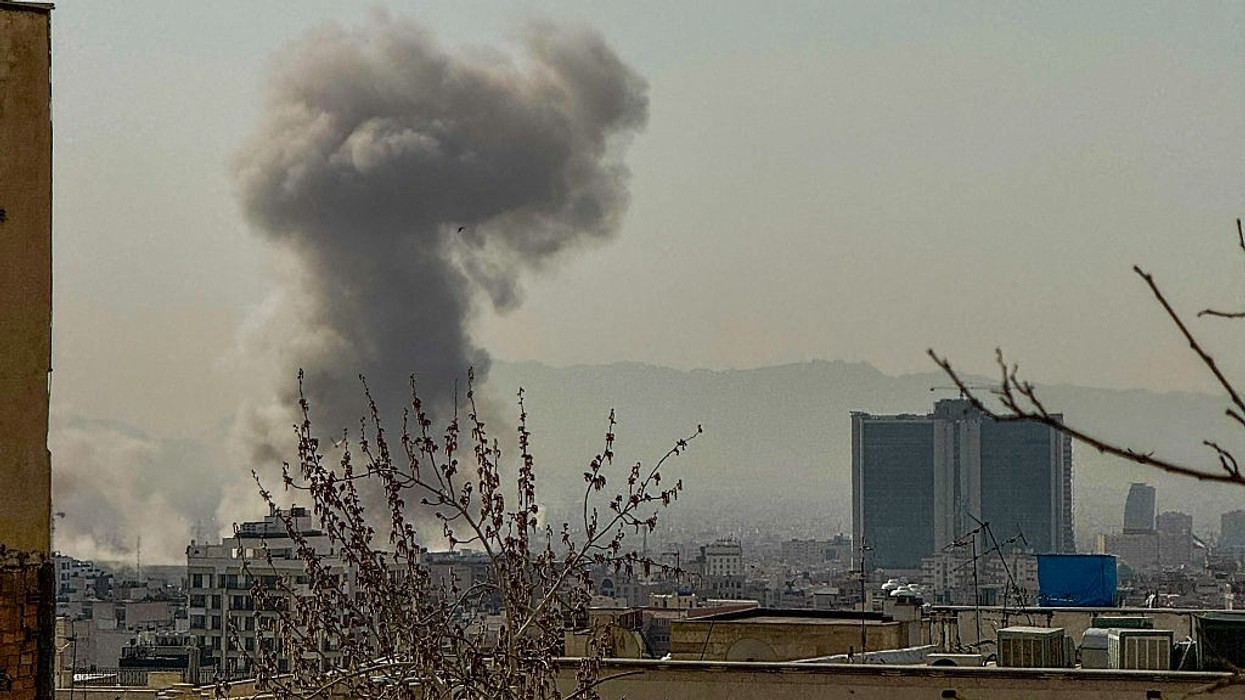
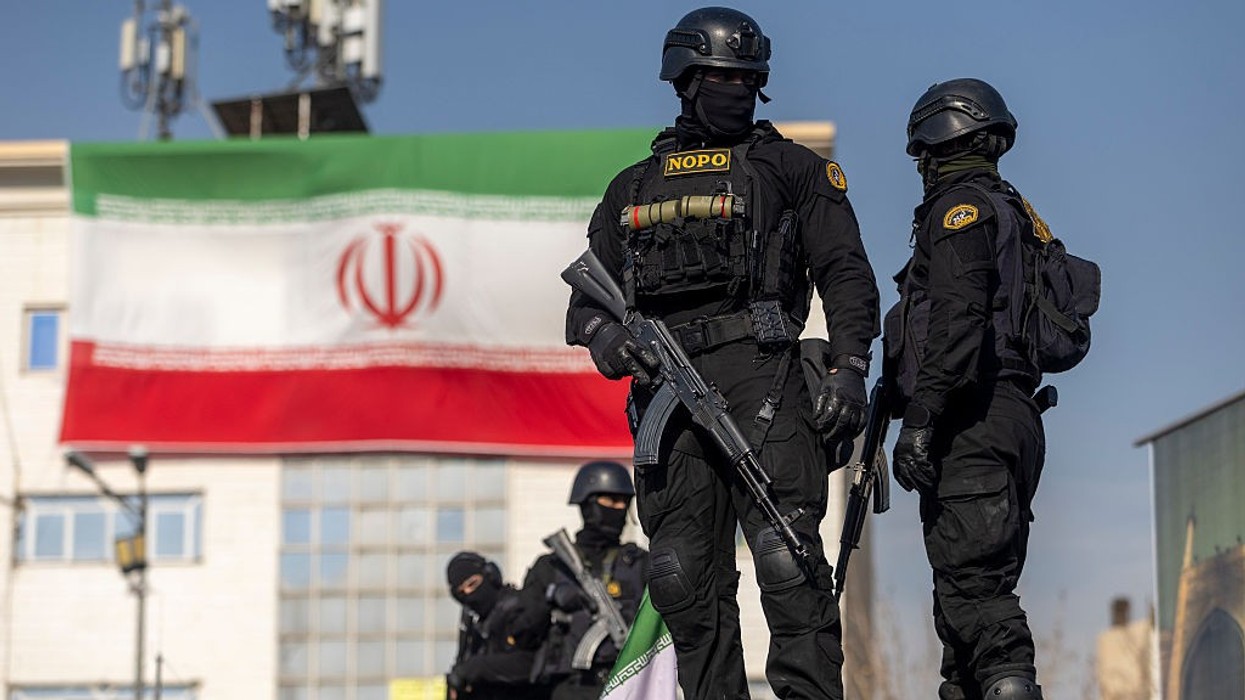
The United States has unveiled a far-reaching new package of sanctions against Iran, intensifying economic and diplomatic pressure in response to the regime’s violent suppression of ongoing protests across the country. The measures target senior security officials, a notorious detention facility, and an extensive financial network accused of laundering billions of dollars to sustain government repression.
The coordinated action, announced jointly by the State Department and the Treasury Department’s Office of Foreign Assets Control (OFAC), is aimed at what US officials describe as the key architects of Iran’s crackdown on peaceful demonstrators and the financial systems that enable it. Officials said the sanctions are designed to cut off the regime’s access to global banking channels while signaling US support for the Iranian public.
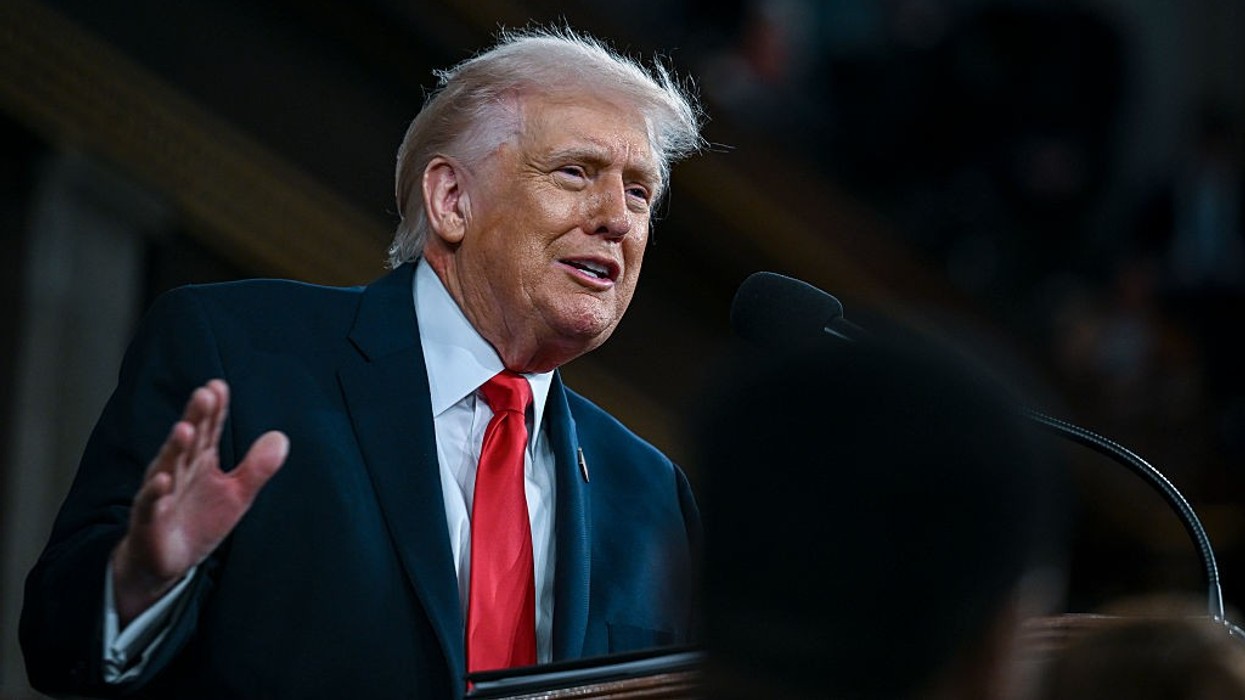
Treasury Secretary Scott Bessent said the sanctions were imposed at the direction of president Donald Trump and reflect Washington’s commitment to holding Iran’s leadership accountable for human rights abuses. He emphasized that the Treasury would continue using every available tool to target those responsible for what he called the regime’s “tyrannical oppression.”
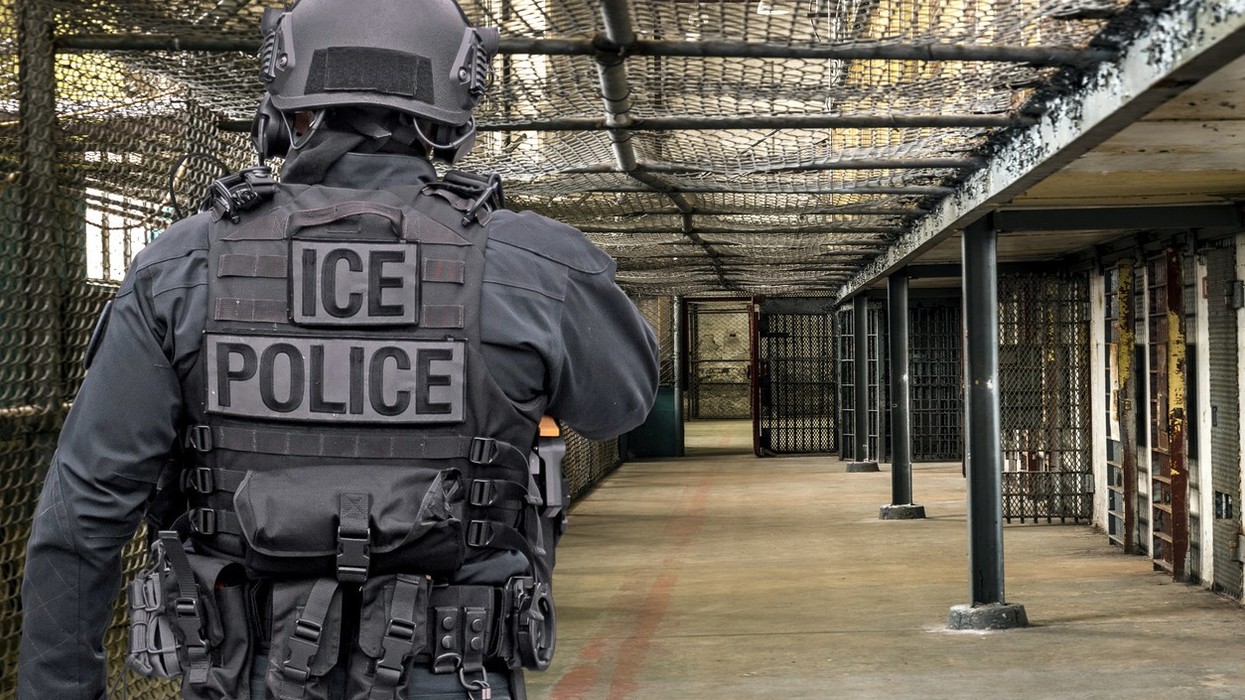
A central element of the announcement is the designation of Fardis Prison, which US officials accuse of subjecting detainees, particularly women, to cruel, inhuman, and degrading treatment. The designation freezes any assets linked to the prison under US jurisdiction and prohibits Americans from engaging in transactions involving it.
OFAC also sanctioned several senior Iranian security figures accused of directing or overseeing the use of force against protesters. Among them is Ali Larijani, secretary of Iran’s Supreme Council for National Security, whom US officials say played a key role in coordinating the response to protests that erupted in December 2025. Treasury officials noted that Larijani was among the earliest senior leaders to publicly advocate using force against demonstrators.
Additional sanctions were imposed on provincial commanders in Lorestan and Fars provinces, where security forces are accused of killing protesters and using intimidation tactics against victims’ families. According to US officials, some families were pressured into giving false statements on state television in exchange for the return of bodies.
Beyond individuals, the sanctions strike at Iran’s financial infrastructure. OFAC designated 18 individuals and entities linked to what it calls Iran’s “shadow banking” networks, systems of front companies and exchange houses used to bypass existing sanctions and move money internationally.
Two state-linked banks, Bank Melli and Shahr Bank, were identified as central hubs in these operations. Treasury officials allege that Bank Melli has processed billions of dollars in transactions since 2024 for entities including the National Iranian Oil Company, the Islamic Revolutionary Guard Corps, and the Central Bank of Iran, often using falsified invoices and complex international transfers.
Shahr Bank is accused of running a similar network through front companies in the UAE, Iran, and Europe to facilitate payments for Iranian oil shipments to Asia.
Under US law, the sanctions freeze assets under US jurisdiction and bar Americans from doing business with the designated parties. Foreign firms that continue dealing with them could also face penalties.
State Department spokesman Tommy Pigott said the measures are meant to deny Tehran access to global financial networks as long as it continues to repress its population. While US officials say the goal is to change behavior rather than impose punishment alone, the sweeping action underscores Washington’s readiness to escalate pressure as unrest continues in Iran.