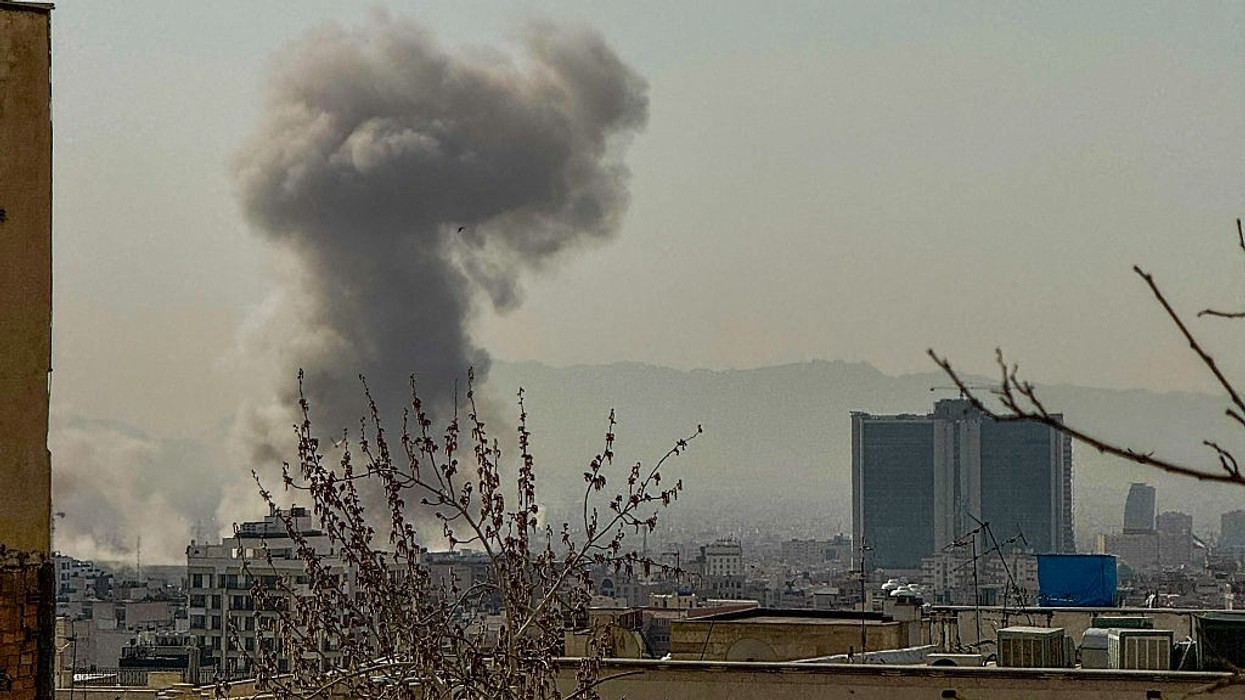

- Modi visited Jerusalem days before Israel and the US struck Iran.
- The visit focused on stronger India-Israel ties.
- India has long balanced relations with Israel and Palestine.
- A historic Indian-linked shrine in Jerusalem was not included in the visit.
- The new conflict may test India’s diplomatic strategy in West Asia.
Prime Minister Narendra Modi’s recent visit to Jerusalem has taken on new meaning after Israel and the United States launched strikes on Iran. What was meant to deepen India’s partnership with Israel is now being seen by some as a turning point in India’s approach to West Asia.
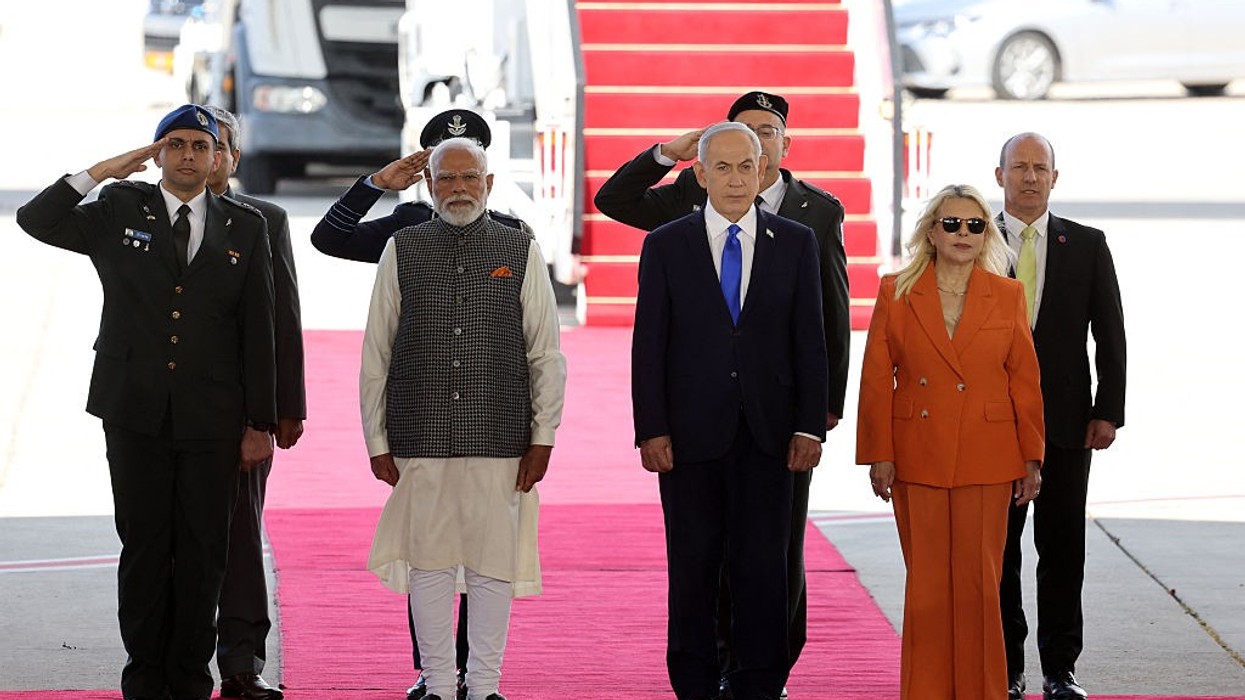
During his trip, Modi met Israeli prime minister Benjamin Netanyahu and addressed the Israeli Knesset. The visit highlighted growing cooperation between India and Israel in areas such as defense, technology, and trade. However, just days later, Israel and the US carried out military strikes on Iran, increasing tensions across the region.
For many observers, this timing raises questions about how India will manage its relationships in West Asia. India has long followed a careful balancing policy. It maintains strong ties with Israel while also supporting Palestinian rights and maintaining relations with Iran and Arab nations.
One symbolic moment during the visit stood out. As Modi spoke in the Knesset on Wednesday (25), the evening call to prayer marked Iftar at the Al-Aqsa Mosque in Jerusalem’s Old City. In a nearby neighborhood, the Ansari family gathered under the Indian tricolor flag at Zawiya al-Hindiya, a historic shrine linked to India’s spiritual past.
Zawiya al-Hindiya, located near Herod Gate in East Jerusalem, is connected to the 12th-13th century Sufi saint Baba Farid. According to tradition, Baba Farid spent 40 days there in spiritual retreat before returning to the Indian subcontinent. His grave is in Pakpattan, now in Pakistan’s Punjab province.
Since India established full diplomatic relations with Israel in 1995, many Indian leaders visiting the region have included a stop at this shrine. Former External Affairs Minister Pranab Mukherjee visited it in 1995. Current External Affairs Minister S. Jaishankar has also visited multiple times. The shrine is often described in diplomatic circles as an “Indian jewel” in Jerusalem and a symbol of India’s shared history with the region.
However, during this latest visit, Modi did not include the shrine in his public schedule. For some critics, this absence symbolized a shift away from India’s traditional emphasis on pluralism and solidarity with the Palestinian cause.
India’s ties with Israel have grown steadily over the past decade, especially in defense and security cooperation. At the same time, India depends heavily on West Asia for energy supplies and has millions of citizens working in Gulf countries. Iran has also been an important partner, especially for projects like the Chabahar port.
With Israel and the United States now engaged in direct military action against Iran, India’s diplomatic balancing act may become more difficult. The region is entering a new period of uncertainty, and New Delhi will need to carefully manage its interests on all sides.
As tensions rise, Modi’s Jerusalem visit is being viewed not just as a diplomatic event, but as a moment that could shape India’s future role in West Asia.








 https://www.voteratlas.io/
 https://www.voteratlas.io/