
Highlights:
- US airstrikes hit dozens of ISIS targets across central Syria
- Operation followed a deadly attack on US troops near Palmyra
- Defense Secretary called the strikes an act of “vengeance,” not war
- About 1,000 US troops remain deployed in Syria
- Syria’s new government continues cooperation with the US-led coalition
The United States launched extensive airstrikes against Islamic State targets in Syria on Friday (19), escalating military pressure on the extremist group following a deadly attack on US personnel last weekend, according to American officials.
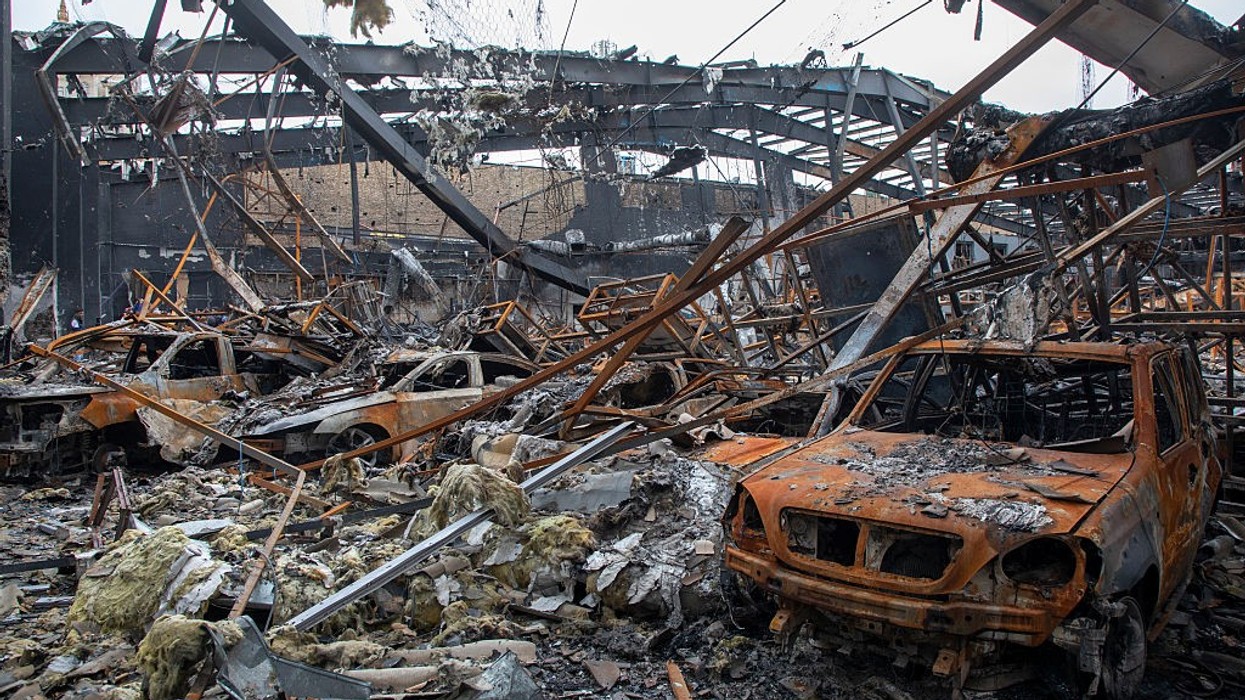
The strikes targeted dozens of ISIS fighters, weapons depots, and infrastructure sites across central Syria, U.S. defense officials said. The operation, confirmed by Defense Secretary Pete Hegseth, was named “Operation Hawkeye Strike” and was framed as a direct response to the killing of US troops.
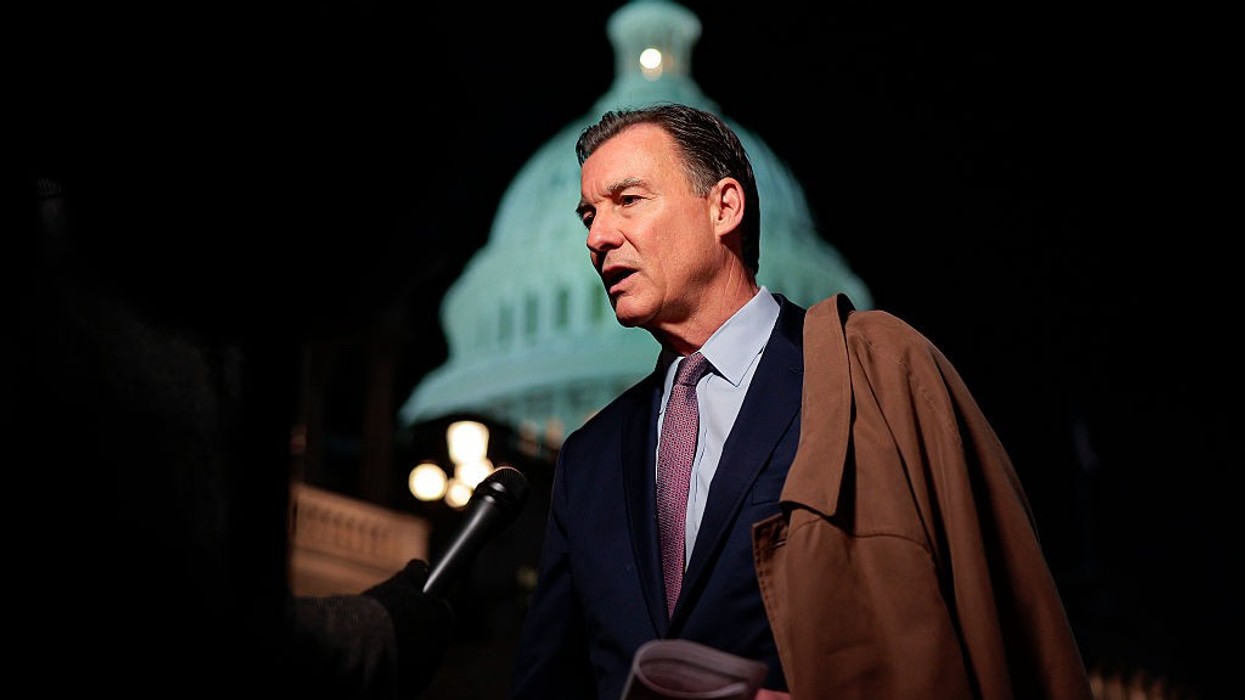
“This is not the beginning of a war; it is a declaration of vengeance,” Hegseth said in a statement. “Today, we hunted, and we killed our enemies. And we will continue.”
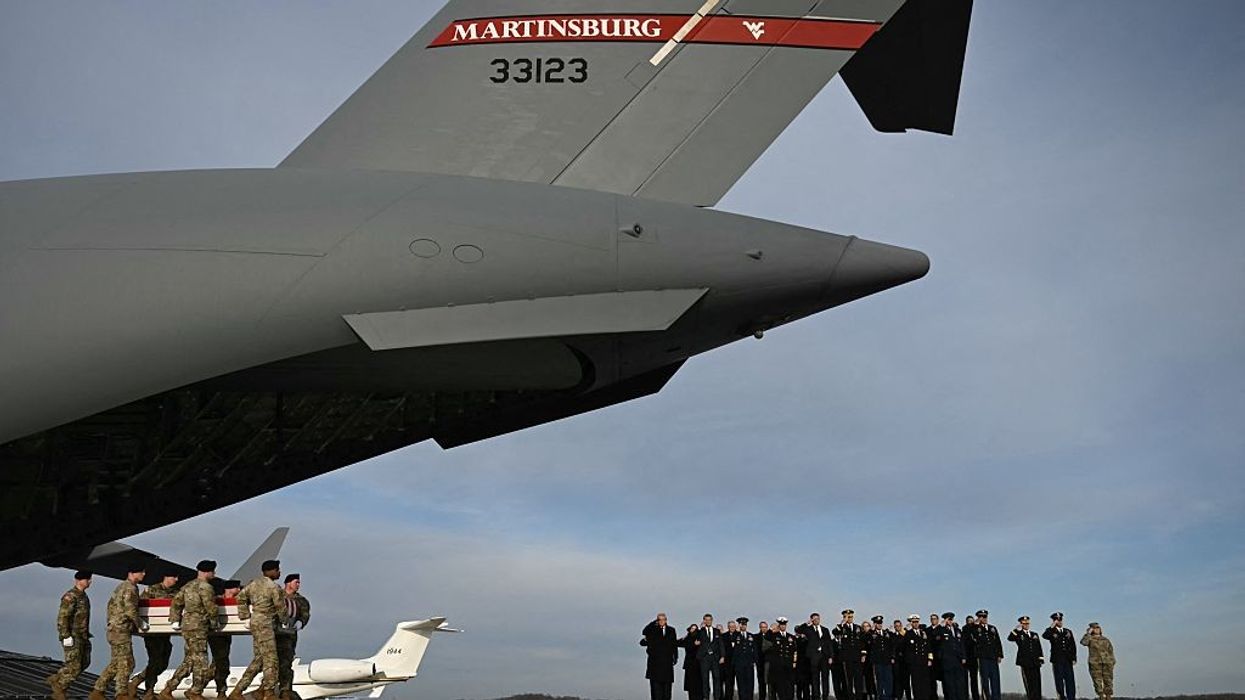
President Donald Trump had publicly vowed retaliation after the weekend attack, which occurred near the ancient city of Palmyra. According to the US military, an attacker targeted a convoy of American and allied Syrian forces, killing two US Army soldiers and a civilian interpreter. Three additional US soldiers were wounded before the assailant was shot and killed.
Two U.S. officials, speaking on condition of anonymity, said the airstrikes struck ISIS positions across a wide swath of central Syria, signaling a significant escalation in response compared with recent, more limited operations.
The Syrian Interior Ministry described the attacker as a member of Syria’s security forces who was suspected of sympathizing with the Islamic State, underscoring lingering security challenges even as ISIS has lost most of its territorial control.
The U.S.-led coalition has continued airstrikes and ground raids against ISIS remnants in Syria over recent months, often working alongside Syrian security forces. American officials say the group remains capable of launching deadly attacks despite years of sustained military pressure.
Approximately 1,000 U.S. troops remain deployed in Syria, primarily tasked with counterterrorism operations and advising partner forces. Their presence has long been contentious but is justified by U.S. officials as necessary to prevent an ISIS resurgence.
Syria’s political landscape has shifted dramatically in the past year. The current government is led by former rebel factions that overthrew longtime leader Bashar al-Assad after a 13-year civil war. The ruling coalition includes figures once associated with Syria’s former Al Qaeda affiliate, who later broke with the group and fought Islamic State forces.
Despite its complex history, Syria’s new leadership has increased cooperation with the United States and its allies against ISIS. That coordination was formalized last month during a visit to the White House by Syrian President Ahmed al-Sharaa, resulting in renewed agreements on counterterrorism collaboration.
Friday’s strikes highlight Washington’s message that attacks on US personnel will be met with swift and overwhelming force. While officials insist the operation does not signal a broader war, it reinforces the continued volatility of Syria and the enduring threat posed by Islamic State militants in the region.