
- The US has announced a 25 per cent tariff on countries that continue trading with Iran
- India is among Iran’s top five trading partners
- Indian exports to the US could face combined tariffs of up to 75 per cent
- Key Indian exports to Iran include basmati rice, tea, sugar, and pharmaceuticals
- India imports methanol, dates, saffron, and petrochemical products from Iran
The United States’ latest move to impose a 25 per cent tariff on countries that continue doing business with Iran has placed India in a difficult economic and diplomatic position. Announced by president Donald Trump, the measure is aimed at intensifying pressure on Tehran amid escalating political unrest and is described by the administration as final and non-negotiable.
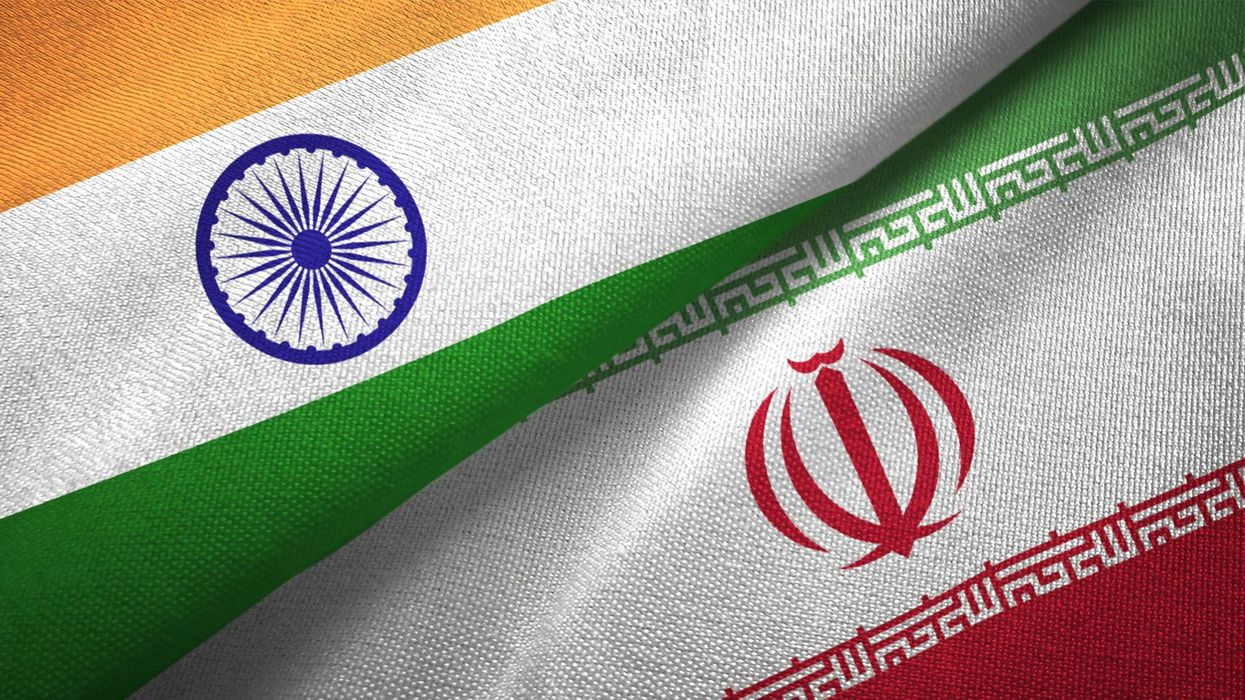
India, one of Iran’s major trading partners, could be among the countries most affected by this decision. The tariff applies broadly to any nation maintaining commercial ties with Iran, regardless of the nature of the goods involved. For India, this raises concerns not only about its bilateral trade with Iran but also about its broader trade relationship with the United States.
The situation is further complicated by existing US trade actions against India. Washington has already imposed a 25 per cent reciprocal tariff on Indian goods and an additional 25 per cent duty linked to India’s continued purchases of Russian crude oil. If the newly announced Iran-related tariffs are added, certain Indian exports to the US could effectively face cumulative duties of up to 75 per cent, significantly reducing their competitiveness in the American market.
India has consistently ranked among Iran’s top five trading partners, despite years of international sanctions. According to figures from the Indian Embassy in Tehran, bilateral trade between the two countries during 2024–25 stood at approximately $1.68 billion. Of this, Indian exports accounted for about $1.24 billion, while imports from Iran were valued at roughly $440 million.
India’s exports to Iran are diverse and span both agricultural and industrial sectors. Major export items include organic chemicals, basmati rice, tea, sugar, pharmaceuticals, fruits, pulses, and meat products. India also ships bananas, seasonal fruits, spices, fertilizers, textiles, rubber products, iron and steel, and agricultural and industrial machinery to Iran. These exports support thousands of Indian farmers, manufacturers, and small businesses.
On the import side, India relies on Iran for several critical and niche products. Key imports include methanol, petroleum bitumen, liquid propane, apples, dates, and various chemicals. Iran is also an important supplier of saffron, almonds, pistachios, and other dry fruits. For industrial use, India imports acyclic alcohols and petroleum coke. Crude oil imports from Iran, once substantial, have fluctuated sharply over the years due to US sanctions.
If the proposed US tariffs are enforced, Indian exporters and importers could face higher costs, disrupted supply chains, and reduced access to global markets. Beyond economics, the move may also test India’s ability to balance its strategic autonomy with growing pressure from Washington, forcing New Delhi to reassess its trade priorities amid an increasingly complex global landscape.