
Highlights:
- Supreme Court to decide constitutional scope of birthright citizenship
- Case stems from Trump’s executive order ending citizenship for children of undocumented or temporary-visa parents
- Lower courts blocked the order; Supreme Court now steps in
- ACLU argues only Congress or a constitutional amendment can change the 14th Amendment
- Ruling may significantly affect U.S. immigration policy and millions of families
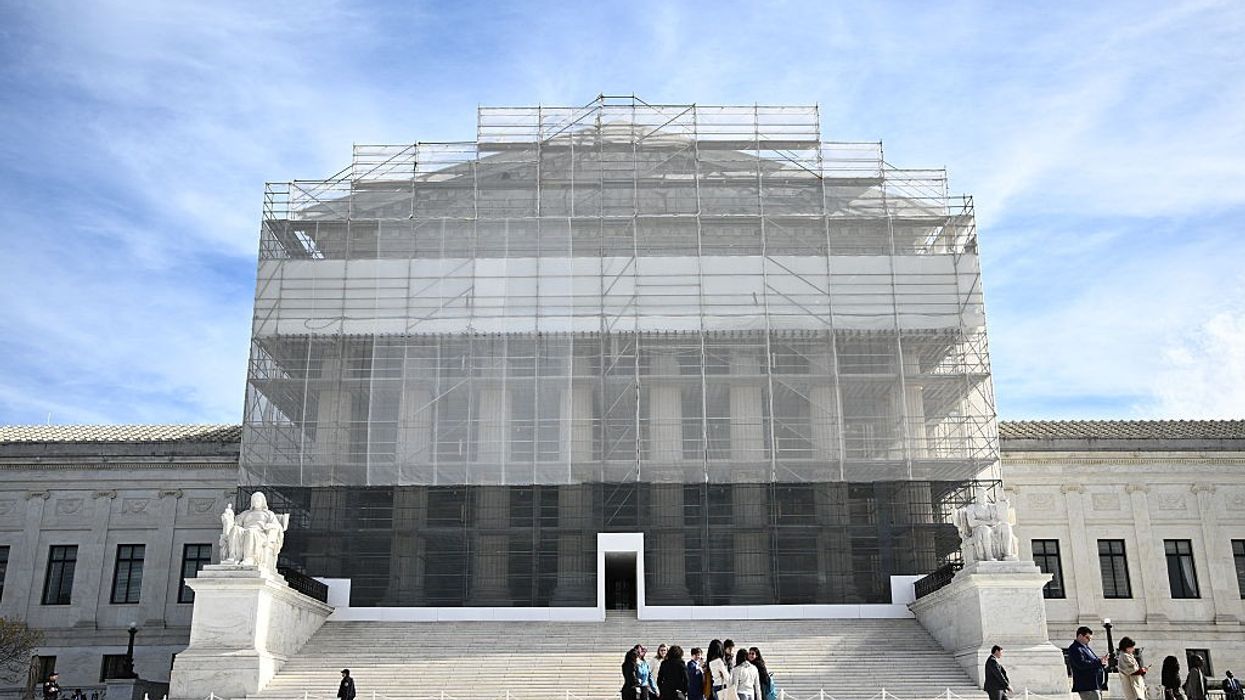
The US Supreme Court has agreed to hear a major case that could redefine who is entitled to American citizenship. The case centers on whether children born in the United States to parents who are in the country illegally or on temporary visas are guaranteed citizenship under the 14th Amendment.
On his first day back in office this January, President Donald Trump signed an executive order seeking to end birthright citizenship for such children. Multiple federal courts quickly blocked the order, ruling it unconstitutional. Although the Supreme Court later determined that those injunctions exceeded judicial authority, it did not rule on the core issue. Now, the justices will address that question directly. Arguments have not yet been scheduled, and a decision is expected months from now.
For nearly 160 years, the 14th Amendment has been understood to grant citizenship to nearly all children born on U.S. soil, except for those born to diplomats or foreign military personnel. The key phrase—“subject to the jurisdiction thereof”—is at the heart of the dispute. The Trump administration argues that this clause excludes children whose parents lack lawful or permanent status. Administration officials say the amendment was designed to secure citizenship for formerly enslaved people, not the children of temporary visitors or undocumented immigrants.
Civil rights advocates strongly disagree. Cecillia Wang, national legal director of the ACLU, which represents families challenging the executive order, says no president has the authority to change the Constitution’s guarantee. For over a century and a half, she notes, birthright citizenship has been settled law and a core American principle.
Roughly 30 countries—mostly in the Americas—offer some form of birthright citizenship, and the U.S. remains one of them. Research from the Pew Research Center shows that about 250,000 babies were born to unauthorized immigrant parents in 2016, down from a peak in 2007. By 2022, roughly 1.2 million U.S. citizens had parents who were in the country without authorization.
A recent study by the Migration Policy Institute and Pennsylvania State University warns that ending birthright citizenship could dramatically expand the undocumented population, adding an estimated 2.7 million people by 2045 and as many as 5.4 million by 2075.
The Supreme Court’s ruling will shape immigration policy for generations—and redefine what it means to be an American citizen.






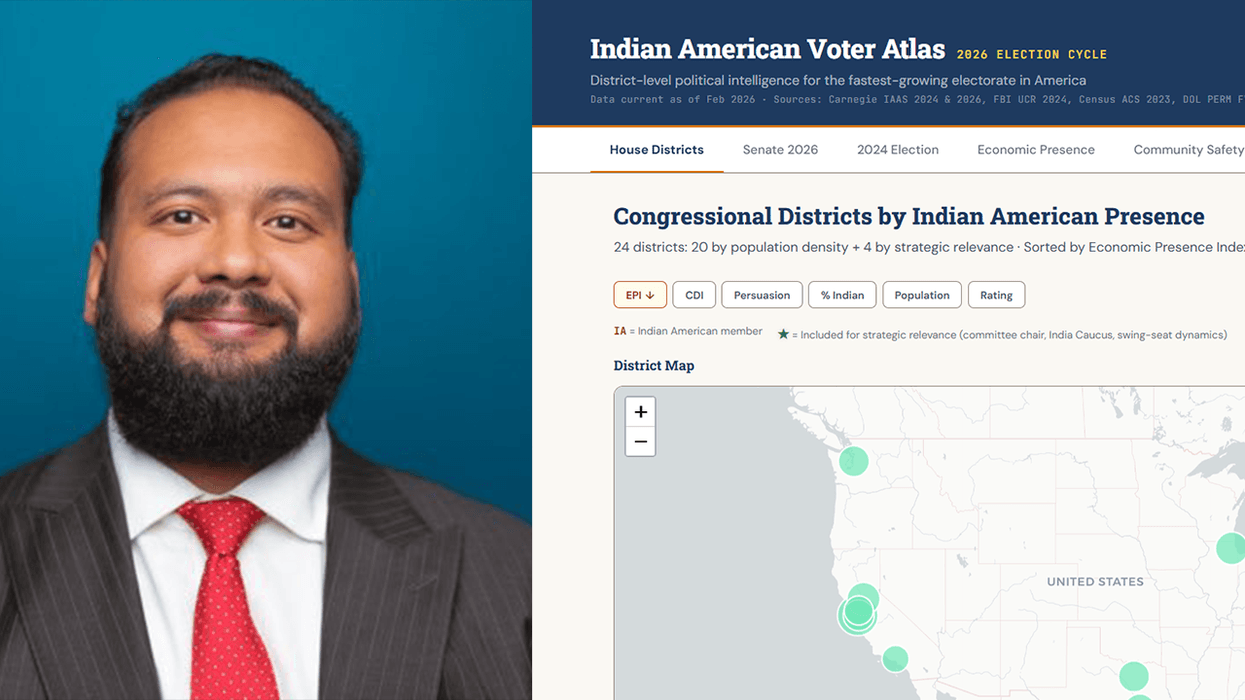
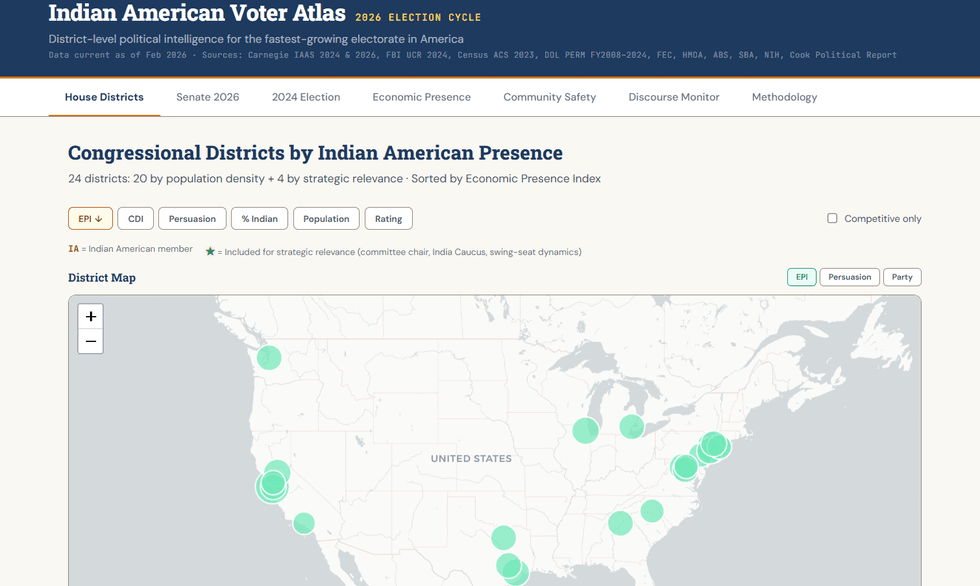 https://www.voteratlas.io/
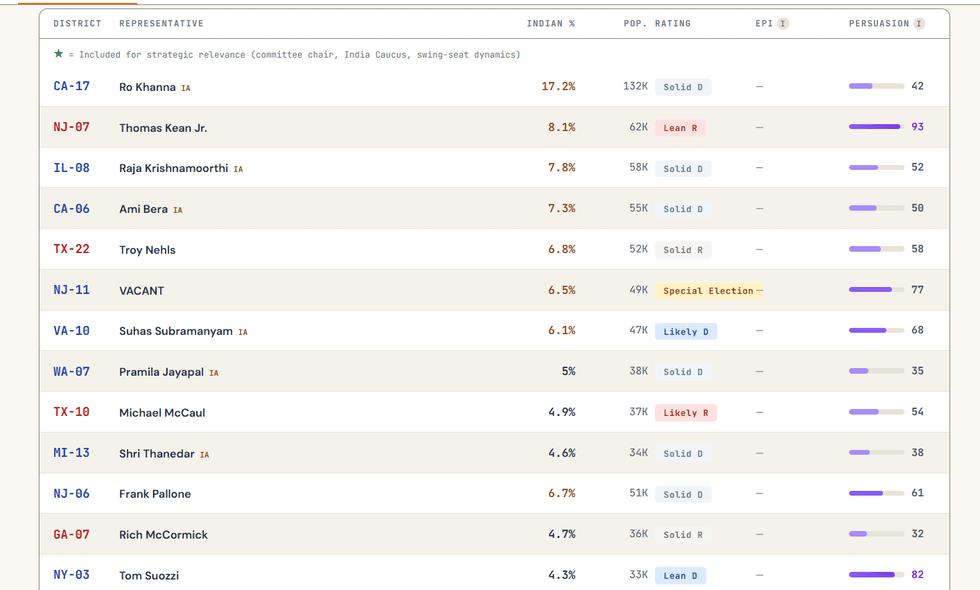 https://www.voteratlas.io/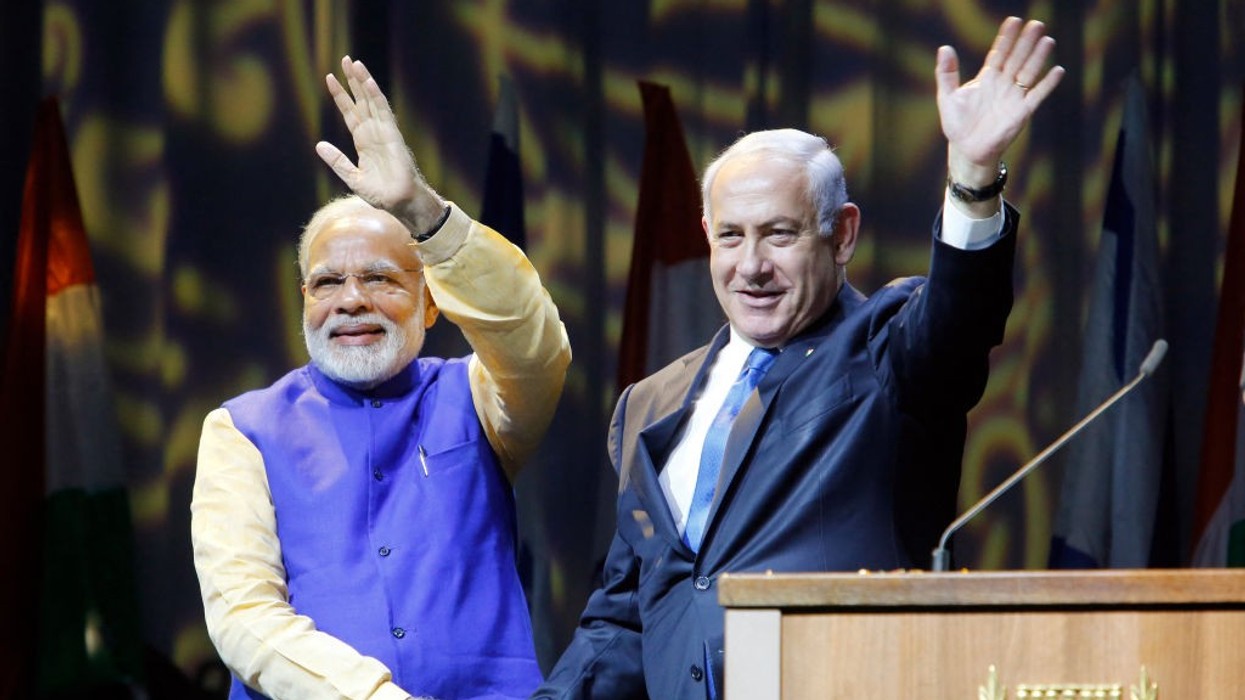
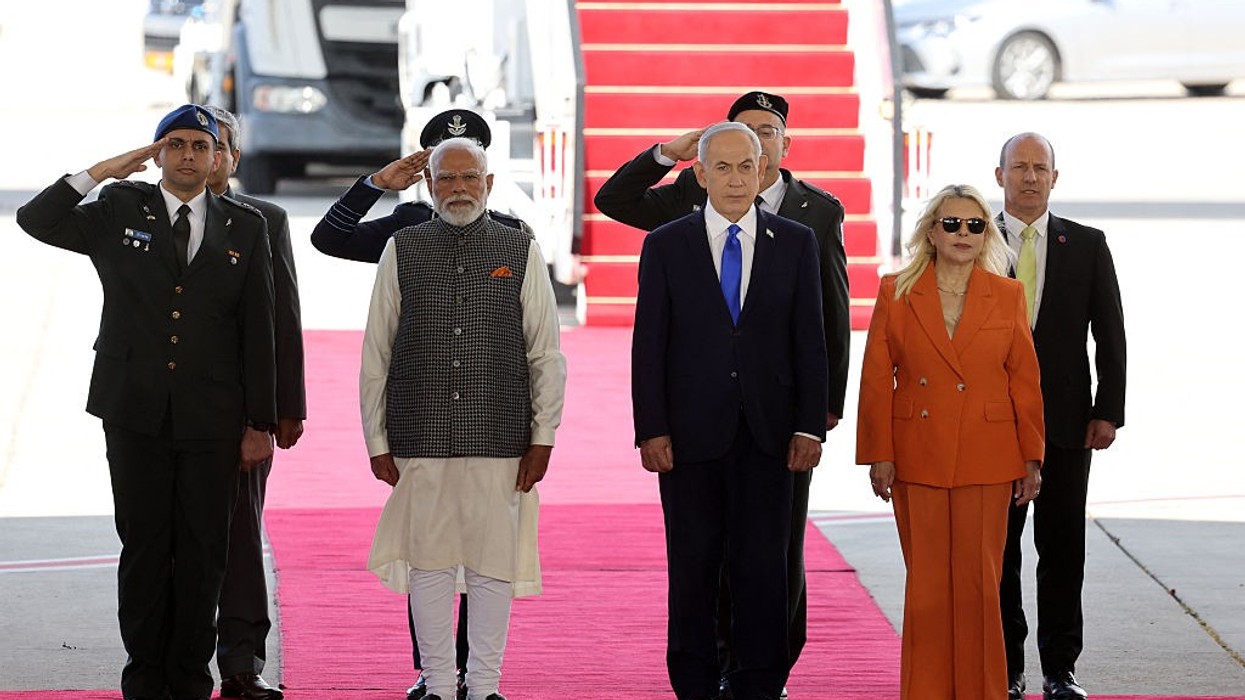
 A historic moment in Israel. The parliament erupted in applause and echoed with ‘Modi, Modi’ chants as PM Narendra Modi prepared to address lawmakers, highlighting the deep ties and admiration… | Times Now