
- Indian-American investor Deedy Das recounts a disruptive cruise experience in Vietnam’s Ha Long Bay
- Post describing loud behavior by Indian tourists goes viral on X
- Reactions range from criticism of civic sense to accusations of elitism
- Debate centers on entitlement, cultural stereotypes, and public etiquette abroad
- Critics question filming and publicly calling out fellow passengers
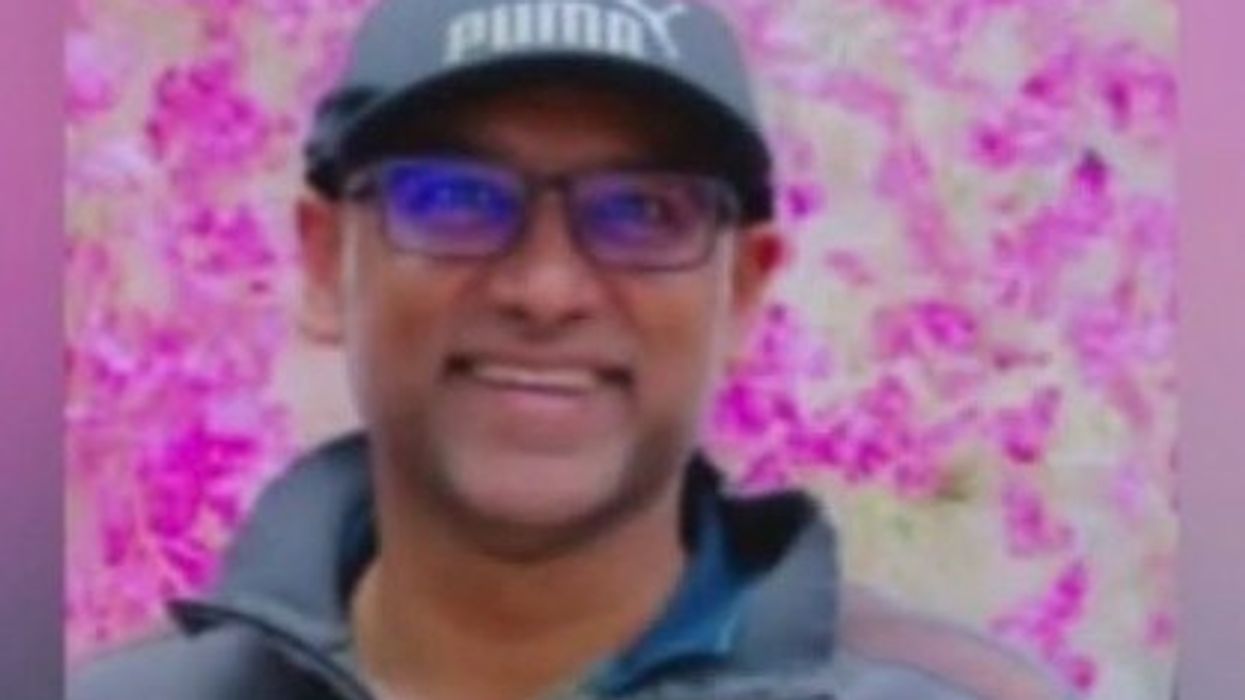
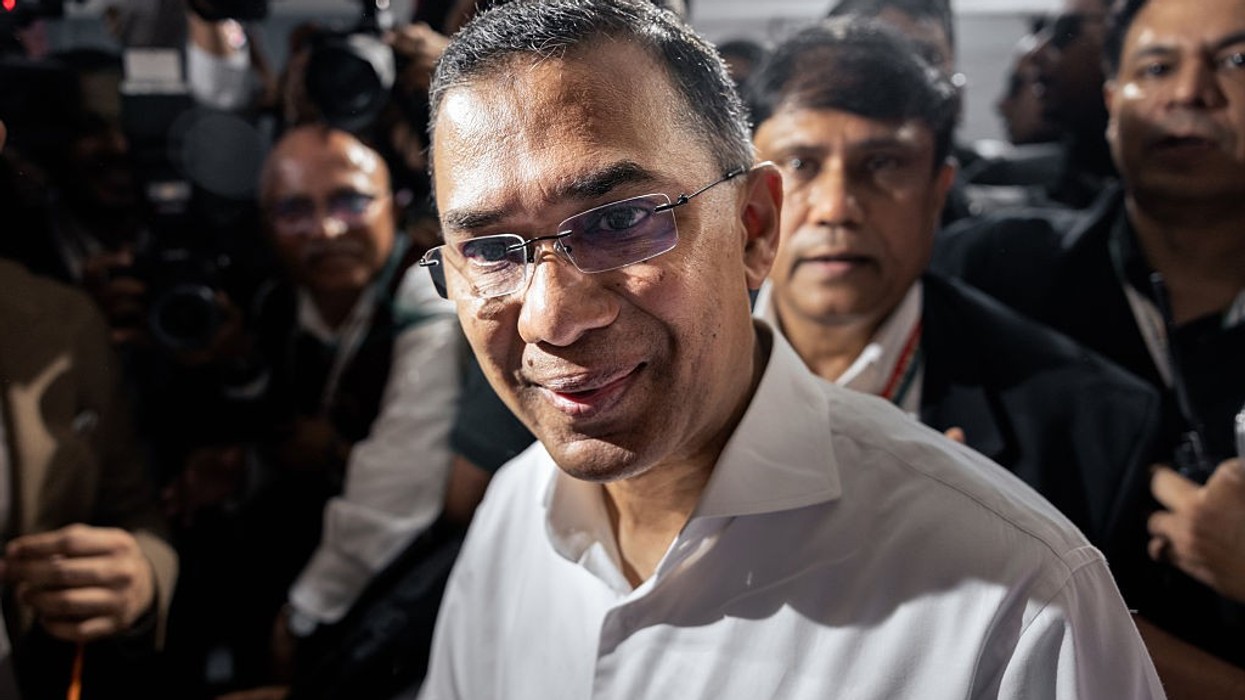
A social media post by Indian-American executive and investor Deedy Das has gone viral, triggering a heated debate over civic sense, entitlement, and how Indians are perceived when traveling abroad. Das, a partner at Silicon Valley–based Menlo Ventures, shared what he described as an “insane experience” while on a cruise through Vietnam’s Ha Long Bay, a UNESCO World Heritage Site celebrated for its calm waters and dramatic limestone formations.
In his post on X, Das said the cruise’s only public lounge had been quiet, with about ten families seated peacefully and taking in the scenery. According to him, the atmosphere changed abruptly when a group of six Indian women, whom he described as “aunties in their 50s,” entered the space. He wrote that the group brought what he called “full Bollywood wife energy,” spending nearly an hour doing makeup, taking hundreds of selfies, and speaking loudly about alleged acting careers.
Das claimed the women spoke at what he described as extremely high volume, disrupting the tranquil setting. He further alleged that they boasted of personal connections with Bollywood actor Anil Kapoor, despite, in his words, never having acted professionally. “Think it can’t get worse,” Das wrote. “It gets worse.”
According to the post, the women then began singing Bollywood songs loudly inside the lounge, leaving other passengers visibly uncomfortable. Das said families exchanged stunned looks as the performance continued and alleged that cruise staff attempted to intervene but were unable to stop the disruption. He characterized the behavior as an example of “main character syndrome,” suggesting the group was indifferent to shared public space norms.
The post quickly gained traction, drawing thousands of comments and sparking polarized reactions. Many users echoed Das’s frustration, framing the incident as emblematic of a broader lack of civic sense. “Money can’t buy manners,” one user wrote, while another commented that such behavior reinforces negative stereotypes about Indians traveling abroad. Some called for stronger emphasis on civic education from an early age.
Others responded with humor or sarcasm, joking about coping strategies such as noise-canceling headphones or pretending to document the scene. Several users agreed that public spaces, especially in culturally or environmentally sensitive locations, require greater awareness and restraint.
However, the post also attracted significant pushback. Critics accused Das of being elitist and publicly shaming fellow travelers. Some questioned whether it was appropriate to film or describe other passengers without their consent. “Get a life and let people enjoy themselves,” one commenter wrote, while another argued that the world does not need to conform to one person’s expectations of decorum.
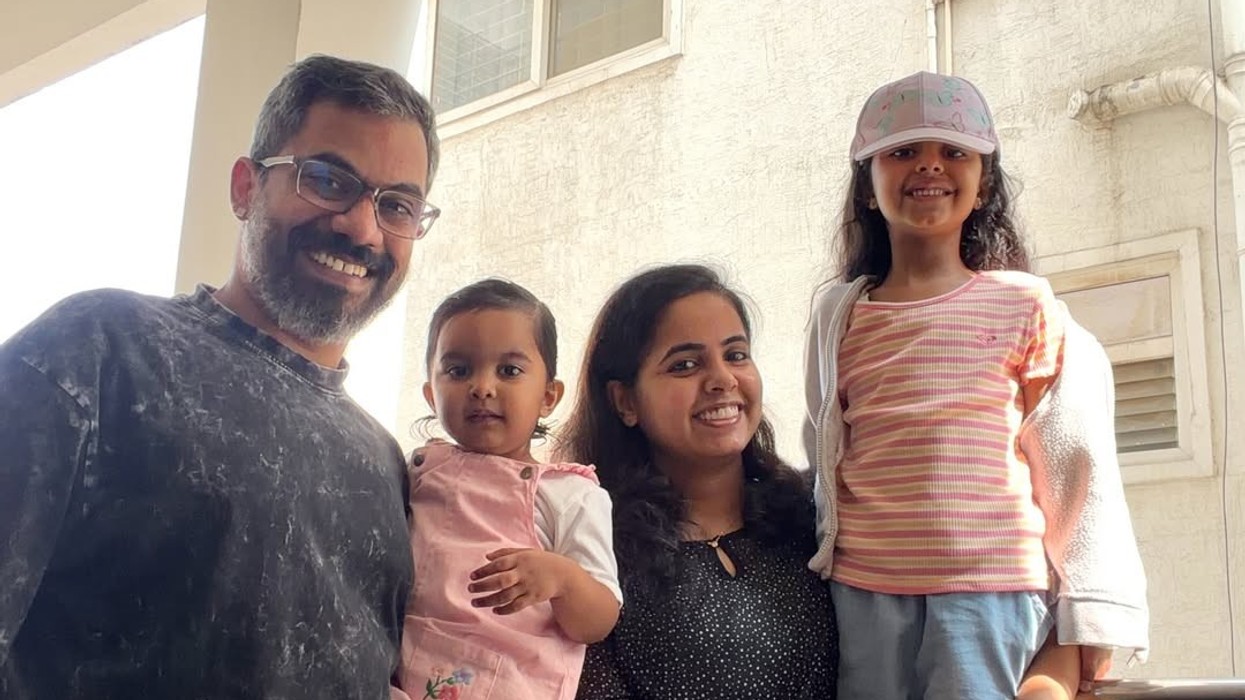
The affected woman's daughter gave an exclusive quote to India Weekly, where she mentioned her plight, “This video shows my mother, a senior citizen and private individual, recorded without her knowledge or consent. The harm comes entirely from the person who filmed and mocked harmless, everyday behavior.”
"The women in the video did nothing wrong. They were simply enjoying time together on a holiday cruise. No crew member asked them to lower their voices; in fact, a crew member later offered to play music via Bluetooth speakers, showing that the environment was social and normal. Singing among friends in this setting is harmless and subjective," she added.
The episode has since evolved into a broader conversation about cultural expression versus consideration for others, as well as who gets to define acceptable behavior in shared spaces. As the debate continues online, the incident underscores how travel, social media, and identity intersect, and how quickly a personal experience can become a flashpoint for a global discussion.