
Highlights:
Every year, as the festival of Holi approaches, the streets and temples of Vrindavan in Uttar Pradesh burst into clouds of color. This sacred town, deeply connected with Krishna, has long been known for its grand celebrations. But in recent years, one particular event has stood out for its powerful social message, the ‘Holi of Widows.’
At the center of this transformation is the Gopinath Temple, where hundreds of widows gather each year to celebrate Holi together. For many of these women, the festival marks something deeply meaningful: a chance to reclaim joy, dignity, and community after years of social exclusion.
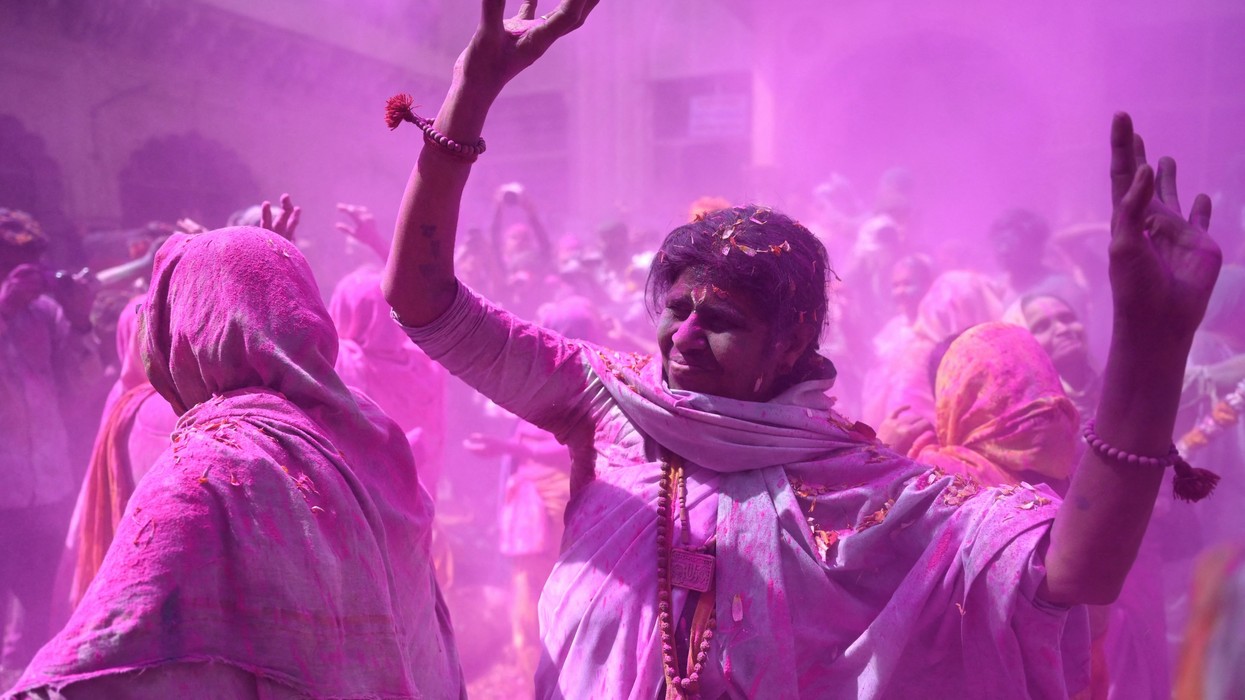
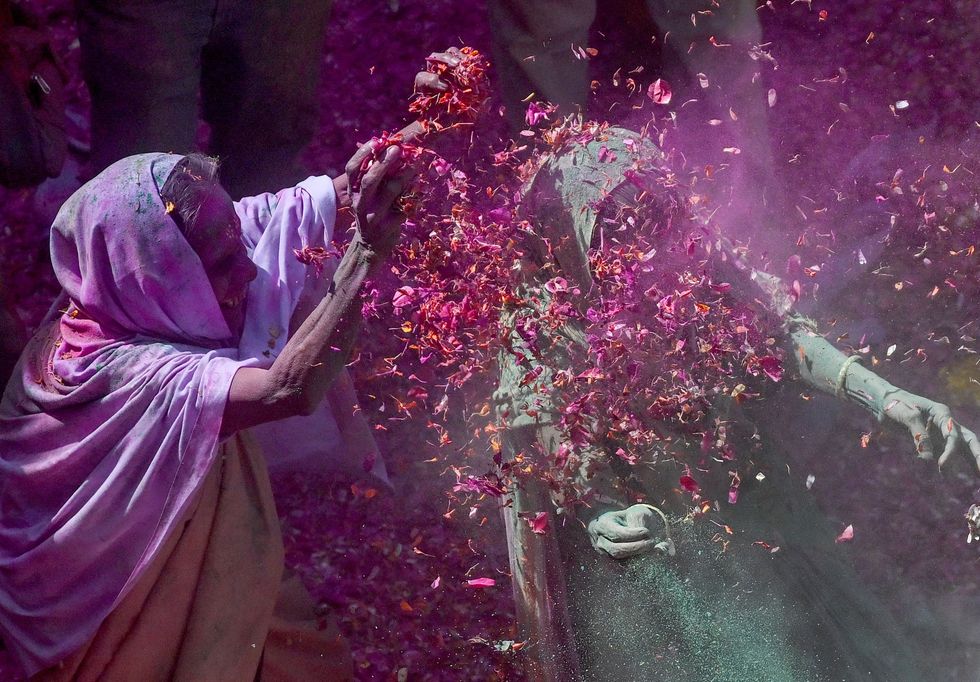
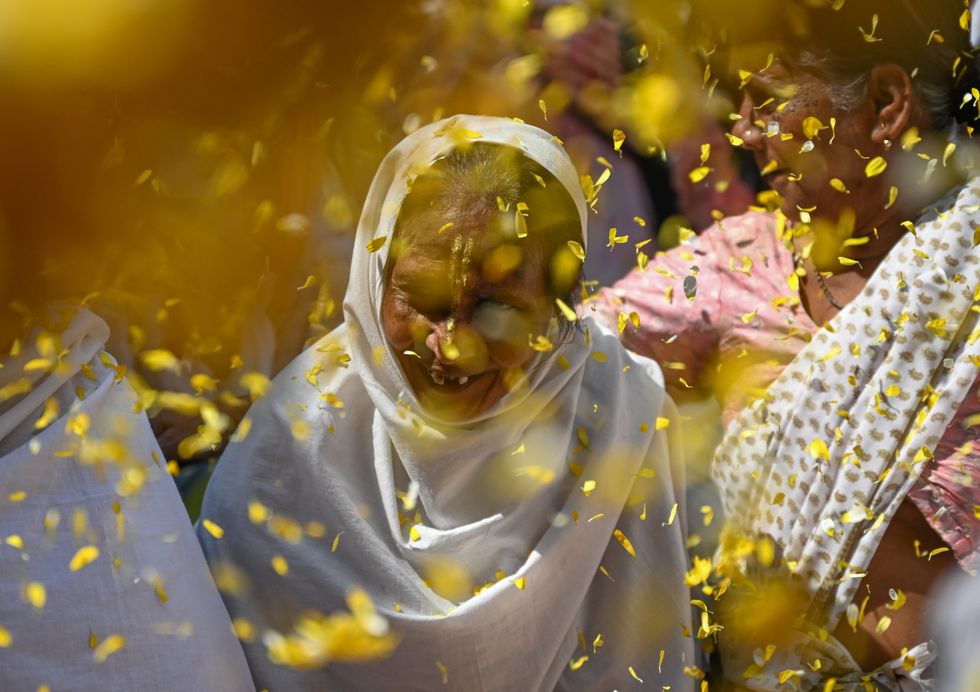
In 2026, more than 200 widows living in local ashrams took part in the celebration around Rangbhari Ekadashi, just days before the main Holi festivities. The temple courtyard filled with laughter and music as women showered each other with gulal, tossed marigold petals, and sang devotional bhajans. Some danced freely, their white sarees gradually turning bright shades of pink, yellow, and red.
 Getty Images
For many observers, the scene was striking. Traditionally, widows in many parts of India have been discouraged, or even forbidden, from participating in festive occasions. Widows were expected to live quiet, restrained lives marked by mourning and austerity. Festivals like Holi, known for their color and joy, were considered inappropriate for them.
The Holi of Widows event challenges those norms.
The celebration was first organized in 2013 by the social organization Sulabh International. The initiative aimed to break long-standing taboos and give widows an opportunity to take part in cultural life again. Over time, the event has grown into a widely recognized symbol of social change.
Videos from the 2026 celebration quickly spread across social media, showing the women dancing, singing, and covering each other in bright powders. For many viewers, the images represented a hopeful shift in attitudes toward widowhood in India.
Historically, widowhood in traditional Hindu society carried severe restrictions. Widows were often expected to wear plain white sarees, remove jewelry, and avoid makeup or bright colors. In some communities, women shaved their heads as a sign of mourning. They were also discouraged from attending celebrations, weddings, or other auspicious gatherings.
Food restrictions were common as well. Widows were often expected to follow a simple vegetarian diet without rich spices. These practices reflected the idea that a widow’s life should be devoted to the memory of her late husband.
 Getty Images
In extreme cases, the historical practice of Sati forced widows to immolate themselves on their husband’s funeral pyre. Although the practice was officially banned in 1829, its legacy continues to shape social attitudes in some areas.
Even today, many widows face economic hardship and social isolation. India is home to millions of widowed women, many of whom struggle with poverty, health challenges, and discrimination. In towns like Vrindavan, thousands of widows live in ashrams after being abandoned or marginalized by their families.
However, change is slowly taking place.
Legal reforms have played an important role. Widow remarriage was legalized in 1856, and modern legal systems support widows’ property and inheritance rights. In 2012, the Supreme Court of India also urged stronger welfare measures to support widowed women.
Nonprofit groups and activists continue to push for social inclusion. Events like the Holi of Widows are designed not only as celebrations but also as public statements against stigma.
Urbanization and shifting cultural attitudes have also contributed to change. Younger generations are increasingly questioning older social restrictions and advocating for equal rights and dignity for widowed women.
For the women who participate in Vrindavan’s celebration, however, the meaning is personal and immediate.
For a few hours each year, they step away from the limitations that have long defined widowhood. They sing, dance, and throw colors in the air like everyone else celebrating Holi.










 Instagram/@
 Instagram/@
 Instagram/@