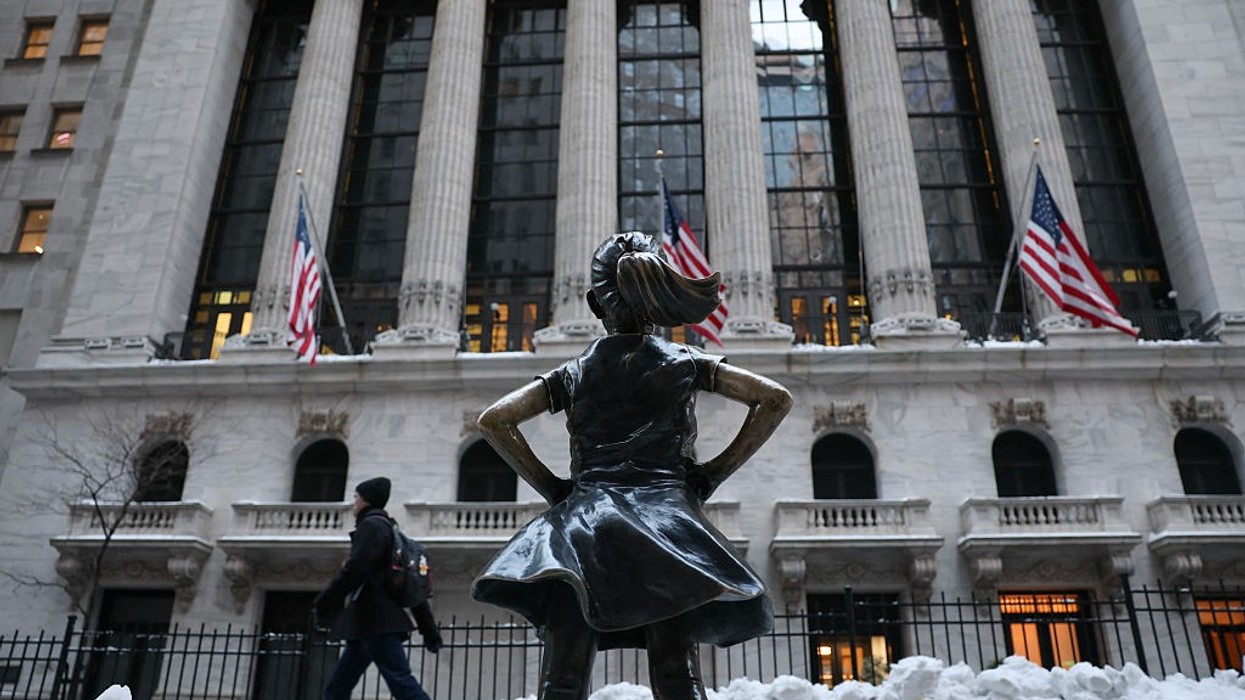

US stocks moved lower on Thursday (5), extending a volatile stretch for markets as investors weighed mounting concerns about artificial intelligence alongside new economic data pointing to a softening labor market.
The Dow Jones Industrial Average fell about 420 points, or 0.85 per cent. The S&P 500 slid 0.9 per cent, while the Nasdaq Composite dropped 1 per cent, putting the tech-heavy index on pace for its worst three-day decline since April. The Nasdaq is now more than 5.5 per cent below its most recent record high, set in October.
Technology stocks, particularly software names, were under pressure as investors continued to reassess how rapidly advancing AI tools could disrupt traditional business models. An exchange-traded fund tracking software companies fell 2.2 per cent on Thursday (5) and has now declined for eight consecutive sessions.
According to Mohit Kumar, a strategist at Jefferies, the immediate catalyst was the recent release of a new AI plug-in from Anthropic, but concerns have been building for months. Investors are increasingly worried that AI could reduce the need for human coders and weigh on software firms' future revenue growth. Kumar noted that markets appear to be in a “shoot first and ask questions later” phase, with rising scrutiny also falling on private equity and private credit firms exposed to the sector.
Shares of Blue Owl, a private credit firm with investments tied to software, dropped 3.6 per cent and have now fallen for 11 straight trading days.
Big Tech added to the drag. Microsoft shares were down 2.3 per cent and have declined in five of the past six sessions following last week’s earnings report. Alphabet sank 3 per cent after reporting earnings and signaling plans to significantly increase spending on data centers and AI-related infrastructure, reviving questions about how profitable the AI boom will ultimately be.
Risk aversion spilled into other markets. Bitcoin slid below $67,000, hitting its lowest level in 15 months. Gold fell 1 per cent, while silver plunged 10 per cent, extending an unusually volatile run for precious metals.
Meanwhile, fresh economic data heightened anxiety about the US labor market. The Job Openings and Labor Turnover Survey showed job openings in December fell to their lowest level since 2020. Separately, Challenger, Gray & Christmas reported that January saw the highest number of job cut announcements since 2009.
Treasury bonds rallied on the news, pushing yields lower. The VIX volatility index jumped 11 per cent and rose above 20, signaling elevated market stress, while CNN’s Fear and Greed Index remained firmly in “fear.”
With the January jobs report delayed due to the partial government shutdown, investors are left navigating uncertainty. As Global X’s Seana Smith noted, the lack of timely labor data is adding to market jitters and reinforcing Thursday’s cautious tone.