
Highlights:
- Unpublished National Security Strategy reportedly floated a new “C5” grouping
- Would include the U.S., China, Russia, India, and Japan
- Represents a sharp shift away from Europe-centered alliances
- White House denies existence of any alternative strategy draft
- Analysts say concept reflects Trump’s transactional, great-power style diplomacy
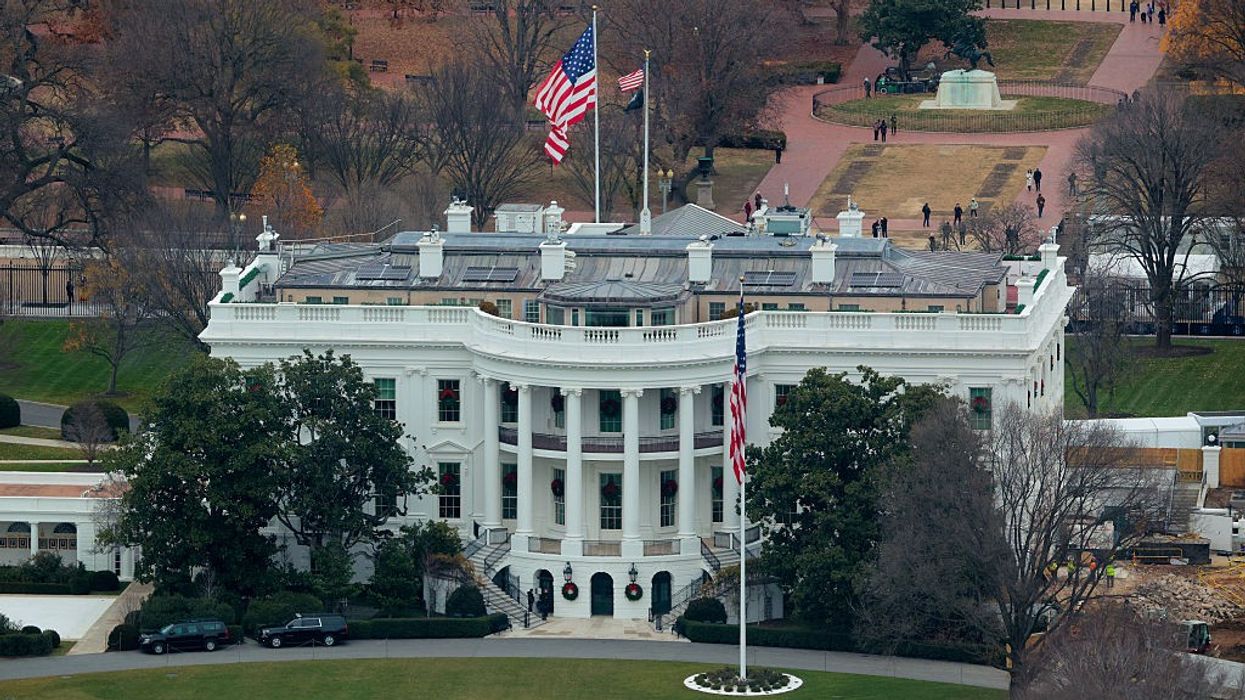
A provocative idea circulating through Washington's national-security circles proposes establishing a 'Core 5' (C5) forum composed of the US, China, Russia, India, and Japan. First reported by Defense one, the concept appears to be what sources describe as a longer, unpublished draft of the National Security Strategy, a document the White House insists does not exist.
If enacted, the C5 would bring together five of the world's largest and most influential nations, each with populations over 100 million and outsized geopolitical weight. The framework envisions regular leader-level summits to address major global challenges, beginning with security in the Middle East and potential steps toward normalizing relations between Israel and Saudi Arabia.
A Strategic Break From the G7
The proposed group stands in stark contrast to the long-established G7, signaling a dramatic shift in U.S. priorities. Analysts say the initiative reflects a broader reorientation away from Europe and toward direct engagement with other major powers—often rivals—as part of a more transactional diplomatic approach favored by President Donald Trump.
A former Trump administration official, speaking anonymously, said the idea is “not completely shocking,” noting internal discussions about whether bodies like the G-structures or even the U.N. Security Council were adequate for today’s geopolitical landscape.
National security specialists argue that the concept fits Trump’s worldview: non-ideological, centered on personal diplomacy with strongman leaders, and open to dividing the world into spheres of influence. The absence of any European power from the proposed C5 has especially alarmed European policymakers, who fear Washington may be sidelining the continent in favor of accommodating Russian influence.
Mixed Reactions From Policy Experts
Torrey Taussig, a former NSC official during the Biden administration, said the proposal would reinforce perceptions that the U.S. sees Russia—not Europe—as the central power shaping the continent’s security environment. Others, such as former Senate aide Michael Sobolik, view the C5 idea as a dramatic reversal of Trump’s earlier hard-line approach to China.
The administration has already hinted at alternative power configurations. Defense Secretary Pete Hegseth previously described Trump’s November meeting with Chinese President Xi Jinping as a historic “G2,” prompting criticism in Congress.
Tensions With Europe and Ongoing Ukraine Talks
The C5 debate comes as Trump presses European leaders for a negotiated end to the war in Ukraine. Trump has floated a controversial plan that would cede the entire Donbas region to Moscow—an idea Kyiv firmly rejects. Some European officials remain frustrated by Trump’s unpredictability, while others, such as U.K. Foreign Secretary Yvette Cooper, say Washington is serious about ongoing peace talks.
Meanwhile, EU Defense Commissioner Andrius Kubilius accused the U.S. of seeking to undermine European unity, citing the National Security Strategy’s references to “civilizational erasure.”
Broader Foreign Policy Turbulence
The developments unfold amid a flurry of other national-security actions: Trump’s approval of Nvidia’s sale of advanced AI chips to China, the U.S. seizure of an oil tanker linked to Venezuela, and escalating disputes between Congress and the White House on defense priorities, refugee policy, and the role of the International Criminal Court.
As Washington’s foreign-policy establishment digests the C5 concept, one thing is clear: the Trump administration is reshaping America’s traditional alliances and exploring new power alignments—sparking debate over what a future global order might look like.