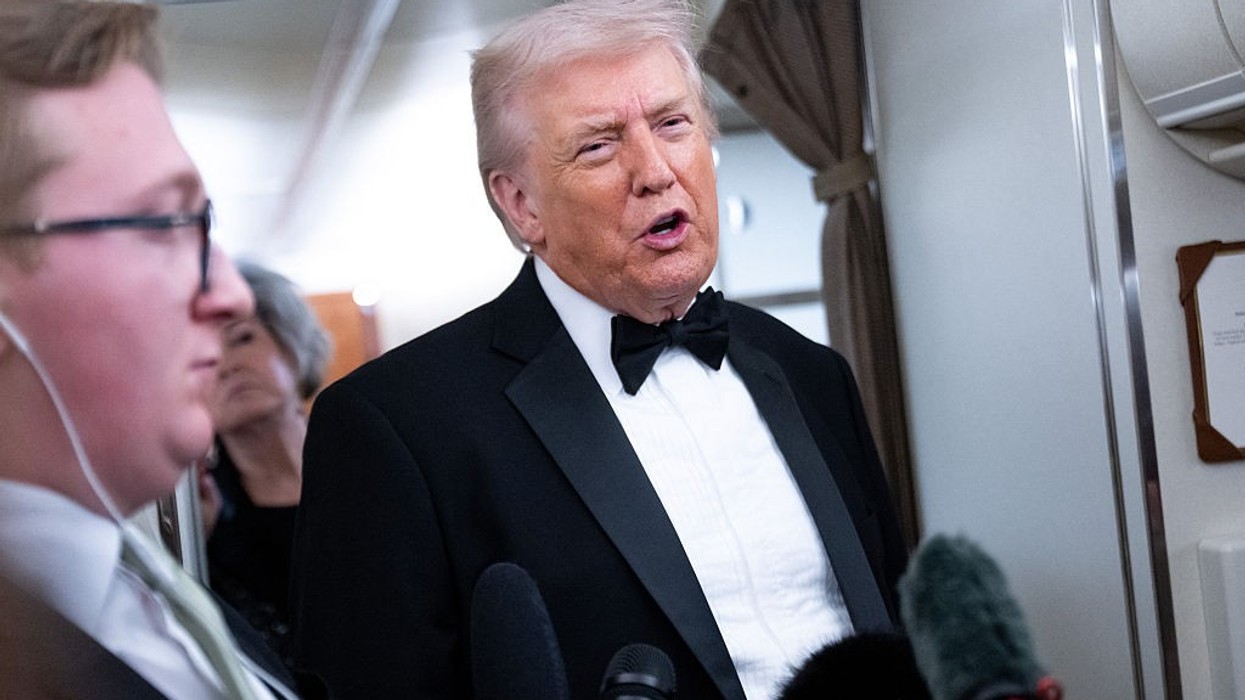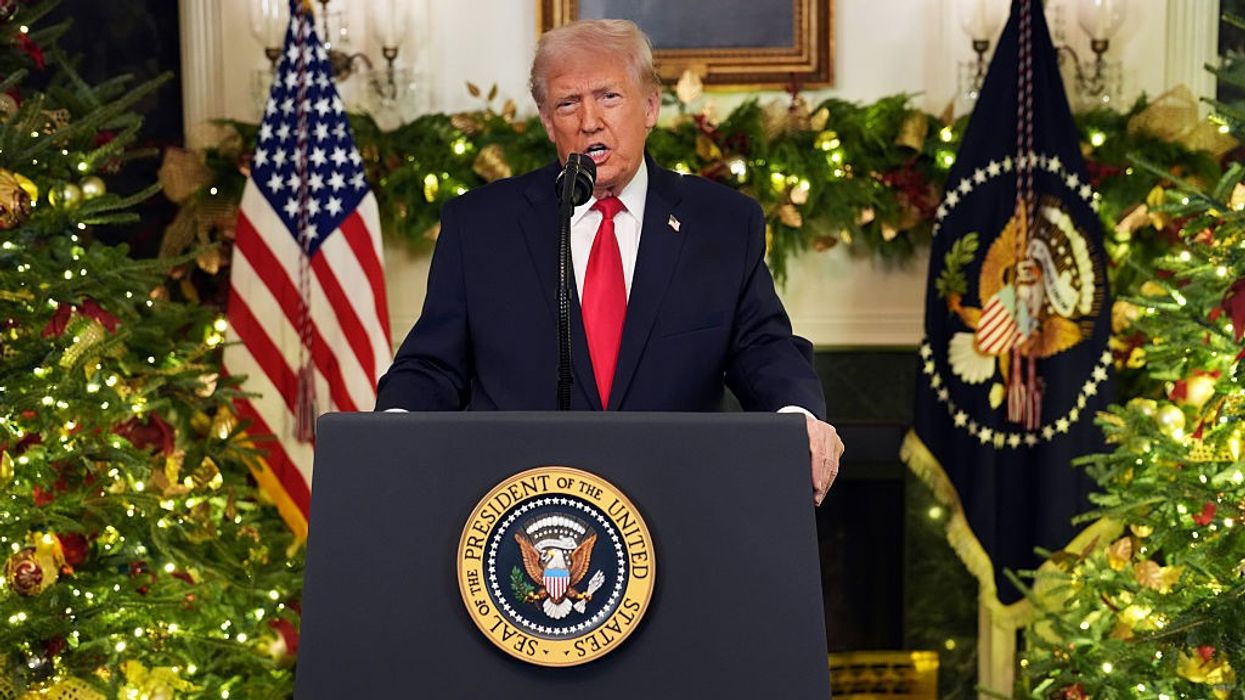

In December 2025, president Donald Trump delivered two major speeches that defined his administration’s priorities after nearly a year back in office. Speaking at the National Christmas Tree lighting on December 4, Trump declared that the US border was “secure” and said the economy was thriving with inflation under control.
In his year-end address on Wednesday (17), he went further, claiming his administration had delivered more change in 11 months than any other in modern history.
According to the White House transcript of the year-end address, Trump said he had turned what he called the “worst border anywhere in the world” into the “strongest border in American history.” He also pointed to falling drug flows, large-scale deportations of criminals, new investments, and major tax cut plans as proof of what he described as a national comeback.
- YouTube youtu.be
Claims of economic and security wins
Trump’s speeches emphasized economic recovery alongside border enforcement. He claimed inflation had stopped, billions of dollars in new U.S. investments had been secured, and families would benefit from major tax cuts, saving between $11,000 and $20,000 a year.
He also announced a one-time “Warrior Dividend” payment of $1,776 for more than 1.4 million service members, according to remarks cited in his year-end speech.
On foreign policy, Trump said his administration had helped end or settle multiple global conflicts, including the Gaza war. While these claims have been debated, the speeches were clearly designed to project strength, control, and momentum heading into 2026.
Immigration policy takes center stage
Immigration was the strongest and most consistent theme across both speeches. Trump repeatedly stressed that “nobody” was entering the country illegally and promised continued mass deportations. This message translated directly into policy changes in 2025, especially affecting Indians.
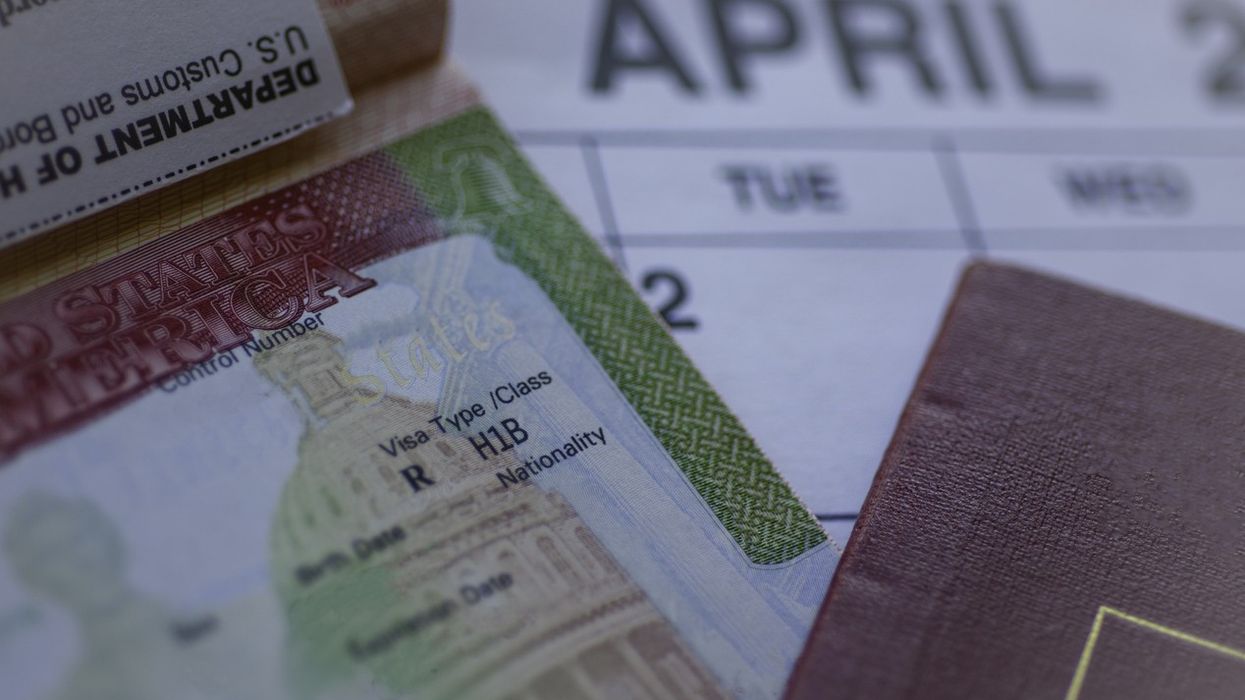
The administration imposed a $100,000 fee on H-1B visas starting in September 2025, a move Trump officials said was aimed at stopping abuse of the system and forcing companies to hire more Americans, according to reports in US and Indian media. Since Indians hold more than 70 per cent of H-1B visas, the impact was immediate and severe.
Student visa rules were also tightened. Interview waivers, commonly known as the Dropbox system, were ended for many H and F visa categories. Age-based exemptions were removed, and scrutiny of renewals increased, as noted by education and immigration analysts.
How Indian migration was affected
Before these changes, 2024 marked a high point for Indian migration to the US. Around 100,000 to 120,000 Indians received green cards, and more than 300,000 H-1B and student visas were issued, according to data from migration research groups and U.S. policy institutes.
In 2025, those numbers dropped sharply. H-1B approvals declined due to higher costs and stricter hiring rules. The Diversity Visa green card lottery was paused, though Indians were already largely excluded.
Deportations increased, with Indian government statements confirming more than 1,700 Indians removed by mid-2025, many from Punjab and Haryana.
What 2026 could look like
Trump’s speeches suggest the trend will continue. He promised sustained enforcement, expanded “Buy American, Hire American” policies, and further reductions in both legal and illegal immigration. Policy analysts cited by U.S. think tanks warn that H-1B caps could fall further, and green card approvals may slow due to expanded reviews.
For Indians, this means the American dream has not ended, but it has become more expensive, uncertain, and risky.
Experts now advise Indian students and workers to ensure strict legal compliance, secure strong employer sponsorship, or consider alternatives such as Canada or Europe.
As Trump made clear in his year-end address, border control is no longer just a policy issue. It is the centerpiece of his vision for America’s future.