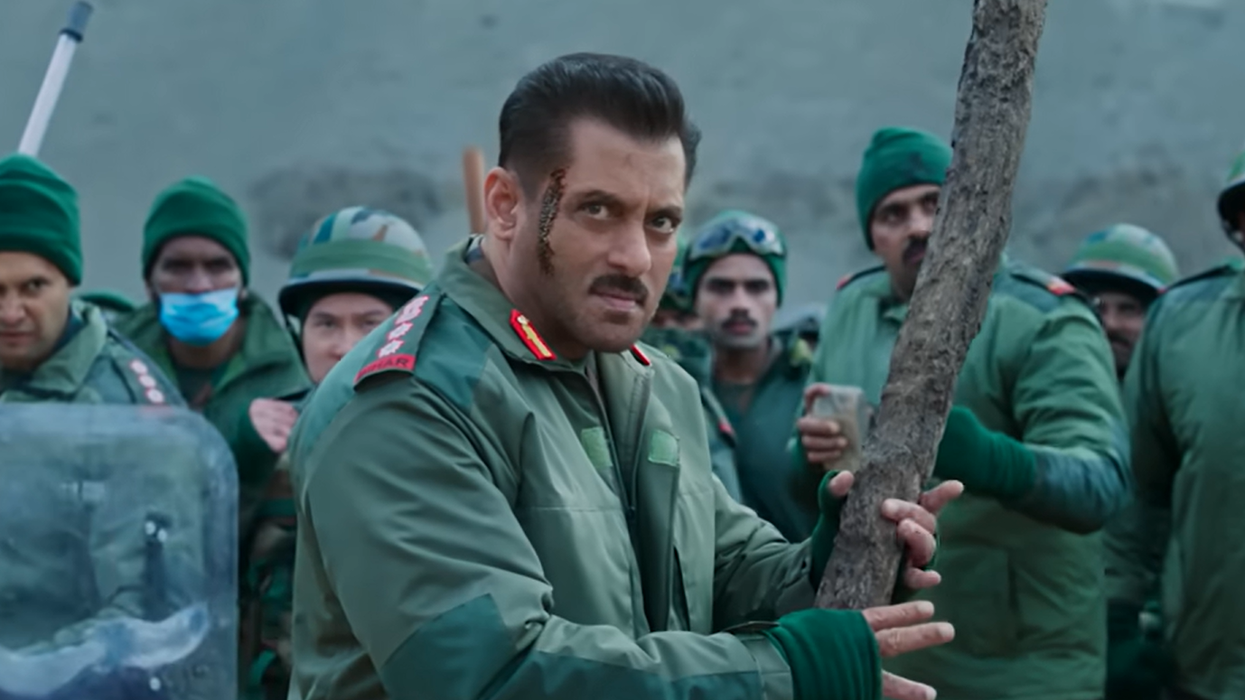

- China’s state media criticized a 72-second teaser for The Battle of Galwan
- The film revisits the deadly 2020 India-China border clash in Ladakh
- Chinese commentators accused Bollywood of exaggeration and nationalism
- Indian films have previously enjoyed major commercial success in China
- The reaction reflects differing views on media, politics, and popular culture
China and Pakistan often describe their relationship as a “strategic partnership,” with cooperation spanning defense, infrastructure, and economic projects. Lately, they appear to share another interest: criticizing Bollywood. While Pakistan has long objected to Indian films portraying it negatively, China has now joined the debate—this time over a movie teaser barely longer than a minute.
The trigger is The Battle of Galwan, an upcoming Salman Khan film based on the violent June 2020 clash between Indian and Chinese troops in eastern Ladakh. The confrontation, fought without firearms, resulted in fatalities on both sides and marked the most serious border incident between the two countries in decades. A 72-second teaser released ahead of the film’s planned April 2026 debut has drawn unusually strong reactions in China.
- YouTube youtu.be
Beijing’s state-run newspaper Global Times published a sharply worded commentary accusing Bollywood of producing “over-the-top” and “factually incorrect” portrayals. The article described Indian films as emotionally charged entertainment that cannot alter history or challenge China’s claims over its territory. Chinese military analysts quoted by the paper argued that such movies are designed to stir nationalist sentiment in India.
The teaser also sparked debate on Chinese social media platform Weibo. Some users mocked the film for allegedly contradicting historical facts, while others dismissed it as cinematic fantasy filling gaps where history, in their view, falls short.
What makes the reaction notable is China’s long and complicated relationship with Bollywood. Despite strict censorship rules governing foreign films, several Indian movies have not only been approved for release in China but have also become major hits. Films such as Dangal, 3 Idiots, PK, and Secret Superstar resonated strongly with Chinese audiences, often outperforming expectations at the box office.
As recently as 2023, Global Times itself praised Bollywood, noting that shared cultural values—family, education, and personal growth—help Indian films connect with Chinese viewers. That praise now contrasts sharply with the paper’s current criticism.
One explanation lies in timing. Earlier Indian films about India-China conflicts, such as Haqeeqat (1964), Paltan (2018), and 120 Bahadur (2025), focused on battles that occurred decades ago. The Battle of Galwan, however, revisits an incident just five years old—one that remains politically sensitive and emotionally charged on both sides of the border.
The controversy also highlights a deeper misunderstanding. In China, media and cinema operate under tight state oversight, often serving political narratives. In India, Bollywood is largely driven by commercial considerations and audience demand, not government direction. Nationalistic themes, exaggerated heroes, and dramatic storytelling are common not just in Indian cinema, but also in Hollywood and Chinese war films alike.
Given China’s strict control over foreign film releases, The Battle of Galwan is unlikely to be screened there. That reality raises a simple question: if the film will never reach Chinese theaters, why the outrage? For now, the answer seems rooted less in cinema—and more in unresolved tensions and competing narratives about a recent and painful chapter in history.


 Designed by Gaurav Gupta, Alia Bhatt wears a Mogra-themed ivory saree at Screen Awards 2026 red carpet.Instagram/@
 Designed by Gaurav Gupta, Alia Bhatt hosted the show in a strong tuxedo.Instagram/@





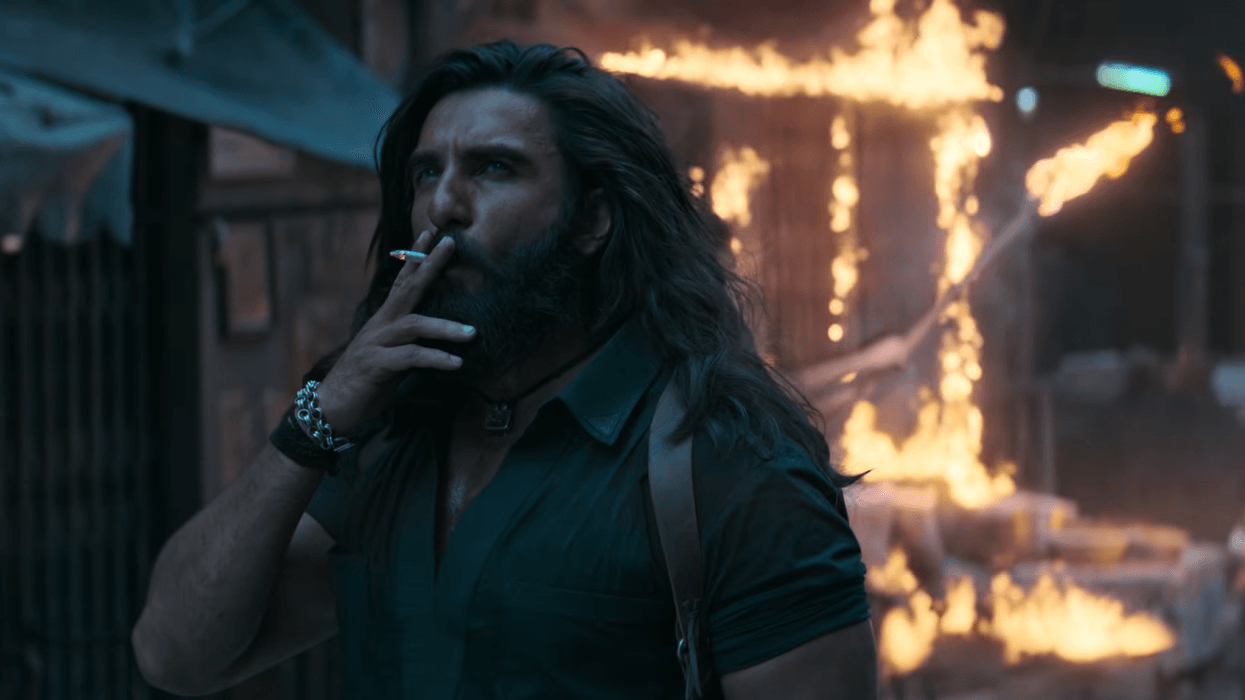
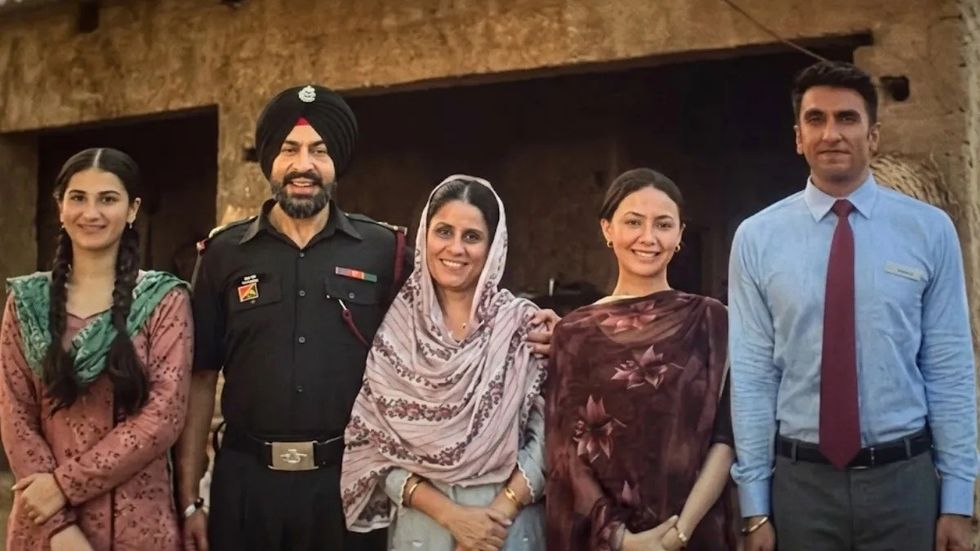 Ranveer Singh in Dhurandhar The RevengeX
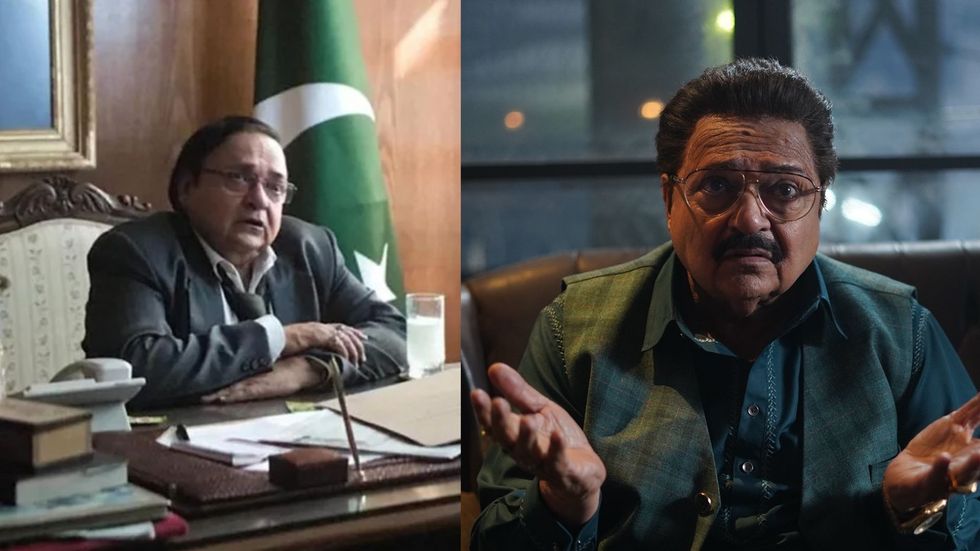 Rakesh Bedi as Jameel Jamali in Dhurandhar (R) and ISI agent in Uri: The Surgical Strike (L)Instagram/@
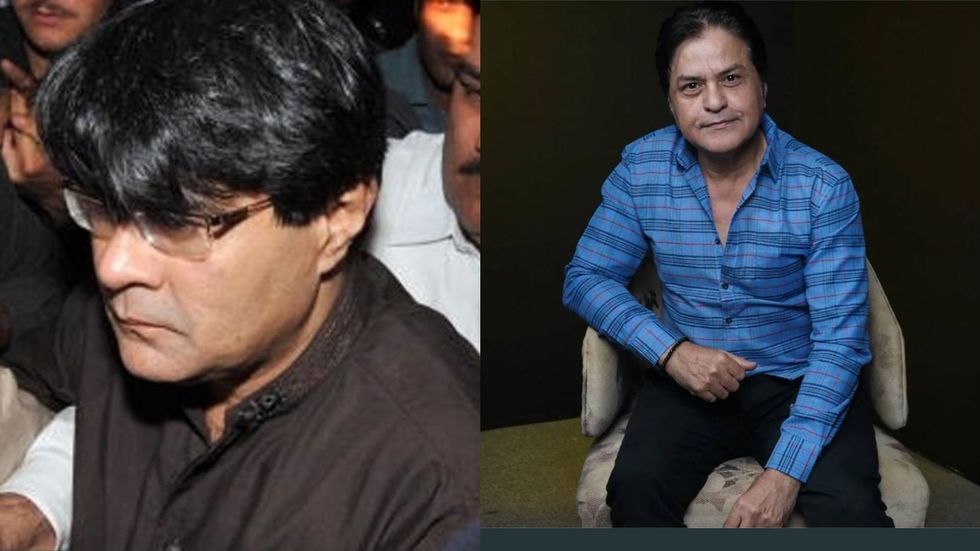 Ankit SagarInstagram/@
 Ranveer Singh in DhurandharTimes Now