
Highlights:
- Corporate jobs in Canada are extremely difficult without permanent residency
- Many overseas roles don’t match expectations or career goals
- Living alone abroad changed his view on family and independence
- India now offers strong career growth, especially in tech
- Tighter visa rules are reshaping global migration plans
Nearly a year and a half after returning from Canada, Saswath still hears the same question everywhere he goes: Why did you come back? Tired of repeating himself, the Indian professional and social media influencer decided to explain his reasoning in a detailed Instagram post, one that quickly struck a chord with thousands.
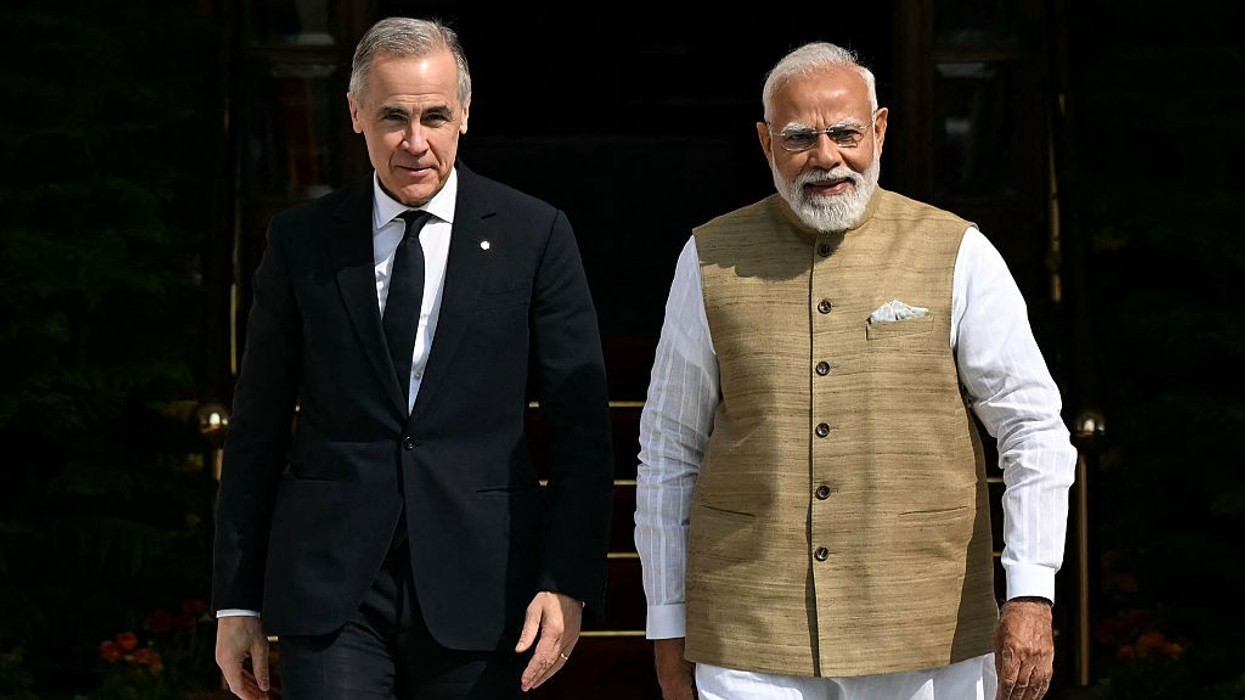
His story comes amid a broader global shift. Countries such as the United States, the United Kingdom, and Canada have tightened immigration and visa policies, especially for international students and temporary workers. Canada, in particular, introduced major changes in 2025, making it harder and more expensive to study, work, and settle. As a result, many Non-Resident Indians (NRIs) are rethinking long-term plans abroad and increasingly considering a return to India.
For Saswath, the biggest reason was work, or the lack of it. He said corporate jobs in Canada are nearly impossible to secure without permanent residency. “If you don’t have PR, your chances are maybe one or two percent,” he explained, pushing back against the popular belief that jobs are easy to find there.
He shared a personal experience to underline the point. Saswath interviewed for the same company in Canada where he now works in India. Despite having comparable skills and experience, he was rejected in Canada. The only difference, he believes, was his immigration status. Without PR, he simply wasn’t considered a viable long-term hire.
The jobs that were available to him, he said, were not aligned with his career goals. “I didn’t move abroad to do those jobs,” he said. Like many Indians, he had gone to Canada hoping for a better quality of life. But after living there, he realized something unexpected: he was already living a better life in India. According to him, the lifestyle many people dream of abroad often takes eight to ten years of struggle to achieve.
Family played an equally important role in his decision. Saswath admitted that many young Indians believe moving abroad means freedom and independence. However, within six months of living alone, his perspective changed. “In India, families argue and fight,” he said, “but that’s still the best life.” Living alone made him realize how empty life can feel without daily family support.
He was careful to acknowledge Canada’s advantages, better infrastructure, cleaner cities, smoother roads, and better air quality. “Canada is beautiful,” he said. But he also pointed out that many friends still living abroad are struggling to build stability while missing precious time with aging parents back home.
Saswath said that had he found a good job in Canada, he might have stayed for a few years before returning. But once back in India, he followed a clear plan and executed it over the last 18 months. Today, he says life is good—and coming back was the right decision.
As visa caps tighten and uncertainty grows, stories like his reflect a changing mindset: for many Indians, opportunity no longer lies only abroad.