
Highlights
- Rahman says it took nearly seven years to feel accepted in Bollywood
- He credits Taal for making him feel like an insider
- He admits he has lost work in the Hindi film industry over the last eight years
- He suggests shifting power structures may be one reason
From outsider to household name
AR Rahman entered Bollywood in 1991 with Mani Ratnam’s Roja, followed by Bombay (1995) and Dil Se.. (1998). Though the films and their music were celebrated, Rahman says he still felt like an outsider during those years.
It was only after Subhash Ghai’s Taal in 1999 that things changed. Rahman said the album reached everyday homes and crossed language barriers. He described it as music that mixed Hindi, Punjabi, and mountain influences, making it easy for North Indian listeners to connect with it. After Taal, he finally felt he belonged in Hindi cinema.
Learning languages to survive in Bollywood
Rahman believes language played a big role in his early struggles. He said he never spoke Hindi when he began working in Bollywood, which made communication difficult.
He recalled that Subhash Ghai once advised him to learn Hindi if he wanted to last in the industry. Rahman decided to go further and study Urdu as well, since it shaped much of Hindi film music in earlier decades. He later learned Arabic for its similarity in pronunciation and picked up Punjabi after working closely with singer Sukhwinder Singh.
That partnership led to songs like “Chaiyya Chaiyya,” “Ramta Jogi,” and later the Oscar-winning “Jai Ho.” Rahman said these collaborations helped him understand different musical cultures and audiences.
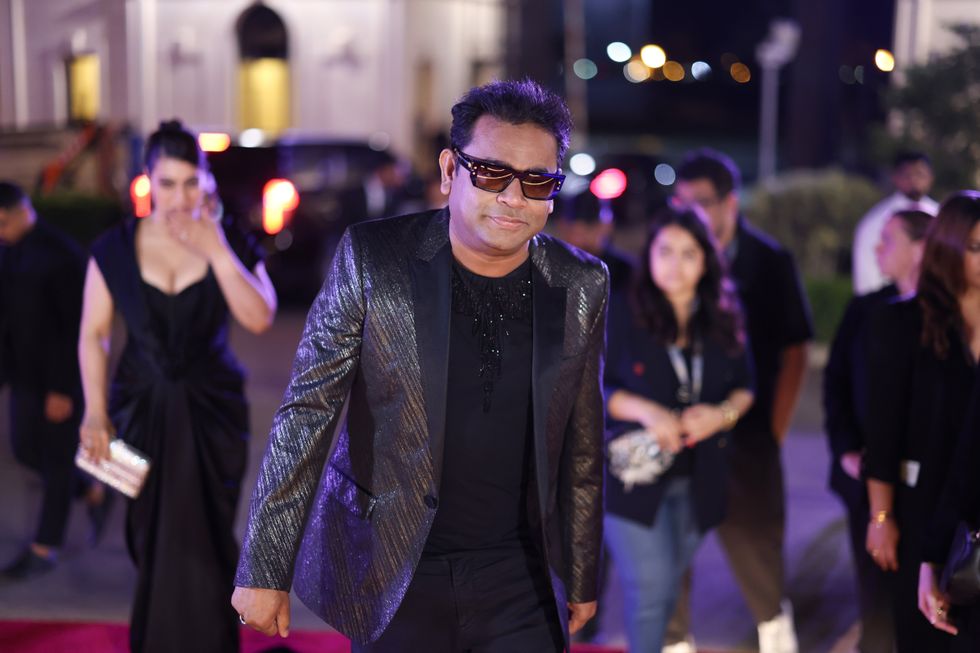 He described hearing indirectly that projects he was considered for went to several other composers insteadGetty Images
Losing work in the last eight years
Rahman admitted that over the past eight years, his work in Bollywood has reduced. When asked about prejudice in the Hindi film industry, especially against people from outside Maharashtra or from the South, he said he never faced it openly in earlier years.
However, he feels something has changed recently. He said power has shifted to people who are “not creative,” and this may have affected who gets work. He also suggested it could sometimes be communal, though never directly in his face.
He described hearing indirectly that projects he was considered for went to several other composers instead. He said he does not chase work anymore and believes what is meant for him will come through his sincerity.
- YouTube youtu.be
Why he focused more on Hindi films
Rahman also shared why he moved away from mainly doing dubbed versions of Tamil films. He said that when films like Roja and Dil Se.. became popular, some Hindi versions used poor translations of Tamil lyrics.
He found it humiliating to read comments saying the Hindi lyrics were weak and that listeners preferred the Tamil originals. That pushed him to focus more on composing directly for Hindi films rather than relying on dubbed versions.
For Rahman, the journey in Bollywood has been about more than success. It has been about language, identity, and learning how to belong — even when the work slows down.





 Balancing film buzz with a fashion moment that has taken over social mediaX/ Enter10ON
 Fans praising the energy and confidence she brings to the screenX/ TopActressEver
 A viral fashion moment has once again placed her firmly in the public eyeX/ Enter10ON
 Disha Patani appears to be entering a busy phaseX/ Enter10ON