
Highlights
- AR Rahman posts a 95-second video after comments from a BBC interview go viral.
- He says his words were misunderstood and he never meant to hurt anyone.
- The original remarks touched on power shifts and possible communal bias in Bollywood.
Rahman responds with video message
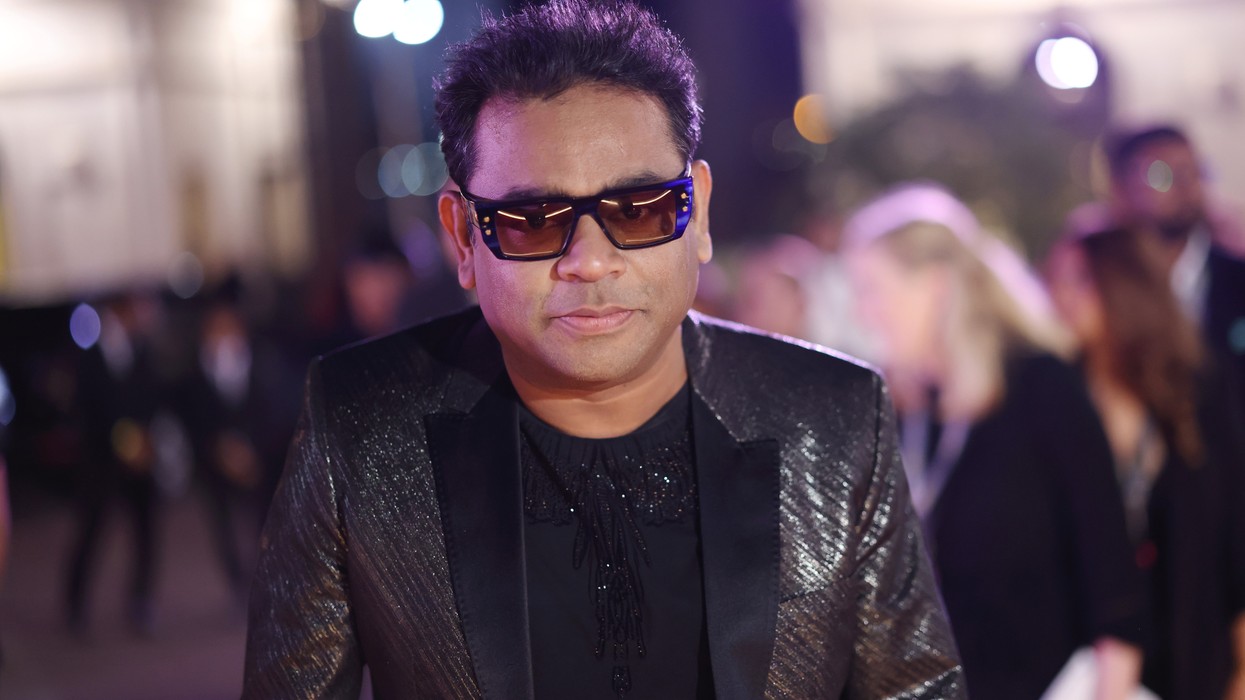
Oscar-winning composer AR Rahman shared a 95-second video on social media on Sunday morning after short clips from a recent interview began circulating widely online.
In the video, he calls India his “inspiration, my teacher and my home,” and says his intentions may have been misunderstood. He stresses that his purpose has always been to “uplift, honor and serve through music.”
“I have never wished to cause pain,” he says, adding that he hopes his sincerity is felt. He also says he feels blessed to be Indian, describing the country as a space that allows freedom of expression and celebrates many cultures.
Pointing to his recent work
Rahman also refers to some of his recent projects, including Jhaala, which he presented at the Waves Summit in the presence of Prime Minister Narendra Modi, and RoHiNoor, created with Naga musicians as a string orchestra project.
He mentions Secret Mountain, described as India’s first multicultural virtual band, and his upcoming work on Ramayana alongside Hans Zimmer.
“I remain grateful to this nation and committed to music that honors the past, celebrates the present and inspires the future,” he says, signing off with, “Jai Hind and Jai Ho.”
What sparked the backlash
The reaction followed a clip from Rahman’s interview with BBC Asian Network, taken from a longer 90-minute conversation. In it, he spoke about getting fewer opportunities in north India over the past eight years.
Asked about being a Tamil composer working in Bollywood in the 1990s, Rahman said he may not have noticed discrimination then. But he added that in recent years, a “power shift” had taken place.
“People who are not creative have the power now to decide things,” he said. He added that it might also be linked to “the communal thing,” though not directly to his face. He said he often hears through others that projects meant for him are later given to multiple other composers.
He said he has taken it calmly, joking that it at least gives him more time with his family.
Reactions continue
The clip drew strong reactions online, with many criticizing Rahman’s remarks and others defending his right to speak from personal experience.
Actor Kangana Ranaut also posted about him on Instagram, claiming he once refused to hear a narration of her film Emergency, which she said he considered divisive. She wrote that she felt he did not want to be part of what he saw as a propaganda film.
Rahman has not directly responded to that claim, but his video makes clear that he does not wish to hurt anyone and that his only aim is to create music that brings people together.




Katrina Kaif reacts to postpartum beauty comments, reveals her 'skin became sensitive' and 'feeling best matters more'
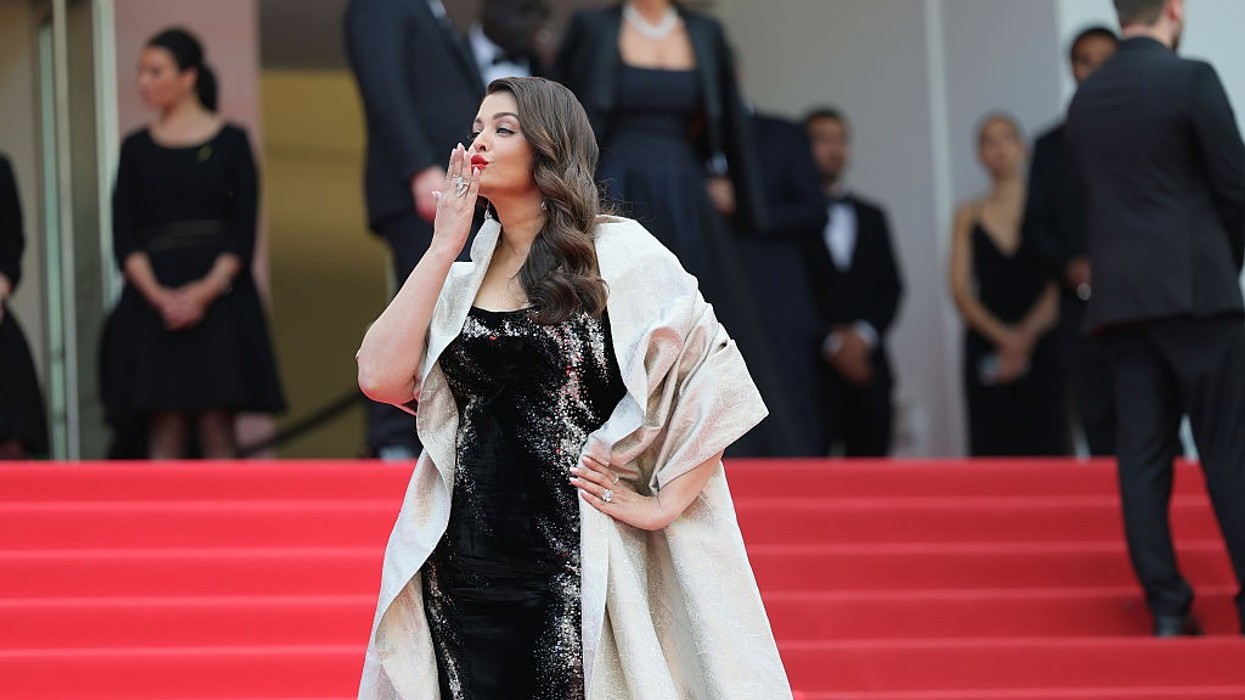
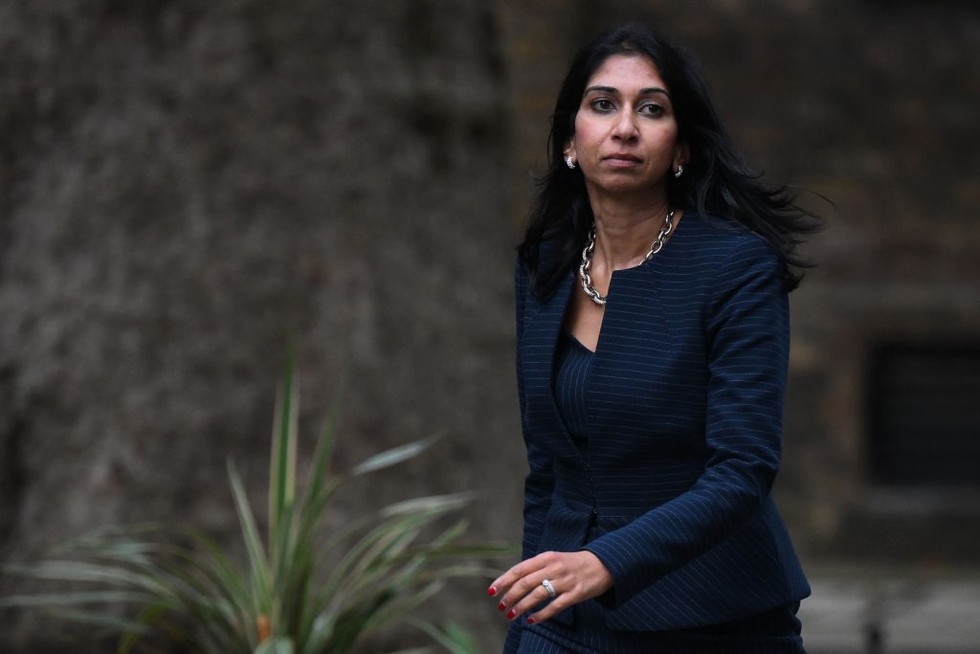
Katrina Kaif attends the green carpet at the NEXA IIFA Awards at Jaipur Exhibition and Convention Centre on March 09, 2025 in Jaipur, India.
Katrina Kaif has spent much of her career being associated with beauty — from modeling and Bollywood films to red-carpet appearances and her makeup business. But motherhood has changed the way the actor looks at her appearance.
In a recent conversation with The Hollywood Reporter India, Kaif spoke about beauty standards, self-care and the changes she experienced after giving birth. Her comments come as paparazzi photographs and videos of the actor have drawn harsh reactions online, with some social media users comparing her postpartum appearance with how she looked earlier in her career.
Rather than focusing on returning to her old appearance, Kaif said her priorities have changed. For her, looking her best now starts with feeling her best.
Katrina Kaif reacts to changing beauty standards
Kaif recalled the pressure surrounding beauty when she began her modeling and acting career. She said there were many stereotypes about what women were expected to look like.
Today, she views beauty differently.
“Looking my best is really about feeling my best,” Kaif said, explaining that taking care of herself as a whole has become more important.
She linked that feeling to several aspects of her lifestyle, including maintaining a healthy diet, staying active, managing inflammation, meditating and spending time away from her phone. She also mentioned getting natural light in the morning as part of her routine.
For Kaif, the connection between health and appearance is straightforward: when she feels healthy, she believes that confidence naturally shows on the outside.
Her comments come at a time when celebrity appearances continue to receive intense scrutiny online. Paparazzi posts featuring Kaif have attracted comments about her postpartum body and appearance, with some users comparing recent images with photographs from earlier stages of her career.
Her skin changed after giving birth
Kaif also opened up about a specific physical change she noticed after pregnancy.
According to the actor, her skin became significantly more sensitive after giving birth. That made it difficult for her to determine which products were actually working for her.
She is now focusing on what she describes as deep cellular hydration, strengthening her skin barrier and keeping her skin calm and resilient.
Dermatologist Dr. Shireen Furtado, senior consultant in medical and cosmetic dermatology at Aster CMI Hospital, explained that postpartum hormonal changes, stress, sleep disruption and dehydration can affect the skin in different ways.
Skin may become drier, more sensitive, oilier or more prone to pigmentation after childbirth. Because of those changes, she advised new mothers to focus on basic skin health instead of trying to immediately recreate their pre-pregnancy appearance.
Kaif’s postpartum approach is more about self-care
For Kaif, the shift appears to be bigger than skincare. Motherhood has changed the way she defines looking good.
Instead of chasing a particular appearance, she is emphasizing health, balance and understanding what her body and skin need at a particular stage.
Furtado similarly recommends keeping postpartum skincare simple, with a gentle cleanser, moisturizer and broad-spectrum sunscreen as a starting point. She also cautions against unnecessary products, harsh scrubs, strong exfoliants and irritating fragrances when skin is sensitive.
Some ingredients, including retinoids, require particular caution during breastfeeding and should be discussed with a dermatologist before use.
Kaif's comments offer a different perspective on the pressure faced by women after childbirth, particularly public figures whose appearances are constantly photographed and discussed.
Her message is less about looking the way she did before motherhood and more about feeling comfortable in the person she is now. For an actor whose appearance has been part of public conversation throughout her career, that represents a noticeable shift in how she approaches beauty.