

ARNOLD Dix, an Australian tunnelling expert who remained on the site while 41 Indian workers were being rescued from a collapsed under-construction tunnel in the Himalayan state of Uttarakhand, has revealed his experience during the entire episode.
The specialist in underground transportation and infrastructure from Melbourne, who has been praised from various quarters for his relentless inputs and guidance during the rescue mission, told Australian Channel Seven's Sunrise on Wednesday (29) that once he was requested for help, he found himself “literally in a helicopter being whisked out like in a MASH movie up into the Himalayas” and “was confronted with something I’ve never seen before”.
Read: When Indian industrialist Anand Mahindra praised Arnold Dix
Dix, who was even seen handling the impatient media and offering prayers at a makeshift temple by taking off his shoes for the well-being of the workers who were brought out on Tuesday (28) night, is an engineering professor, lawyer and leads the Geneva-based International Tunnelling and Underground Space Association.
The expert told Sunrise that when he first arrived at the scene, it looked like "an avalanche with millions of tonnes of rock and a huge cavity inside".
Read: Gabbar Singh, the man who boosted his colleagues trapped in tunnel
The rescue mission was not easy, particularly after the modern machinery -- an American auger machine -- failed to reach the workers.
It was all left to manual drilling from that point onwards and the rescue personnel, including Dix, were engaged in manually drilling and removing the rubble using a pulley system.
The veteran felt that the progress had to be made slowly so that the fragile and "still moving" mountainside did not crumble more, making the challenge even more difficult. He told India's NDTV that a go-slow approach would ensure that none of the trapped men would be injured and they did the job by digging 100 millimetres at a time by hand.
Using rat-hole mining technique did not surprise Dix
Dix was not surprised either by the idea of getting the rat-hole mining technique into play. A practice that has been banned by Indian authorities due to its unsafe nature and potential to pollute the environment, rat-hole mining proved to be a gamechanger in making the mission successful.
"I did anticipate 'rat hole' mining would be the breakthrough. That was part of the advice I gave because I could see that with every big machine used the mountain's reaction was more severe," he told the Indian channel.
Dix eventually succeeded in keeping the promise he had made to the families of the trapped workers that they would return home safe. The men were brought out through an escape pipe on Tuesday after the final block of rubble was manually drilled by the personnel.
“I’m just over the moon,” Dix told Australian Channel Nine's Today show. “This is what real nice people do to help one another.”



 A 1996 photo of rapper Tupac Shakur (L) and Marion "Suge" Knight is shown on screens during closing arguments in the Duane Davis murder trial, related to the 1996 killing of rapper Tupac Shakur, at Clark County District Court at the Regional Justice Center in Las Vegas, Nevada, on August 31, 2026. Getty Images





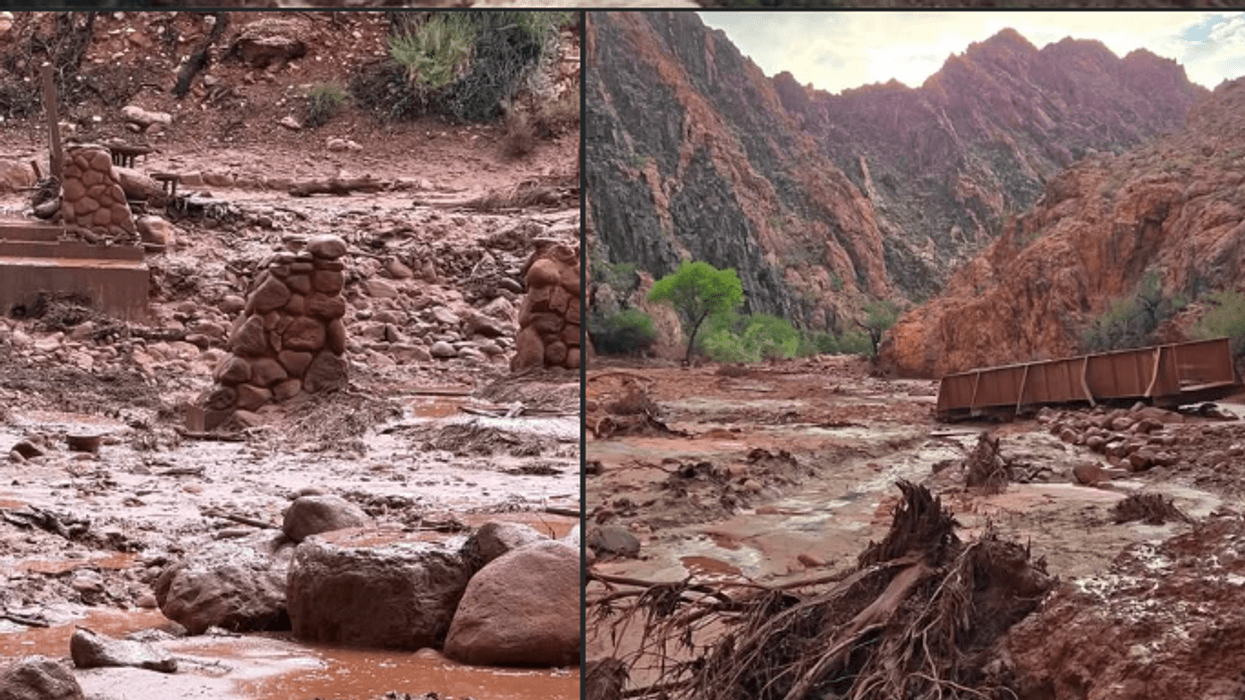

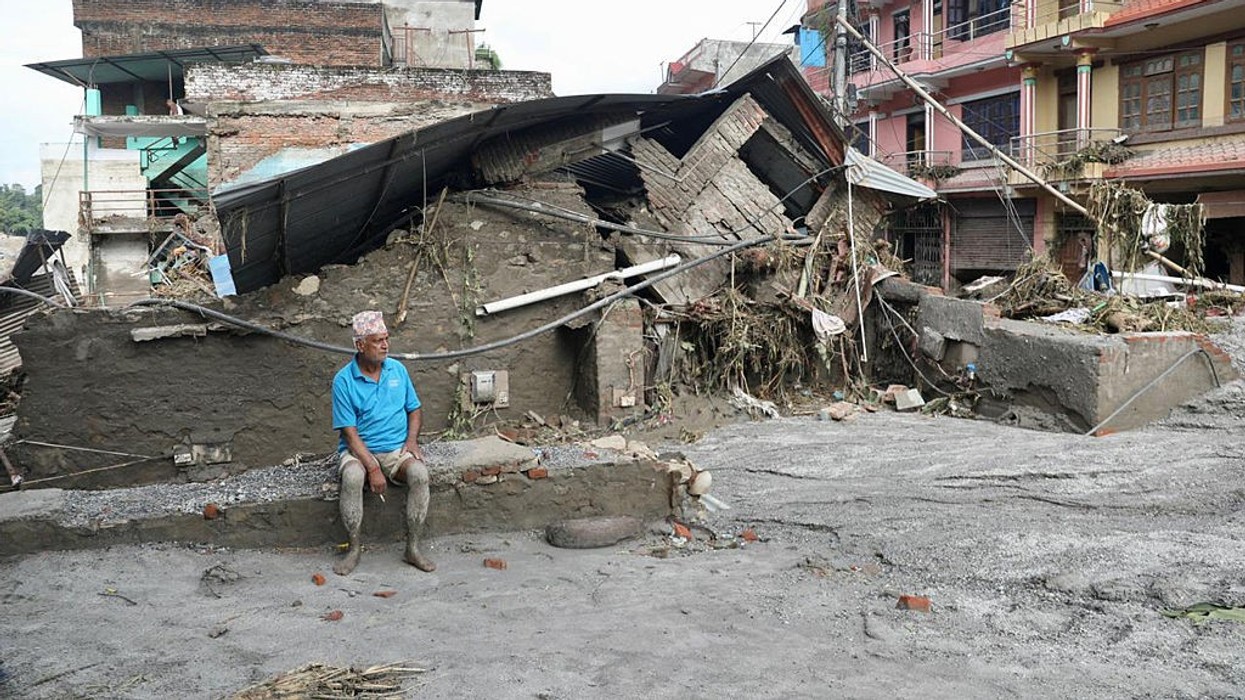
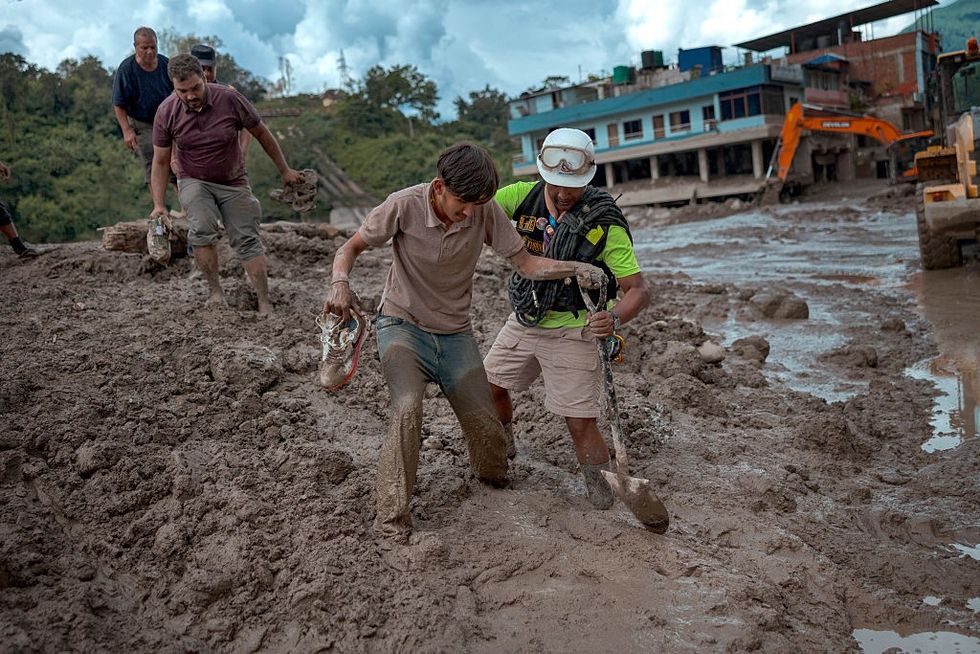 A rescuer assists a resident through heavy mud following flash floods on August 27, 2026 in Trishuli, Nepal. A sudden flood swept through the Bhote Koshi River basin in northern Rasuwa on August 26, damaging settlements, roads and energy infrastructure as rescue teams searched for residents and foreign travellers reported out of contact. Hundreds were reported missing, as the death toll started to climb.Getty Images
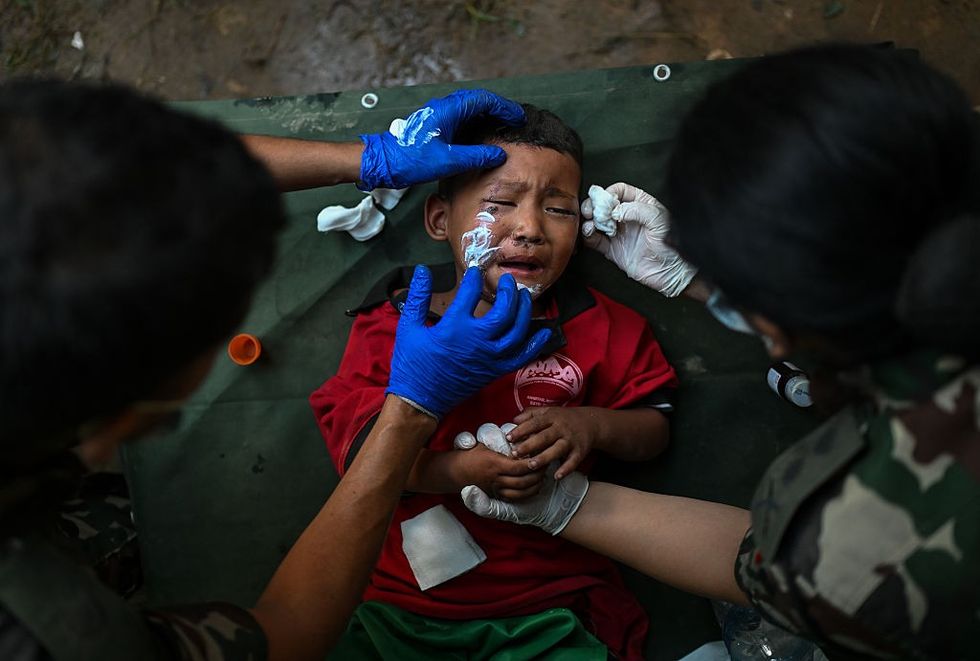 Rescue personnel provide medical treatment to a child at an army rescue camp in Trishuli Batar, Nepal, on August 27, 2026. A sudden flood swept through the Bhote Koshi River basin in northern Rasuwa on August 26, damaging settlements, roads and energy infrastructure, as rescue teams searched for residents and foreign travellers reported out of contact. Hundreds were reported missing as the death toll began to climb. Getty Ima
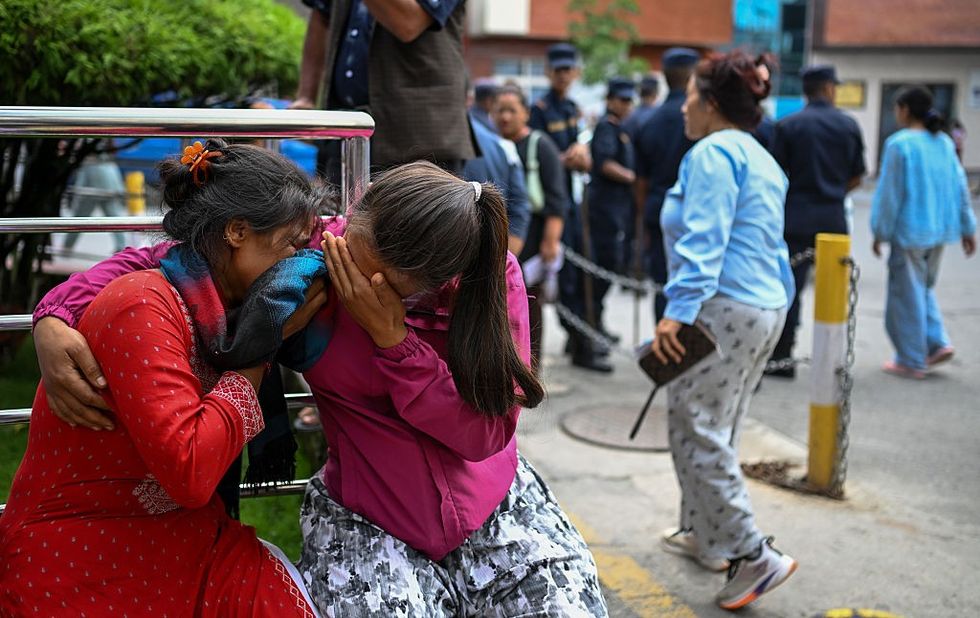 Family members of missing flood victims react at the emergency ward of the Maharajgunj Medical Campus, part of the Tribhuvan University Teaching Hospital, on August 28, 2026 in Kathmandu, Nepal. Authorities said the flash floods were triggered after a mass of ice, mud and rock collapsed into a Himalayan river near the Nepal-China border, leaving hundreds dead or missing and causing widespread damage in affected districts. Authorities continued the gruelling search for victims, many buried under metres of mud, as both China and Nepal issued fresh flooding alerts.Getty Images