
Highlights:
- Conway and Latham added 323 for the first wicket on a green surface
- New Zealand chose to bat first at home for the first time since 2011
- Conway finished Day 1 unbeaten on 178; Latham made 137
- Conditions eased after the opening hour, allowing fluent stroke play
- Conway emphasized patience, discipline, and team-first batting
Devon Conway summed it up simply after stumps: New Zealand wanted to “bat big, bat well, and allow our bowlers to bowl in the fourth innings.” By the end of Day 1 of the third Test against West Indies at Mount Maunganui, that plan had worked almost perfectly.
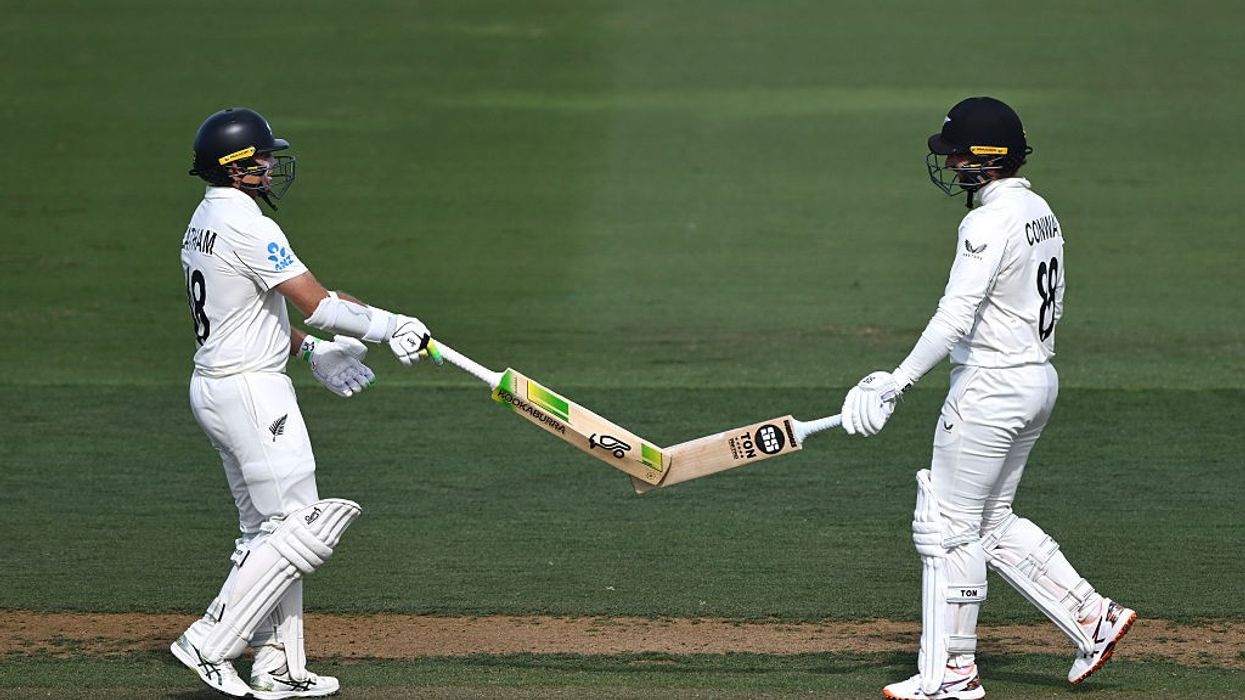
After winning the toss, New Zealand made the bold and unpopular decision to bat first on a green wicket, something they had not done in a home Test since 2011. The surface offered early movement, and the West Indies seamers made the most of it in the opening exchanges. Yet Conway and captain Tom Latham weathered the challenge, laying the foundation for a dominant day with a 323-run opening partnership.
Latham eventually fell late in the day for a superb 137, just before stumps. Conway, however, remained unbeaten on 178 as New Zealand closed on 334 for 1, firmly in control of the match.
Conway revealed that once the team decided to include left-arm spinner Ajaz Patel, the plan to bat first became clear. “Mentally, I knew we were going to bat,” he said. “With the look of the wicket and the makeup of their bowling attack, I felt they would want to bowl first. That confirmed it for us.”
The opening hour was far from comfortable. Conway admitted he struggled early, battling both the moving ball and his own rhythm. “They were bowling really good areas and moving the ball quite a bit,” he said. “I was fighting myself through that first hour. I even told Tom at lunch that I almost felt like I’d forgotten how to bat.”
As the day wore on, conditions changed. The ball softened, the pitch quickened slightly, and run-scoring became easier. Conway capitalized, striking 25 fours and playing with increasing freedom. “Once the wicket sped up and the ball got older, there were scoring opportunities,” he said. “If they missed, I wanted to put them under pressure.”
The innings was particularly significant for Conway, who has struggled for consistency in recent months. Two-thirds of his previous 39 Test innings ended before he reached 30. Rather than focus on those numbers, he emphasized a team-first mindset. “I try not to worry about runs,” he said. “I just focus on doing my role for the team and staying present.”
Conway also praised Latham, calling opening the batting an underappreciated job, especially in New Zealand conditions. “You turn up on day one, see a green pitch, and you know it’s going to do something,” he said. “Tom has played nearly 90 Tests and keeps delivering. A lot of his centuries have come here, and that says a lot.”
Conway will resume on Day 2 just 22 runs short of his second Test double century, but his focus remains narrow. “If you look too far ahead, you get yourself in trouble,” he said. “The goal is to bat long, keep building partnerships, and keep putting pressure on them.”
For now, New Zealand’s plan is working—and Conway intends to stick to it, one ball at a time.