
Highlights:
- India confirms serious disagreements within BRICS over the US–Iran war.
- Consensus is difficult due to direct involvement of some member nations.
- India urges diplomacy, restraint, and immediate de-escalation.
- Ongoing conflict is impacting global energy flows, including India’s oil supplies.
- High-level talks between India and Iran underline continued diplomatic engagement.
India has confirmed that the ongoing conflict between the United States and Iran has created significant disagreements within the BRICS grouping, making it difficult to achieve a unified position. The Ministry of External Affairs (MEA) stated that while consensus remains challenging, India continues to engage actively with all member nations.
Speaking on the issue, MEA spokesperson Randhir Jaiswal explained that BRICS operates on a consensus-based framework. However, the current situation is particularly complex because several member countries are directly or indirectly involved in the conflict. This has led to divergent viewpoints within the bloc, complicating efforts to present a collective stance.
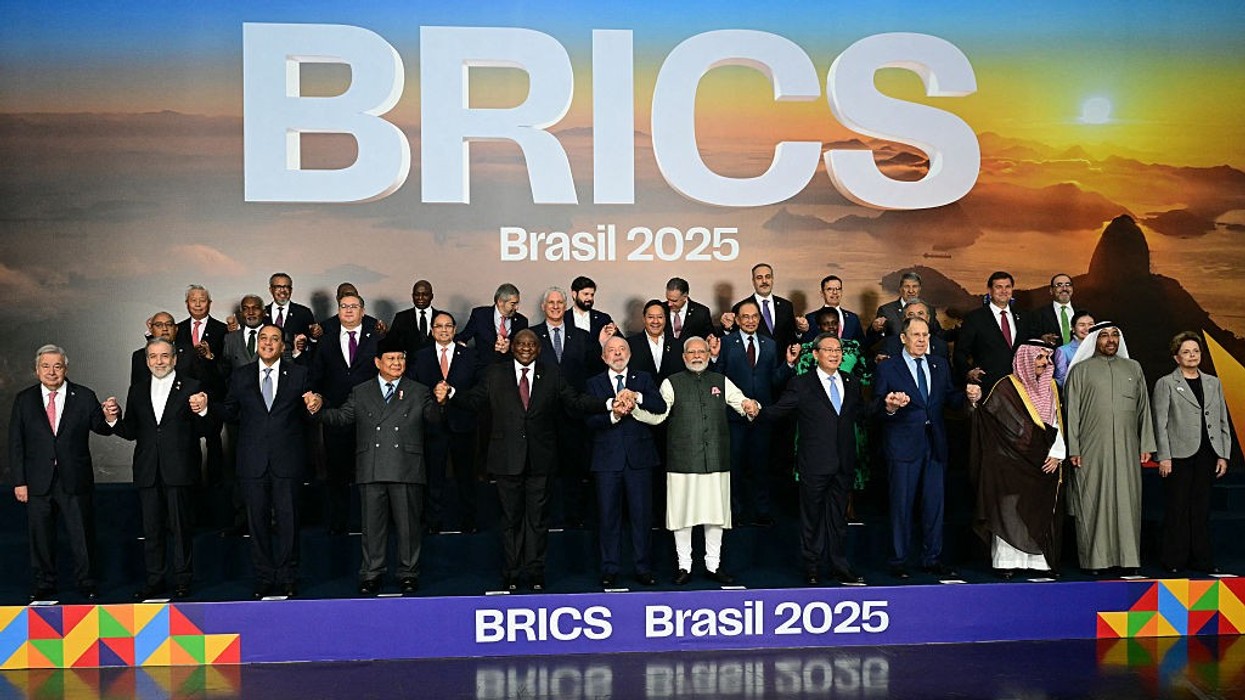
India currently holds the presidency of BRICS, a group comprising major emerging economies, including Brazil, China, Egypt, Ethiopia, India, Indonesia, Iran, Russia, Saudi Arabia, South Africa, and the United Arab Emirates. Despite internal disagreements, India has emphasized that dialogue remains ongoing among all stakeholders.
Addressing the broader conflict, India reiterated its consistent position advocating for diplomacy and restraint. Jaiswal stressed the importance of establishing communication channels to de-escalate tensions and bring the conflict to a swift resolution. He also called on all involved nations to act responsibly and avoid further escalation that could destabilize the region.
The war between the United States and Iran has now entered its 18th day, with no clear end in sight. The prolonged conflict is already having tangible consequences, particularly for global energy supplies. India, which relies heavily on oil shipments passing through the Strait of Hormuz, has been closely monitoring the situation and engaging in discussions with Tehran to mitigate disruptions.
In recent diplomatic efforts, India’s External Affairs Minister S. Jaishankar held a phone conversation with Iranian Foreign Minister Seyed Abbas Araghchi on March 13. The discussion covered both bilateral relations and issues related to BRICS, reflecting the importance of maintaining communication during the crisis.
According to Iranian sources, Araghchi briefed Jaishankar on the evolving situation, including what Iran described as aggressive actions by the United States and Israel, and their implications for regional and global security. The conversation highlighted the urgency of diplomatic engagement as tensions continue to rise.
Earlier, Indian Prime Minister Narendra Modi also spoke with Iranian President Masoud Pezeshkian to review the unfolding crisis. During the discussion, Modi expressed concern over the escalating violence, particularly the loss of civilian lives and damage to infrastructure.
The developments underscore the challenges facing BRICS as a platform for global cooperation. While the bloc is designed to facilitate dialogue on major political and economic issues, the current conflict has exposed the limits of consensus when member states have conflicting interests.
Despite these hurdles, India has reaffirmed its commitment to constructive engagement within BRICS and beyond. By advocating diplomacy and maintaining open lines of communication, New Delhi aims to contribute to efforts that could eventually lead to de-escalation and stability in the region.