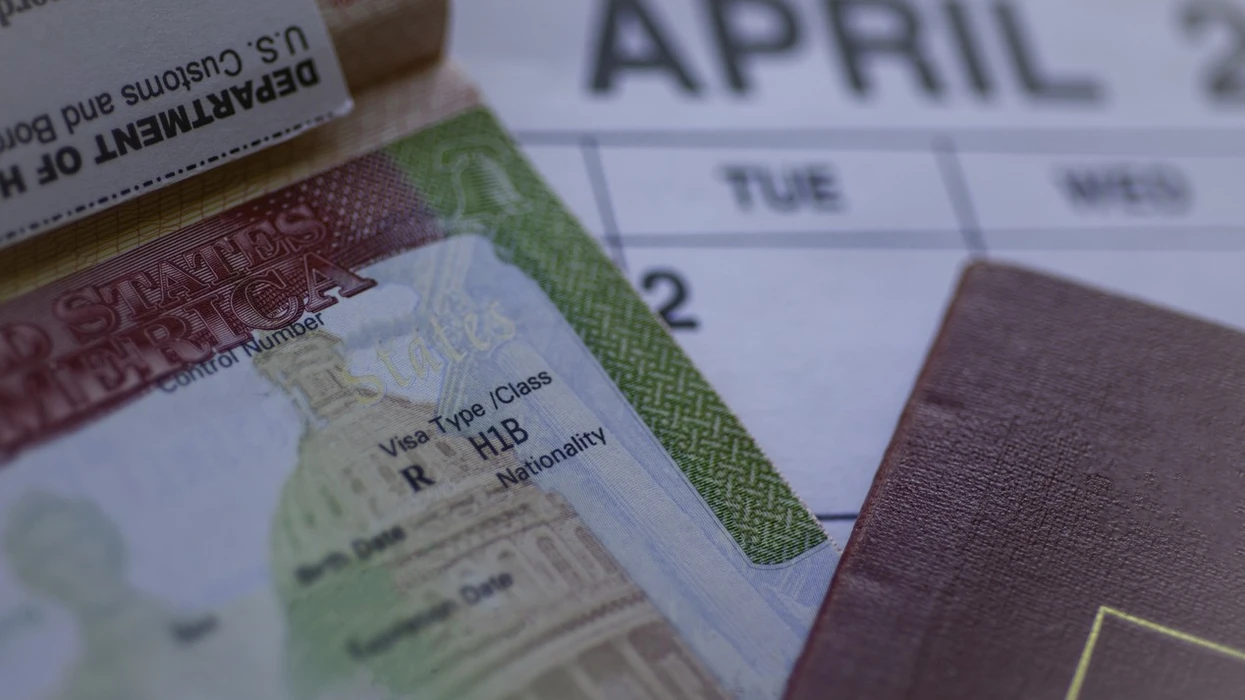

- The H-1B annual cap remains 85,000, but 2026 denial rates have increased.
- Indian nationals continue to receive over 70 per cent of approved H-1B visas.
- Fraud rings use fake degrees, shell companies, and proxy interviews.
- U.S. agencies have expanded audits, site visits, and wage verification rules.
- Applicants must verify employers, documentation, and compliance to avoid rejection or bans.
The H-1B visa program remains one of the most sought-after US work visas in 2026. It has been designed to allow American employers to hire highly skilled foreign professionals, primarily in technology, engineering, healthcare, and finance. The program continues to generate debate over fraud, job displacement, and enforcement.
Here’s what the latest data, investigations, and rule changes reveal.
The H-1B cap and 2026 numbers
The annual H-1B cap remains at 85,000 new visas, 65,000 under the regular cap, and 20,000 reserved for applicants with advanced US degrees. Universities and nonprofit research institutions are exempt from the cap.
In FY2026, demand again far exceeded supply. According to preliminary government releases:
- Over 780,000 electronic registrations were submitted for the FY2026 lottery.
- Approximately 120,000 were selected to account for expected denials and drop-offs.
- Indian nationals received roughly 72–74 per cent of approved H-1B visas.
- Chinese applicants accounted for about 11–12 per cent.
The dominance of Indian applicants reflects the heavy participation of Indian IT firms and skilled professionals in the U.S. tech ecosystem. However, it has also fueled scrutiny.
The US Consulate in Chennai, one of the busiest H-1B processing centers, reportedly handled more than 200,000 H-1B and related H-4 visa applications in 2025, prompting questions about geographic concentration and oversight.
How fraudsters exploit the H-1B system
Fraud in the H-1B system is not new, but in 2026, enforcement agencies described increasingly sophisticated schemes.
"As an Indian-American, I hate to say this, but fraud and bribery are normalised in India," Siddiqui stated in a Center for Immigration Studies podcast.
Economist Dave Brat echoed: "71 per cent of H-1B visas come from India... one district in India, the Madras (Chennai) district, got 220,000. That's 2.5 times the cap... That's the scam." He added, "When one of these folks comes over and claims they're skilled, they're not; that's the fraud. They're taking away your family's job."
1. Fake documentation
Fraud rings create forged academic degrees, transcripts, employment verification letters, and technical certifications. Some applicants falsely claim specialized experience to meet eligibility requirements.
2. Shell companies
Scammers register shell US companies to file petitions without legitimate job openings. These “paper employers” exist only to sponsor visas.
3. Multiple lottery entries
In recent years, some companies filed multiple registrations for the same individual through related entities to increase lottery odds. New USCIS reforms now target this abuse.
4. Proxy interviews
In cities like Hyderabad’s Ameerpet district, investigators have identified coaching centers that train applicants to pass technical interviews or even arrange proxy candidates to take remote assessments.
An Indian Reddit user mentioned the local scams in India, especially in Hyderabad with username edditor_1886777, "I am from Hyderabad, Telangana (South India) where this scam is very high. Each fake employee gets more than 5 petitions and thus taking away chances from Masters students and other genuine candidates. I reported few fake companies like this to USCIS that cheated H1b system and fake promised people by taking lot of money upfront."
5. Wage manipulation
Some outsourcing firms have been accused of underpaying H-1B workers below prevailing wage standards, pocketing the difference while displacing US workers. These patterns have triggered a significant federal response. Older cases include wage theft; a 2021 EPI report found that HCL subcontractors underpaid H-1B workers by $95 million at firms such as Disney and Google, displacing U.S. staff.
A Reddit user with the name yung_millennial defended some firms skeptically, saying, "I’m not saying this company is legit, but the burden of proving they’re not legit is much higher than you think and a shitty website means nothing. Truthfully a lot of these small companies will hire someone, pay them 60-70k, and hire them out for 100-150 an hour. They’re not scamming for H1Bs, they’re just scamming for money."
What US agencies are doing in 2026?
Several agencies, including the US Citizenship and Immigration Services (USCIS), the Department of Homeland Security (DHS), and the US Immigration and Customs Enforcement (ICE), have ramped up enforcement. The USCIS implemented a beneficiary-based lottery system to prevent duplicate registrations from inflating the chances of selection. Each individual is entered once, regardless of the number of employer registrations.
Fraud Detection and National Security (FDNS) officers now conduct more surprise workplace inspections to confirm job legitimacy, wages, and job duties.
Requests for Evidence (RFEs) have increased in 2026, especially for entry-level IT roles. Officers demand clearer proof of 'specialty occupation' qualifications. The Department of Labor has tightened prevailing wage audits to prevent underpayment and labor substitution.
DHS and ICE conduct raids on outsourcing firms, while new rules mandate higher wage proofs and limit renewals. FY2025 saw fewer Indian company approvals in the top tiers, signaling tighter lottery and denial rates. Consular officers now cross-check documents rigorously, targeting hotspots like Ameerpet. These steps aim to curb "displacement" of US workers, though backlogs persist for legitimate applicants.
ICE has pursued criminal cases against consultancies found running visa rackets. Petition revocations and multi-year bans have followed confirmed fraud cases.
The result: Approval rates remain high for legitimate, well-documented cases—but scrutiny is significantly stricter.
Why fraud hurts genuine applicants?
Fraud has consequences beyond individual cases:
- It slows down processing times.
- It increases RFEs for honest applicants.
- It damages trust between US employers and foreign professionals.
- It fuels political backlash against skilled immigration.
At the same time, US companies continue to rely on skilled international workers to drive innovation, particularly in AI, cloud computing, and semiconductor design. Balancing enforcement with access remains a central policy challenge.
What applicants should watch out for in 2026?
If you’re applying for an H-1B visa, protecting yourself is critical. Ensure the sponsoring company is legitimate, operational, and paying the prevailing wage. Avoid 'consultancies' that promise guaranteed lottery selection. Even minor misrepresentations can lead to permanent visa bans.
The US agencies use digital verification and cross-checking systems. The position must qualify as a 'specialty occupation.' Generic job titles without technical specificity are red flags. Participating in duplicate or shell-company registrations can result in disqualification under new beneficiary-based rules.
Maintain records of your petition, Labor Condition Application (LCA), and employer communications. Consular officers often verify technical knowledge during interviews. Misrepresentation can lead to immediate denial. The H-1B program remains a cornerstone of skilled migration to the United States. While Indian professionals continue to dominate allocations, enforcement measures are reshaping how petitions are reviewed.
Fraud investigations are rising, but so is transparency. For genuine applicants with strong qualifications and legitimate job offers, approval remains achievable.
The message from US authorities in 2026 is clear: Skilled talent is welcome, but shortcuts are not.









 Kiara Ali Advani with familyInstagram/@kiaraaliaadvani
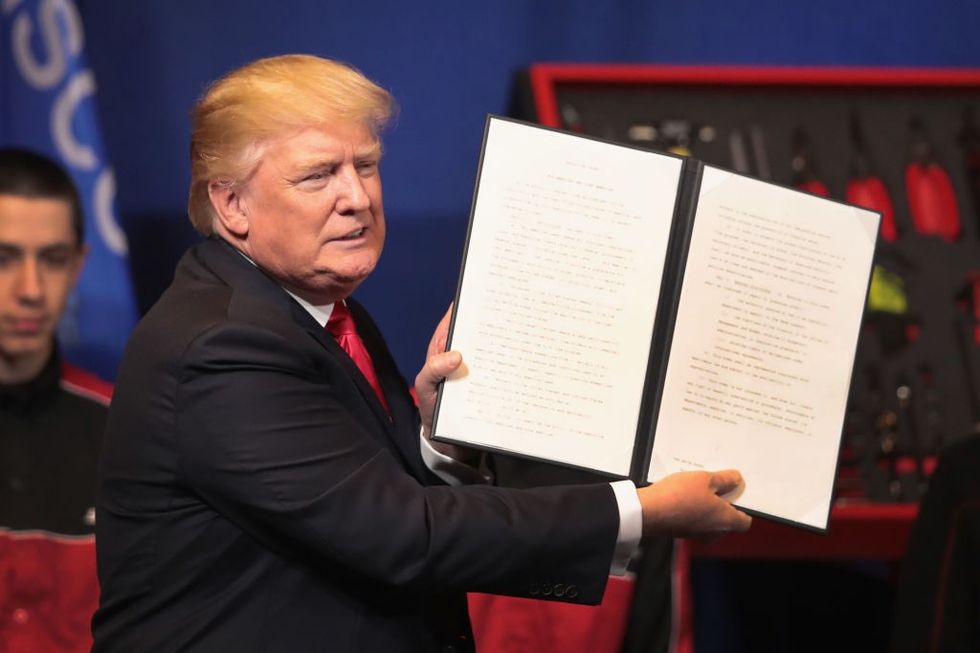 President Donald Trump signs an executive order to try to bring jobs back to American workers and revamp the H-1B visa guest worker program during a visit to the headquarters of tool manufacturer Snap-On on April 18, 2017 in Kenosha, Wisconsin. Getty Images