
Highlights:
- Taco Bell’s Butter Chicken Taco wins 65 per cent in US vote
- Limited-time launch planned in the US for 2026
- Dish blends Indian flavors with a crispy chalupa shell
- Butter chicken originated in Delhi in the 1950s
- Global adaptations include pizza, wraps, and pies
India's most popular dish, 'Butter Chicken', is now getting popular in the United States, after global fast-food chain Taco Bell introduced Butter Chicken Taco as the winner of 'Global Taco Vote', where there was another competitor, 'Thailand's Kickin Chicken Taco.'
The Indian option won decisively, securing 65 per cent of the total votes, reflecting the growing appeal of Indian flavors among mainstream US diners.
Butter chicken, which was once largely confined to Indian communities and 'Little India' neighborhoods, has steadily gained widespread popularity in the US. Today, it is considered one of the most recognized and widely enjoyed international dishes is getting a new version in the form of a taco.
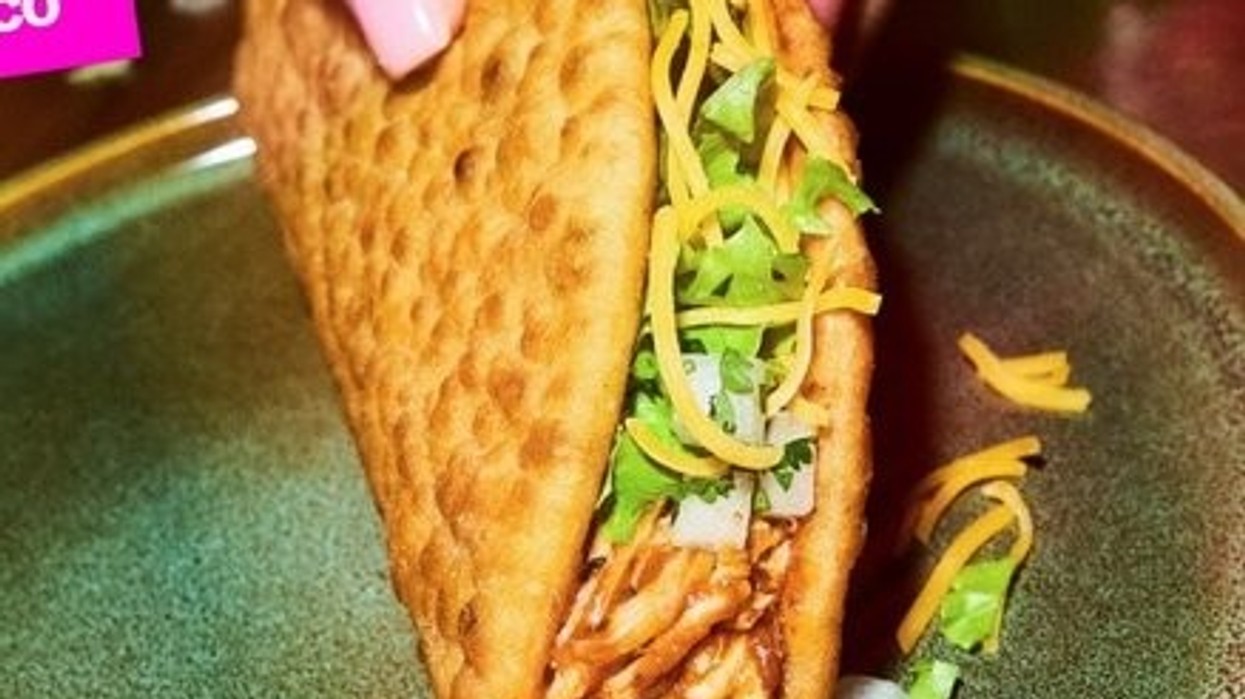
The taco features shredded, slow-roasted chicken cooked in a rich tomato-cream sauce infused with Indian spices. It is served in a crispy fried chalupa shell, offering a texture comparable to a well-prepared paratha. The dish represents a fusion of Indian culinary tradition with Taco Bell’s signature format.
According to the Houston-based food blogger, butter chicken serves as an ideal 'bridge' dish. It also resonates with Indian-Americans who grew up with the Indian flavor with a tinge of American food. The blogger noted that such fusion foods reflect cultural identity in diverse communities like Missouri City and Sugar Land.
Despite the excitement surrounding the launch, some Indians living in the United States have expressed skepticism. They question whether a large fast-food chain can replicate the complexity and depth of a traditional makhani sauce, which is typically prepared in specialized Indian kitchens. For many, the authenticity of flavor will be the ultimate test.
Amy Ellis Durini, Chief Marketing and Strategy Officer for Taco Bell International, stated that the initiative celebrates the creativity of the brand’s global menu offerings. She emphasized that the Butter Chicken Taco has developed a strong following in India and expressed enthusiasm about introducing it to American consumers. The product is expected to be released as a limited-time offering later in 2026.
The original Butter chicken, also known as murgh makhani, is a classic curry made with chicken cooked in a tomato-based sauce enriched with butter, giving it a creamy and smooth texture. It is often compared to chicken tikka masala due to similarities in its tomato-based preparation.
The dish originated in the Indian capital city Delhi in the 1950s at the Moti Mahal restaurant in the Daryaganj area. It was reportedly created by Kundan Lal Jaggi, a Punjabi Hindu refugee from Pakistan's Peshawar, who improvised the recipe by combining leftover tandoori chicken with a butter-rich tomato puree.
Over time, butter chicken gained international popularity. By 1975, it appeared on menus in Manhattan, and it has since been adapted in various forms worldwide, including as fillings in pizza, poutine, wraps, and pies in countries such as Canada, Australia, and New Zealand. It remains widely consumed across South Asia and regions with significant South Asian diaspora populations.
The preparation involves marinating chicken in yogurt, lemon juice, spices, and aromatics before cooking it in a tandoor or similar methods. The sauce is made with tomato, butter, garlic, and ginger, simmered to achieve a smooth consistency, often enhanced with spices like cardamom, cumin, cloves, and dried fenugreek leaves.










 Outlook
 A Kashmiri craftswoman weaves a silk carpet at a factory in SrinagarTauseef Mustafa/AFP via Getty Images
 A worker weaves a carpet at a factory on the outskirts of JammuAlok pathania/AFP via Getty Images
 A worker checks thread reels at a carpet factory in JammuAlok pathania/AFP via Getty Images
 Getty Images