For Indian National Congress leader Rahul Gandhi, history came full circle on Friday (24) when the secretariat of India's Lok Sabha or Lower House of parliament disqualified him from being a member of parliament following his conviction in a criminal defamation case a day earlier by a court in the western state of Gujarat.
The former Congress chief's disqualification from the lower chamber comes under an order of the Supreme Court of India that his party itself had tried to overturn using an ordinance in 2013 when it was in power in Delhi.
In April 2013, the apex court had held that members of India's parliament and legislative assembly convicted with a minimum sentence of two years would be disqualified from the house/assembly immediately without getting three months to appeal, as the case was then.
In September the same year, The Congress-led United Progressive Alliance government of Manmohan Singh rushed an ordinance seeking to overturn the rule that disqualifies convicted lawmakers.
Gandhi, who was the party's vice president then, openly opposed the party's decision as "complete nonsense" and even tore up a piece of paper at a press conference suggesting his disapproval.
"I personally think what the government is doing on the ordinance is wrong. It was a political decision, every party does it, and there is a time to stop this nonsense... If we actually want to stop corruption then we cannot make these compromises," Gandhi had said underscoring a seeming division within his party.
He said the ordinance should be "torn and thrown out" before tearing up the paper.
Gandhi faced criticism for allegedly belittling his own party's government and prime minister who were battling against a growing anti-incumbency wave, thanks to corruption cases against the UPA II government.
The embattled government scrapped the ordinance and less than a year after that incident, the Bharatiya Janata Party (BJP) came to power and Narendra Modi became the prime minister.
Fast forward to today, the Lok Sabha disqualified Gandhi over his conviction in a criminal defamation case filed by a BJP leader in Gujarat for allegedly asking whether people with the surname "Modi" are "thieves".


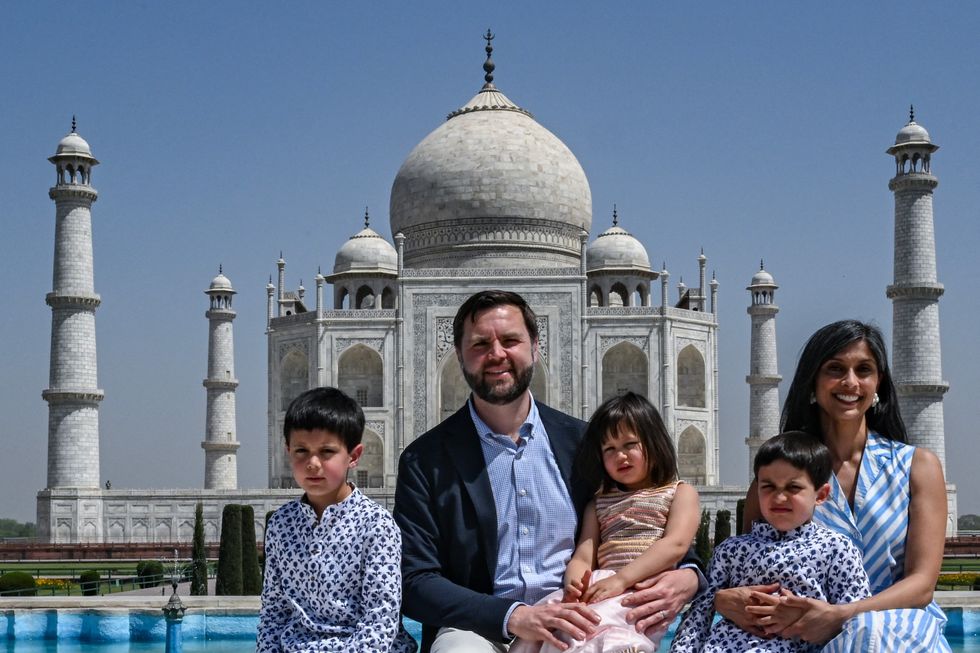 The couple during their visit to the Taj Mahal in Agra earlier this yearxx




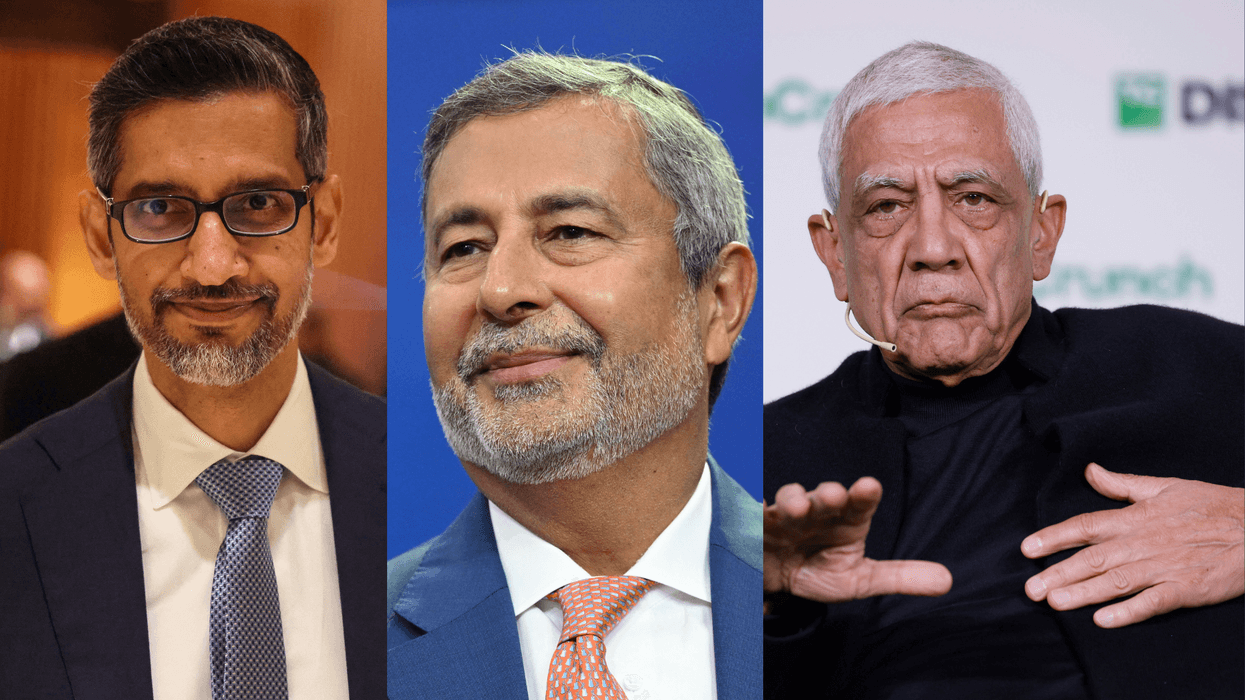
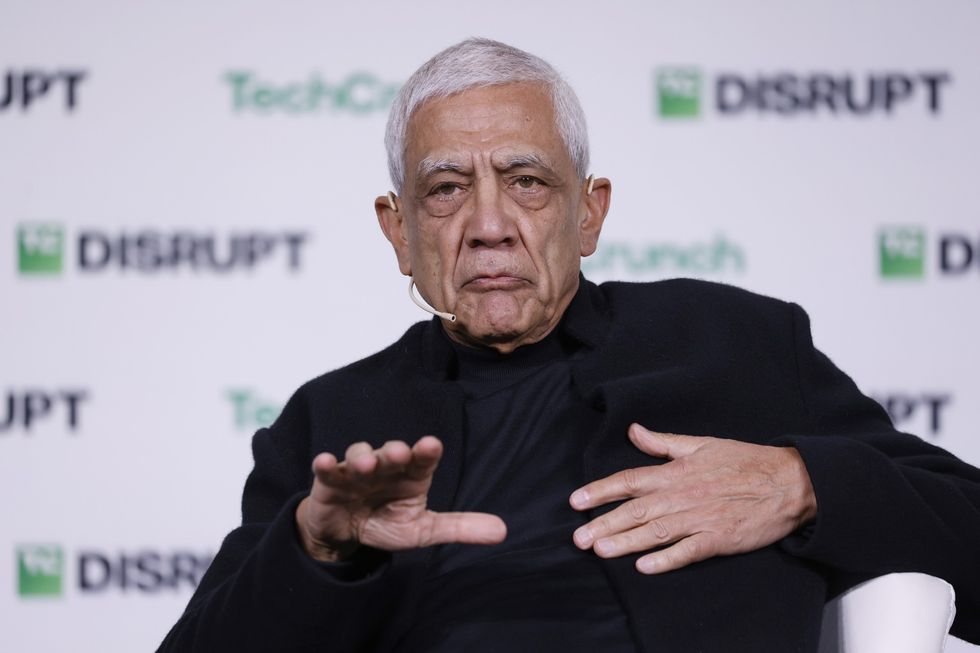 SAN FRANCISCO, CALIFORNIA - OCTOBER 28: Vinod Khosla, Founder, Khosla Ventures, speaks onstage during day two of TechCrunch Disrupt 2025 at Moscone Center on October 28, 2025 in San Francisco, California. (Photo by Kimberly White/Getty Images for TechCrunch)Getty Images
 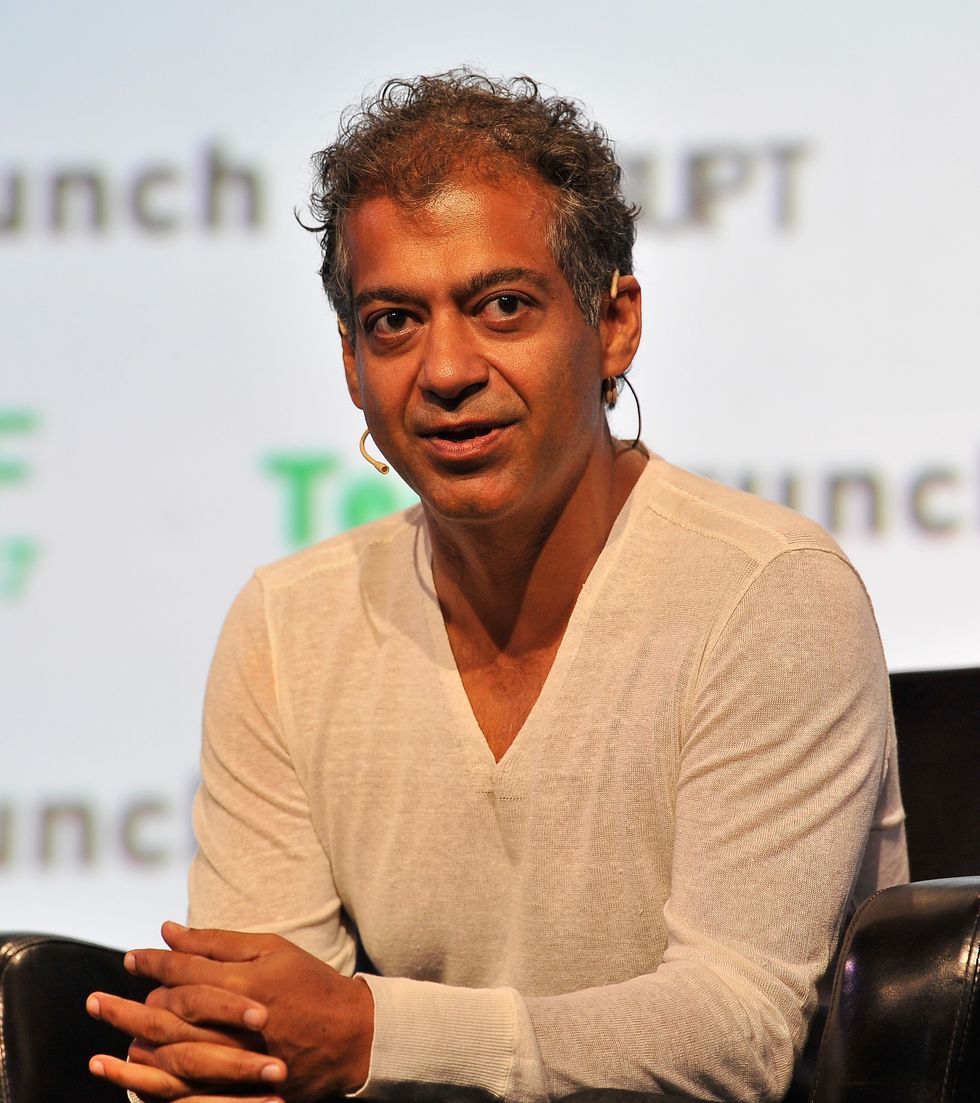 SAN FRANCISCO, CA - SEPTEMBER 18: AngelList Co-Founder and CEO Naval Ravikant speaks onstage during TechCrunch Disrupt SF 2017 at Pier 48 on September 18, 2017 in San Francisco, California. (Photo by Steve Jennings/Getty Images for TechCrunch)Getty Images
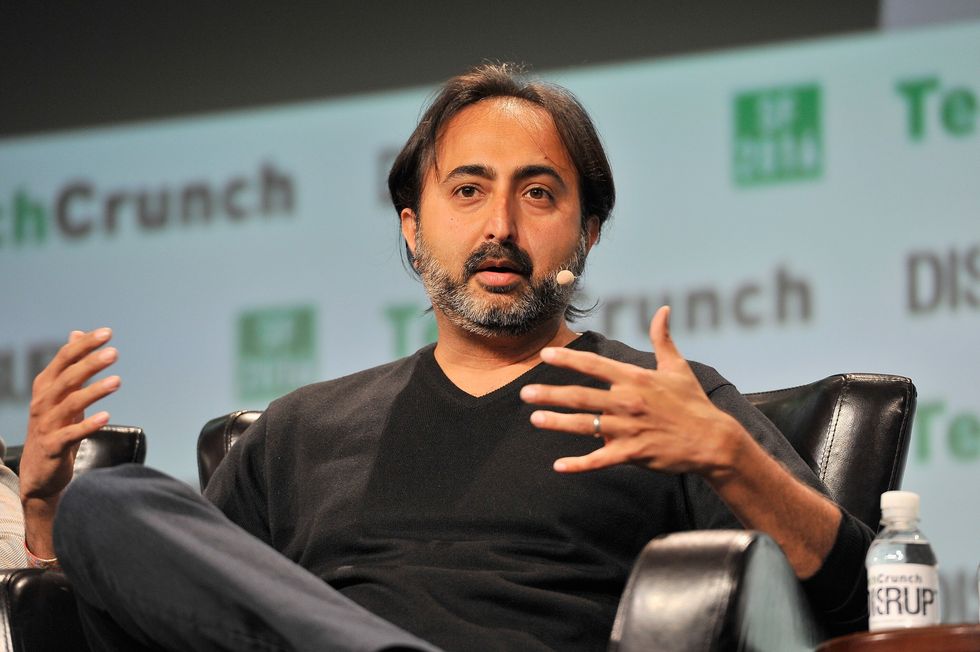 SAN FRANCISCO, CA - SEPTEMBER 14: Managing Director of General Catalyst Hemant Taneja speaks onstage during TechCrunch Disrupt SF 2016 at Pier 48 on September 14, 2016 in San Francisco, California. (Photo by Steve Jennings/Getty Images for TechCrunch)Getty Images
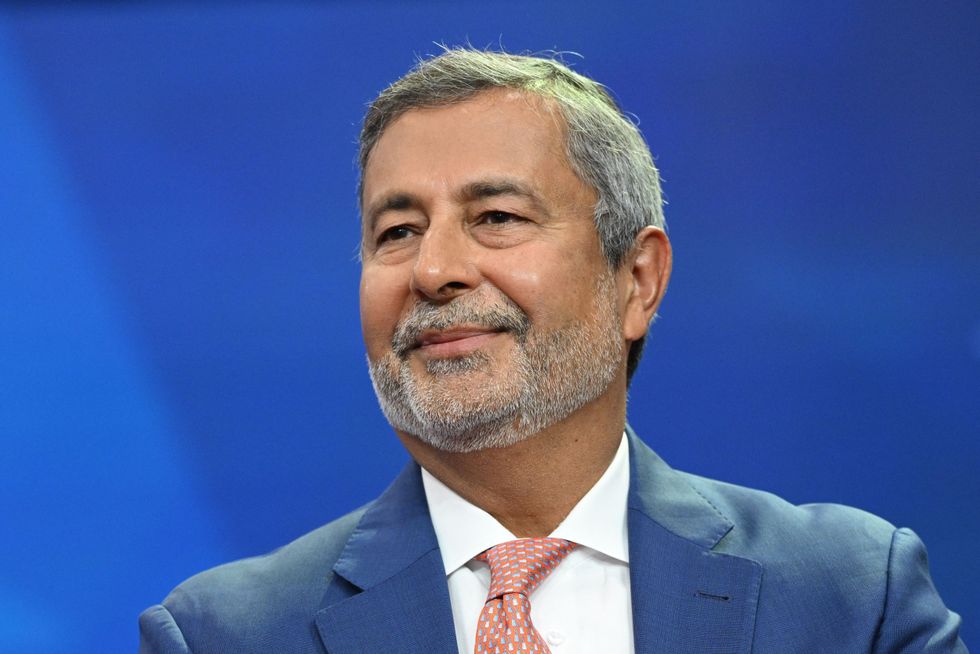 CEO of Micron Technology Sanjay Mehrotra, listens to US President Joe Biden speak about manufacturing, at the SRC Arena and Events Center of Onondaga Community College in Syracuse, New York on October 27, 2022. (Photo by MANDEL NGAN / AFP) (Photo by MANDEL NGAN/AFP via Getty Images)Getty Images
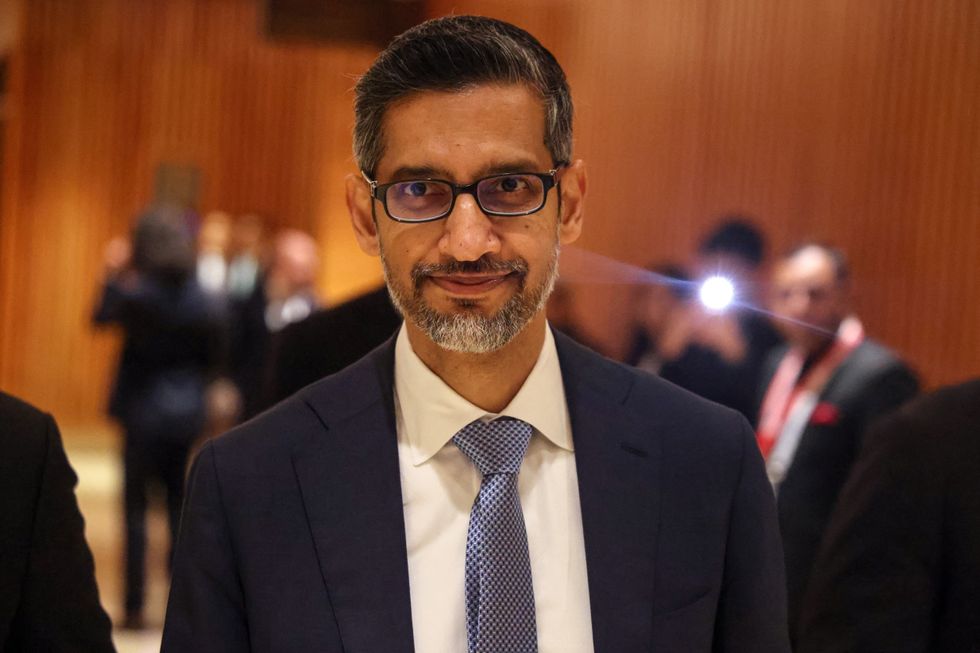 Google CEO Sundar Pichai looks on during the AI Impact Summit in New Delhi on February 19, 2026. (Photo by Ludovic MARIN / AFP via Getty Images)Getty Images
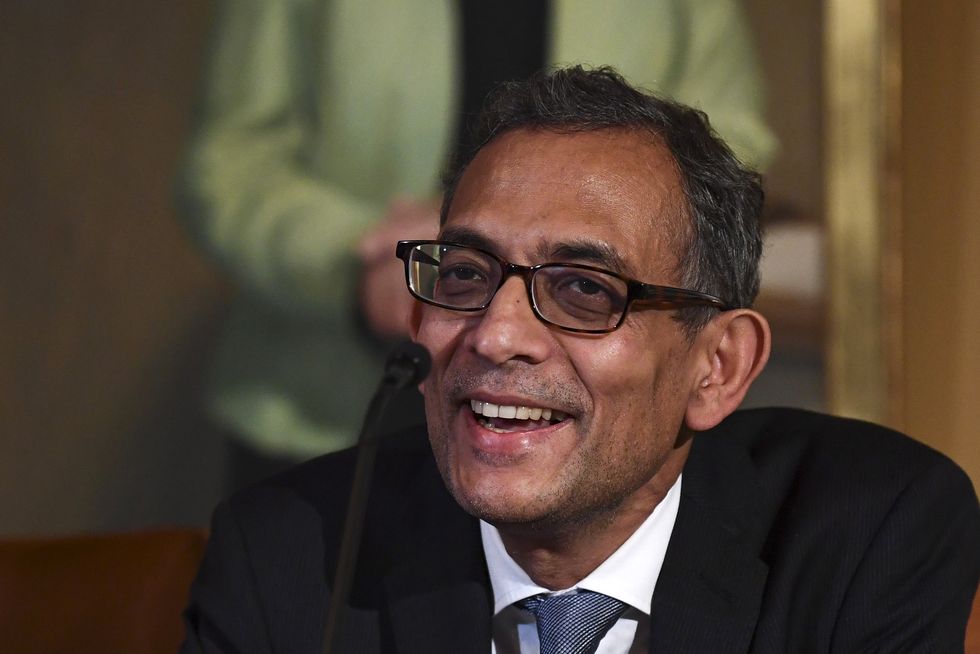 Indian born Abhijit Banerjee, laureate of Prize in Economic Sciences in Memory of Alfred Nobel 2019, speaks during a press conference with the Nobel physics, chemistry and economics laureates at the Royal Swedish Academy of Sciences, on December 7, 2019 in Stockholm, Sweden. (Photo by Jonathan NACKSTRAND / AFP) (Photo by JONATHAN NACKSTRAND/AFP via Getty Images)Getty Images
 NEW YORK, NEW YORK - FEBRUARY 12: Padma Lakshmi attends Gold House's Lunar New Year Gold Celebration at Chinese Tuxedo on February 12, 2026 in New York City. (Photo by Noam Galai/Getty Images for Gold House)Getty Images
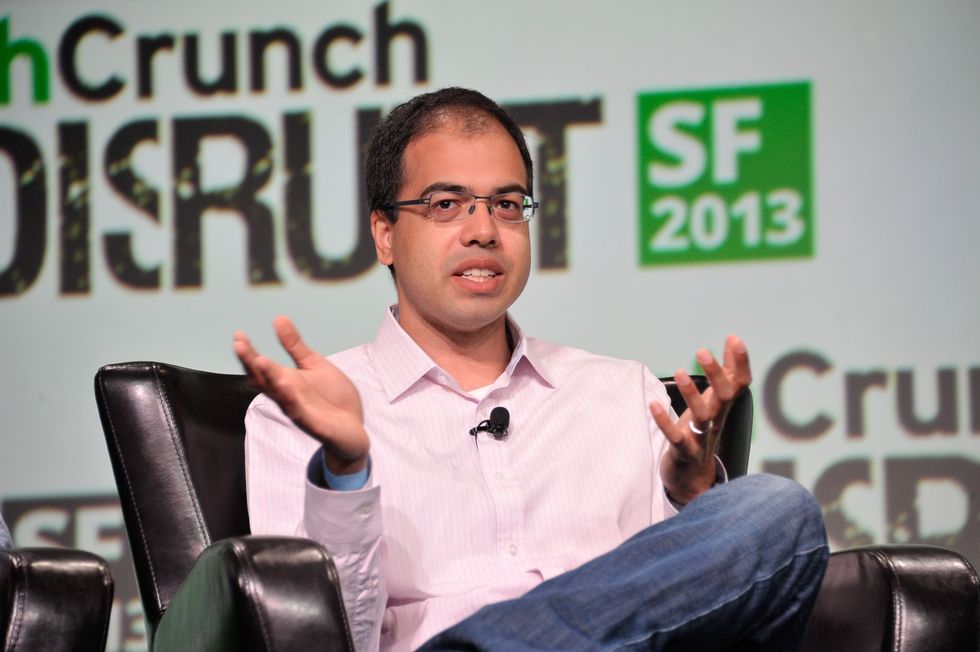 SAN FRANCISCO, CA - SEPTEMBER 10: Sanjit Biswas attends Day 2 of TechCrunch Disrupt SF 2013 at San Francisco Design Center on September 10, 2013 in San Francisco, California. (Photo by Steve Jennings/Getty Images for TechCrunch) Getty Images
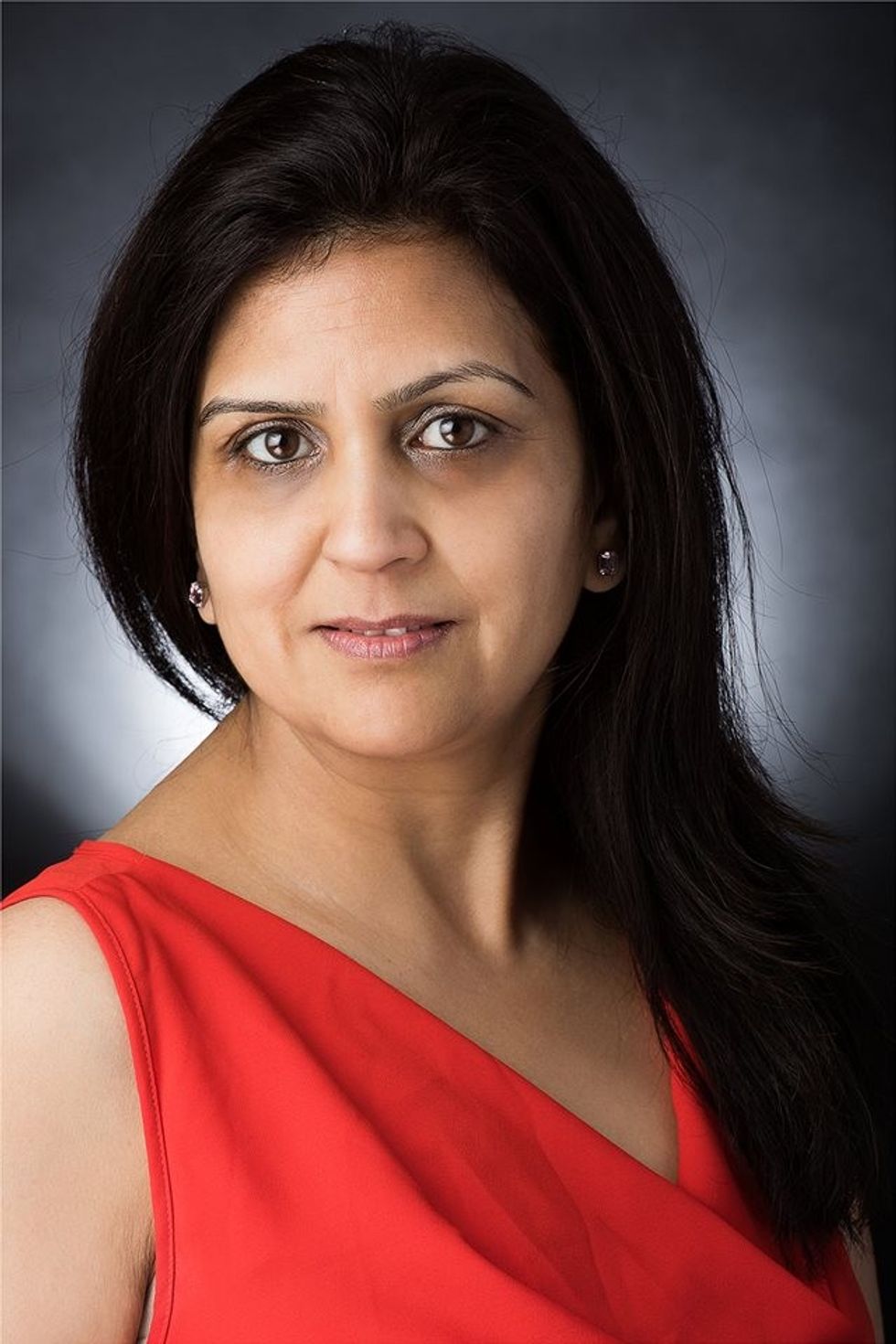 Neerja Sethi (Photo credits: iMDB)
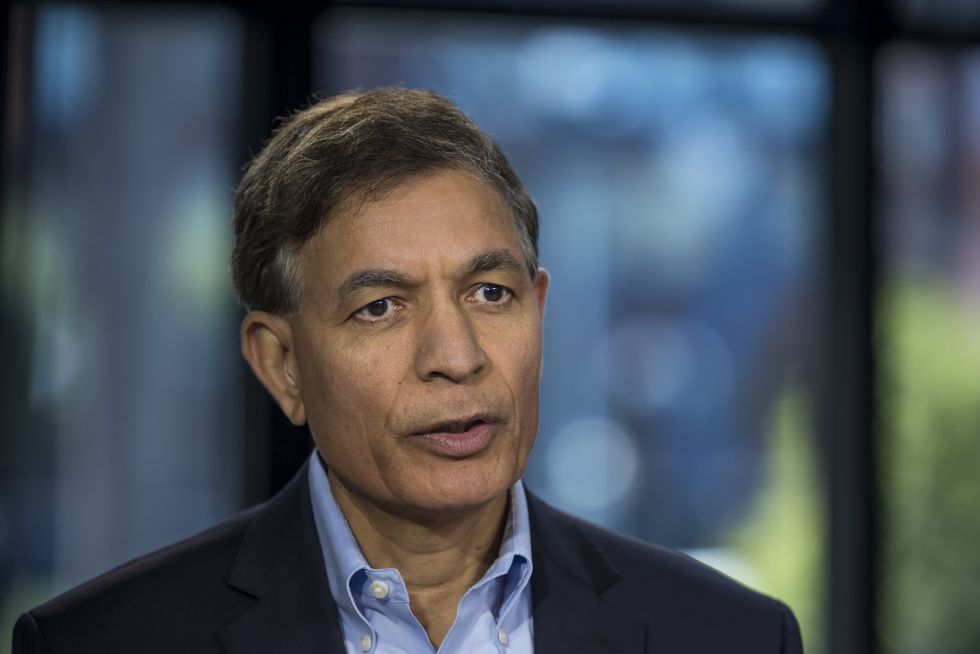 Jay Chaudhry(Photo credits:
 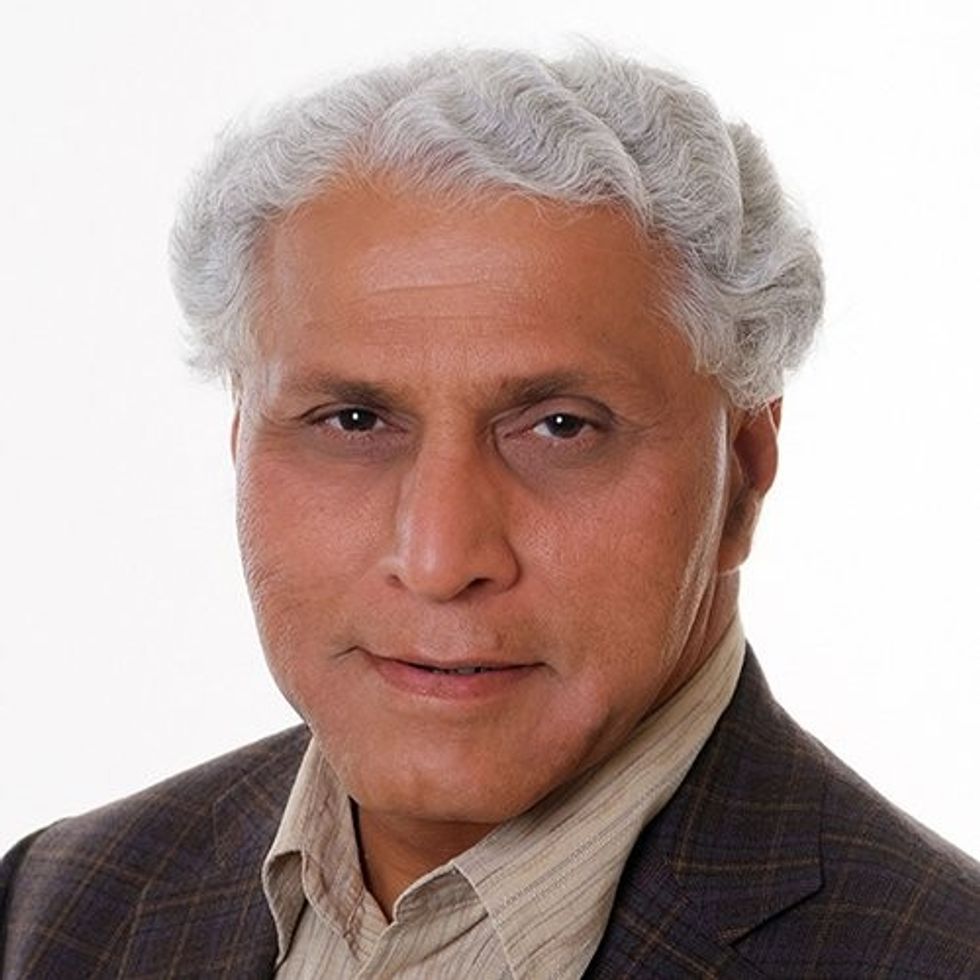 Romesh T Wadhwani(Photo credits: www.csis.org)