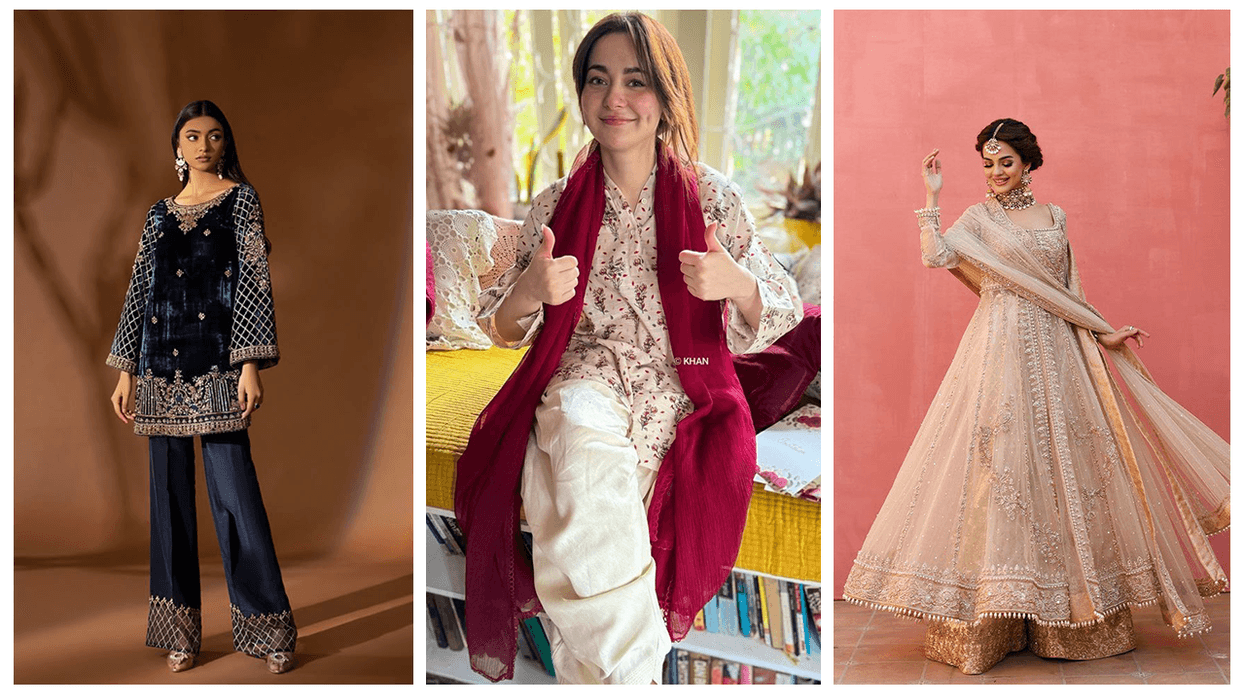

As Ramadan 2026 approaches, wardrobes across South Asia are receiving a soft and elegant refresh. Once again, the biggest inspiration is not the runway but Pakistani television. Over the past decade, Pakistani serials have shaped a fashion language built on modesty, minimal makeup, rich yet breathable fabrics, and timeless cuts.
This “Pakistani Drama Aesthetic” blends Mughal charm with modern simplicity, making it perfect for Ramadan evenings, Taraweeh prayers, intimate iftar gatherings, and grand Eid celebrations. The influence travels easily across borders, inspiring women in India and beyond to embrace refined silhouettes and graceful styling during the holy month.
The regal Pishwas revival
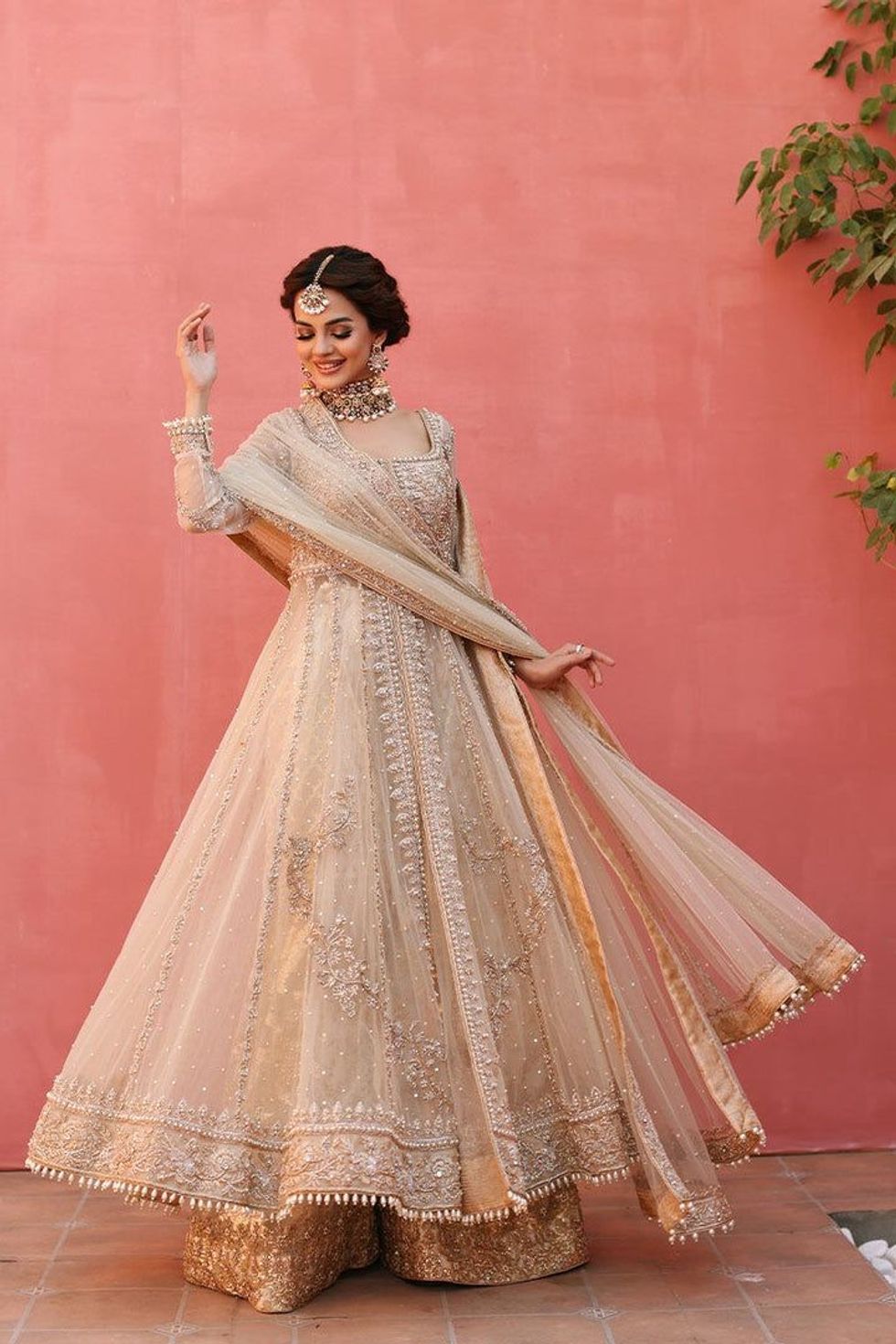 The Pishwa Look, floor-length silhouettenameerabyfarooq.com
Inspired by Noor Jahan, the character Noor Bano, played by Kubra Khan, has brought the grand pishwas back into festive fashion. This floor-length silhouette features a fitted bodice that opens into a dramatic flare, often crafted with 10 to 12 meters of fabric to create a sweeping ghera. The movement of the flare gives a royal feel, especially during evening gatherings.
Designers are choosing organza layered over silk linings and pure chiffon for a softer fall. Jamawar borders add richness to the hemline, while antique gold zari embroidery and delicate gota patti work enhance the traditional appeal. Sleeves are often hand-finished with scalloped edges for added refinement. Makeup leans toward matte glam, with kohl-lined eyes, soft contouring, and muted berry or nude lips. Hair is styled in loose waves or a sleek center-parted bun. This look works beautifully for Laylat al-Qadr nights and Eid dinners because it offers full coverage while still feeling grand.
Lawn and lace for everyday elegance
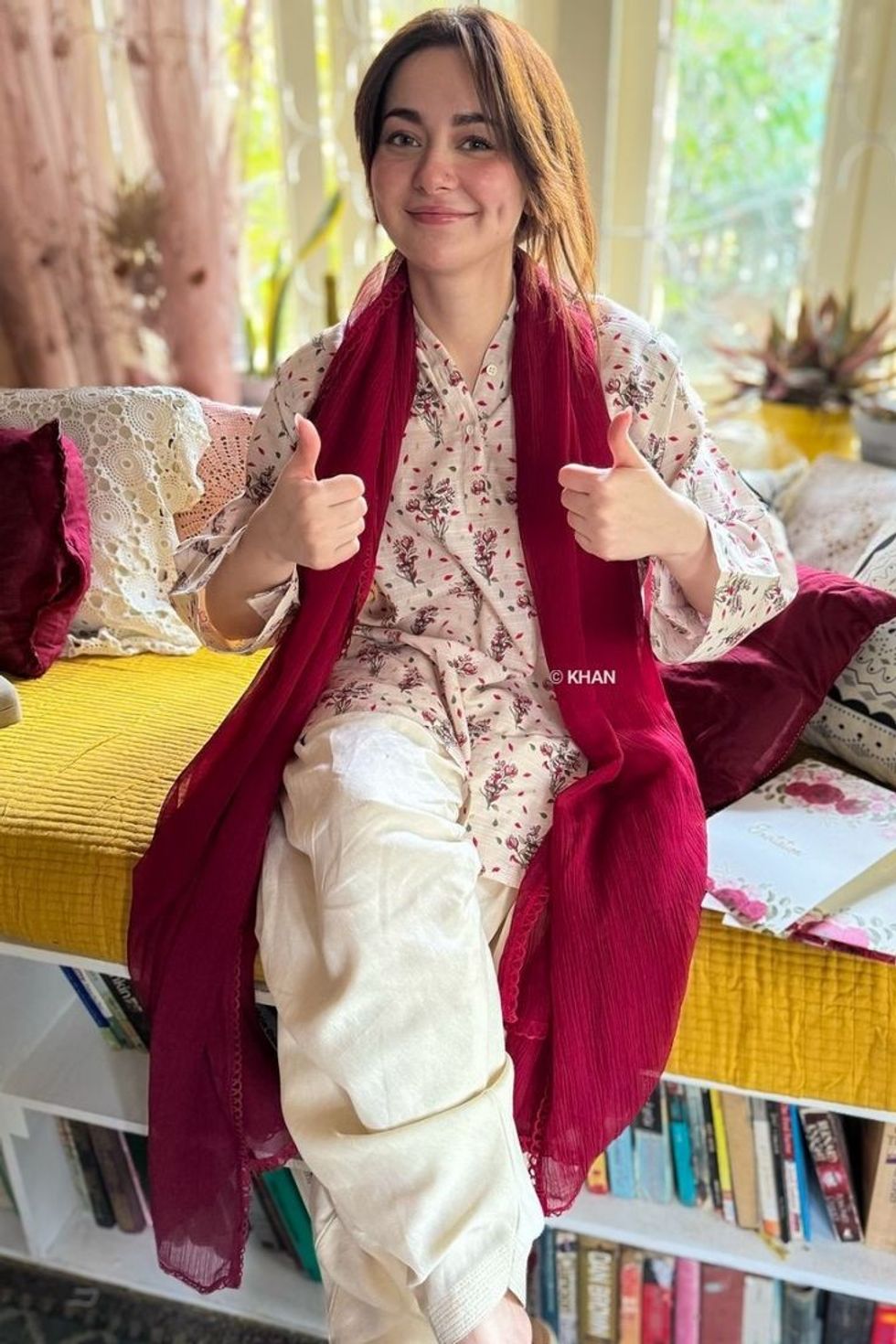 Sharjeena portrayed by Hania Aamir in Kabhi Main Kabhi TumHania Amir / Sharjeena
The relaxed yet polished style seen in Kabhi Main Kabhi Tum continues to influence daytime Ramadan fashion. Sharjeena, portrayed by Hania Aamir, represents effortless charm with her straight-cut kameez paired with cigarette pants or slim trousers.
Premium lawn cotton, Swiss voile, and cambric cotton are the fabrics of choice, especially during long fasting hours in warm weather. Fine white lace along the sleeves and neckline adds delicate detail without overwhelming the outfit. Thread embroidery around the daaman creates a subtle finishing touch. Dupattas in malmal or crinkle chiffon, often decorated with soft floral prints, are loosely draped over one shoulder or wrapped gently around the neck. Makeup remains natural with dewy skin, tinted lip balm, and light mascara. This look has become the everyday Ramadan staple for women who want comfort without compromising elegance.
Velvet and jewel tones for Eid glamor
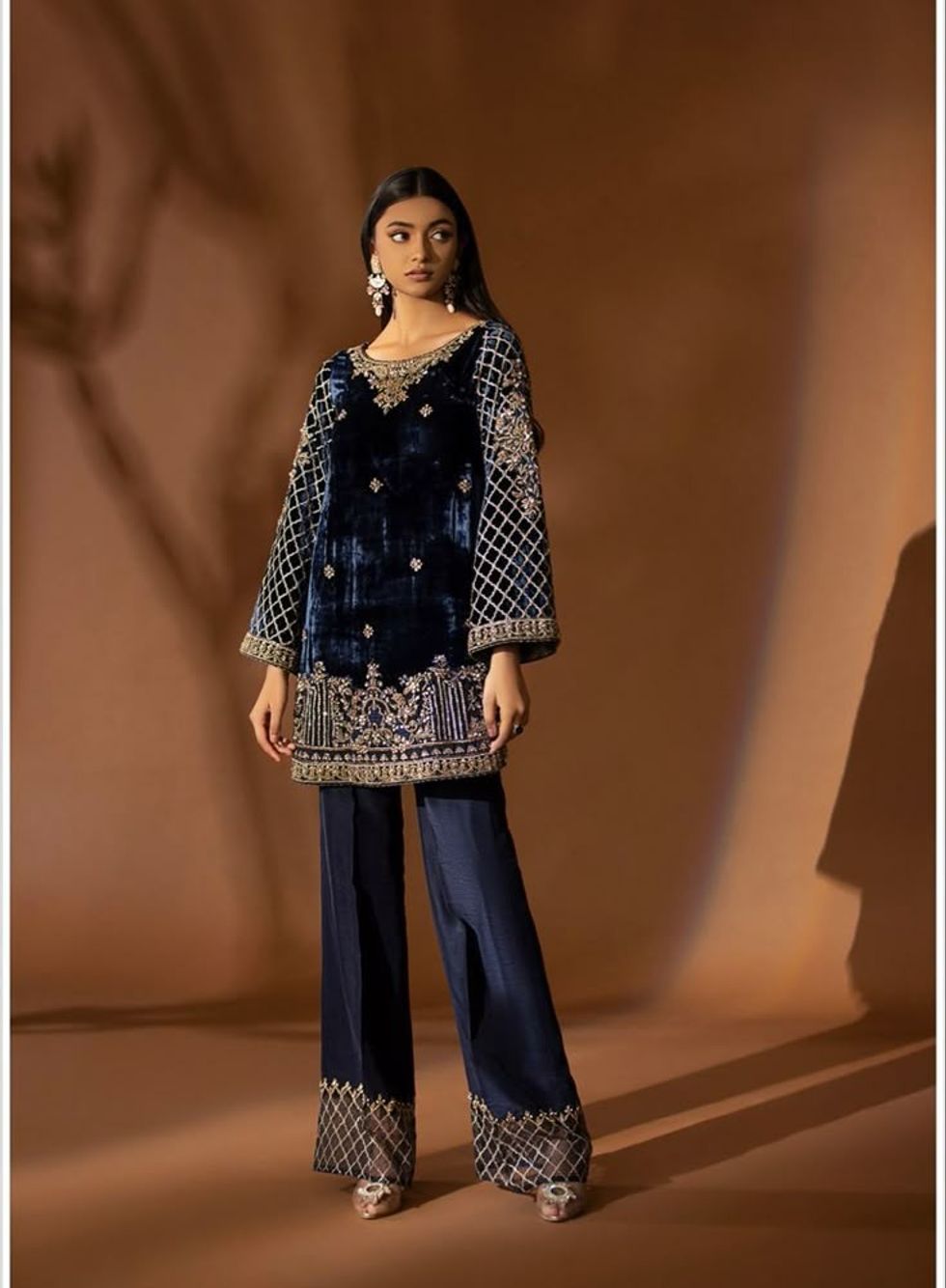 The perfect evening look velvet attire.https://in.pinterest.com/pin/8796161770193335/
Festive evenings call for richer textures, and inspiration from Mere Paas Tum Ho remains strong. Mehwish, played by Ayeza Khan, embodies structured sophistication. The look features a short, tailored kurti paired with shararas or ghararas that create graceful volume.
Micro-velvet, raw silk, and silk blends dominate this style, especially in jewel tones such as emerald green, royal blue, burgundy, and deep plum. Tilla embroidery and fine sitra sequins add shimmer, while antique gold borders frame the silhouette. Sleeves are often designed in bell or bishop styles to create a modern edge. Makeup becomes bolder with winged eyeliner, defined brows, and matte lips in deeper shades. Statement chandbali earrings complete the festive appearance. Velvet’s soft sheen makes this ensemble ideal for Eid dinners and evening photographs.
White and pastels for spiritual grace
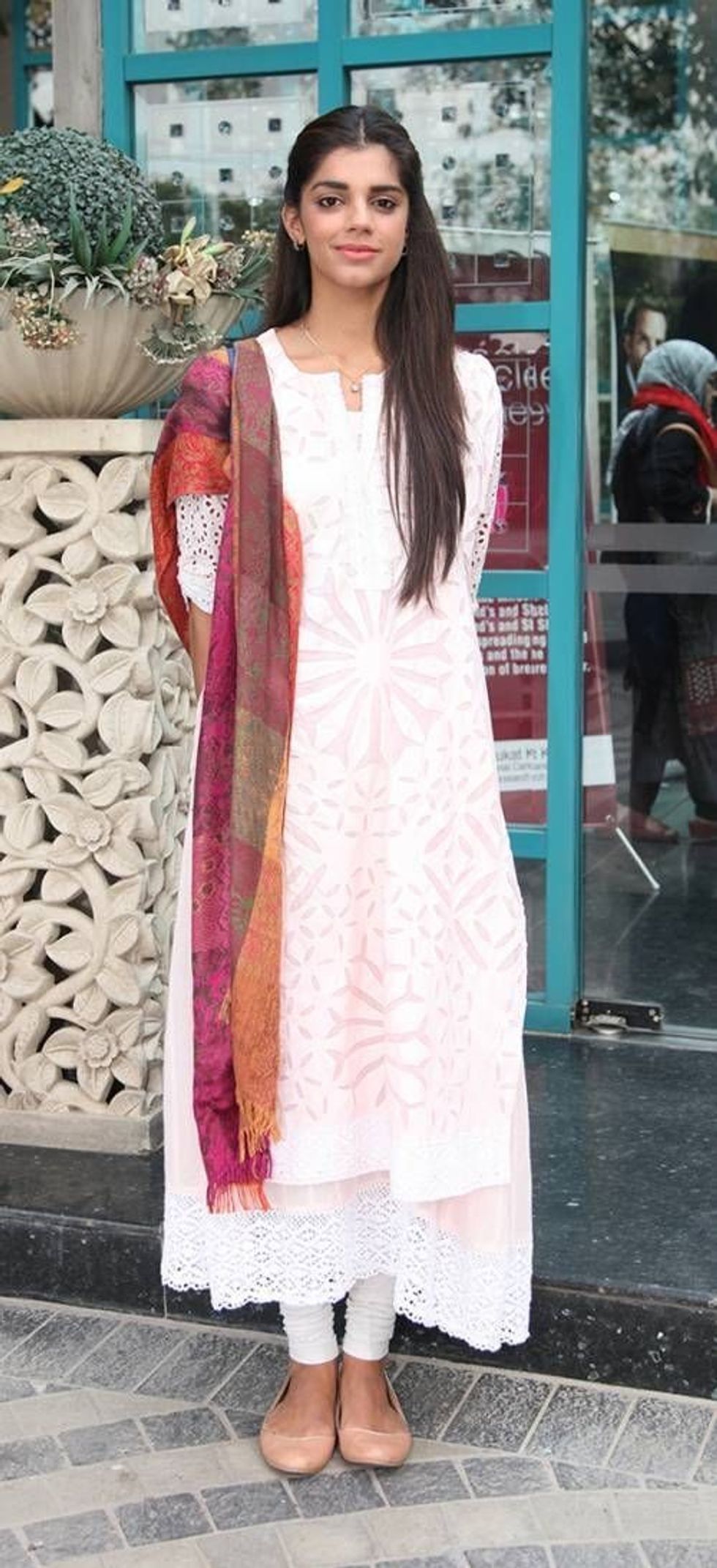 Sanam Saeed's iconic look from Zindagi Gulzar Haihttps://in.pinterest.com/pin/41517627805232249/
Minimalism remains timeless, thanks to the enduring influence of Humsafar and Zindagi Gulzar Hai. Khirad, portrayed by Mahira Khan, and Kashaf, played by Sanam Saeed, introduced a style rooted in simplicity and dignity.
Long A-line shirts with Mandarin collars paired with wide palazzo trousers define this aesthetic. Fabrics include cotton-silk blends and chickankari cotton with white-on-white embroidery or soft pastel threadwork. Dupattas are draped over both shoulders in a graceful, respectful manner. Makeup stays subtle with soft pink blush, light kajal, and nude gloss. This style reflects the calm and spiritual mood of Ramadan and is widely adopted in Indian cities such as Lucknow and Hyderabad.
Leather Khussas to complete the look
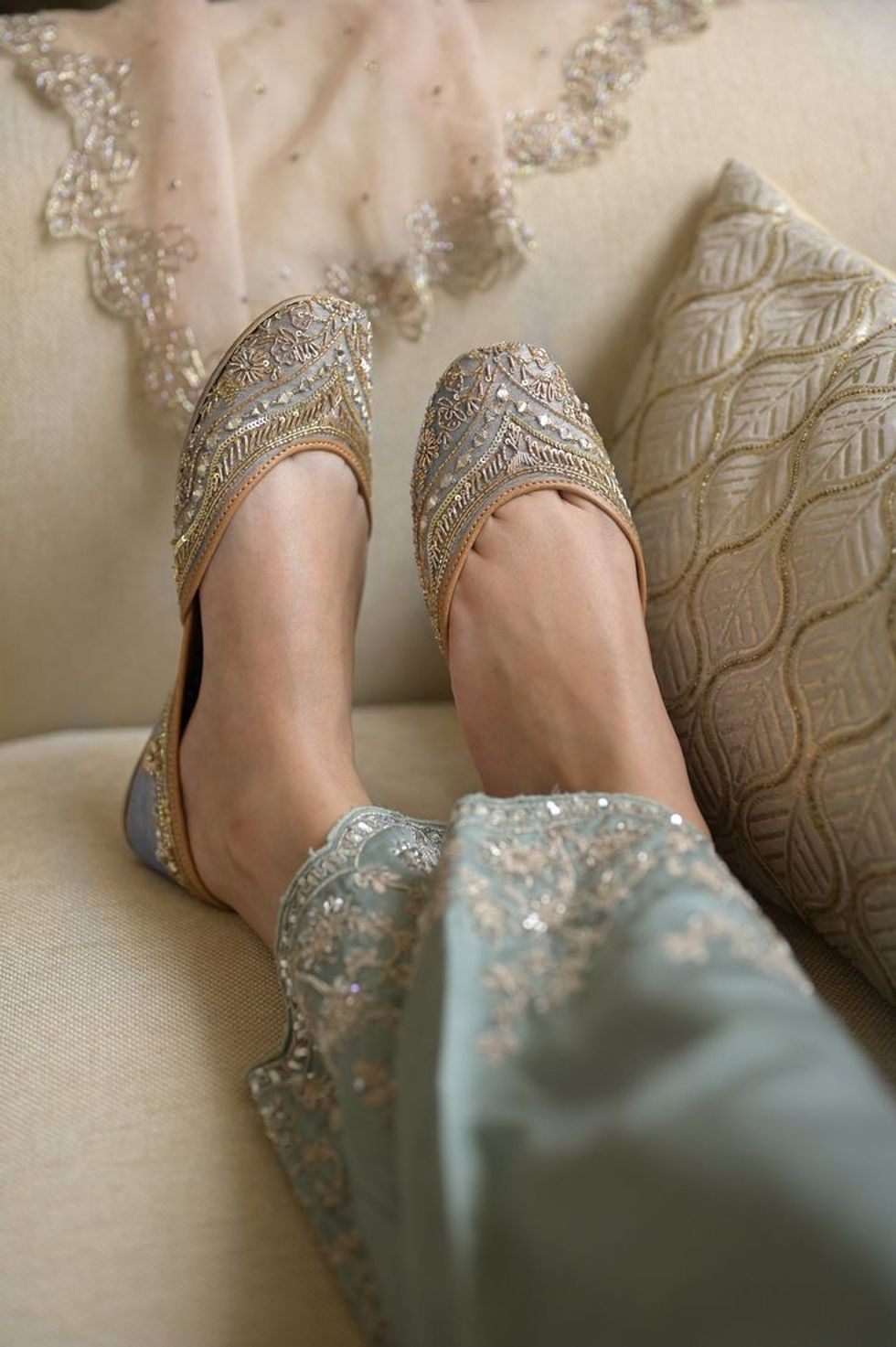 The latest fashion in traditional footwear is leather Khussas.https://in.pinterest.com/pin/30540103720789577/
Ramadan 2026 fashion is not only about clothing but also about thoughtful styling. Dupattas are pinned on one shoulder, wrapped loosely around the neck, or left free-flowing for a soft effect. Embellished leather khussas have become the preferred footwear choice, replacing heavy heels with comfort and elegance. Jewelry trends lean toward oxidized silver, pearls, chandbalis, and delicate jhumars for Eid celebrations, while heavy gold sets are less common this season.
Pakistani serial fashion crosses borders because it feels both familiar and refined. The silhouettes are modest, the fabrics breathable, and the colors soothing. For Ramadan 2026, the message is clear: elegance does not need to be loud. Whether you choose a flowing pishwas, a lace-trimmed lawn suit, a velvet sharara, or a white chikankari set, the secret lies in balancing tradition with comfort and detail with simplicity.


 Getty Images

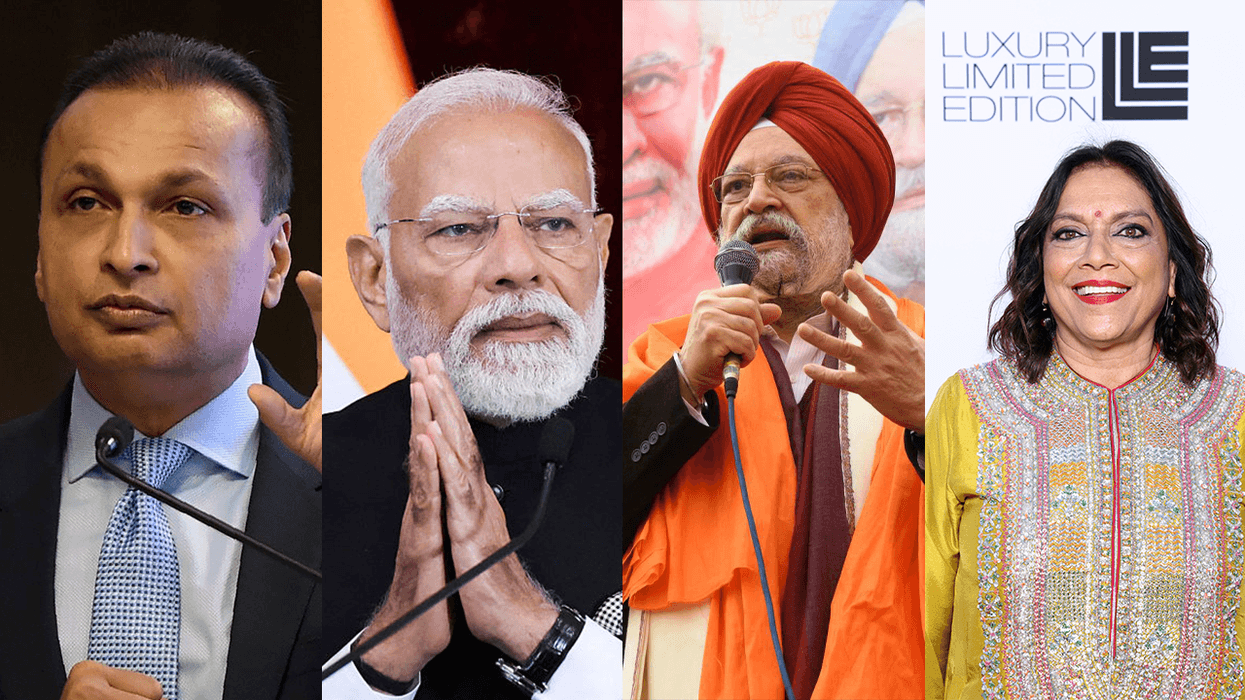
 Indian Personalities Referenced in Epstein-Related Court DocumentsGetty Images
 Indian Personalities Referenced in Epstein-Related Court DocumentsGetty Images
 Indian Personalities Referenced in Epstein-Related Court DocumentsGetty Images
 Indian Personalities Referenced in Epstein-Related Court DocumentsInstagram/@
 Indian Personalities Referenced in Epstein-Related Court DocumentsGetty Images
 Indian Personalities Referenced in Epstein-Related Court DocumentsGetty Images
 Indian Personalities Referenced in Epstein-Related Court DocumentsGetty Images

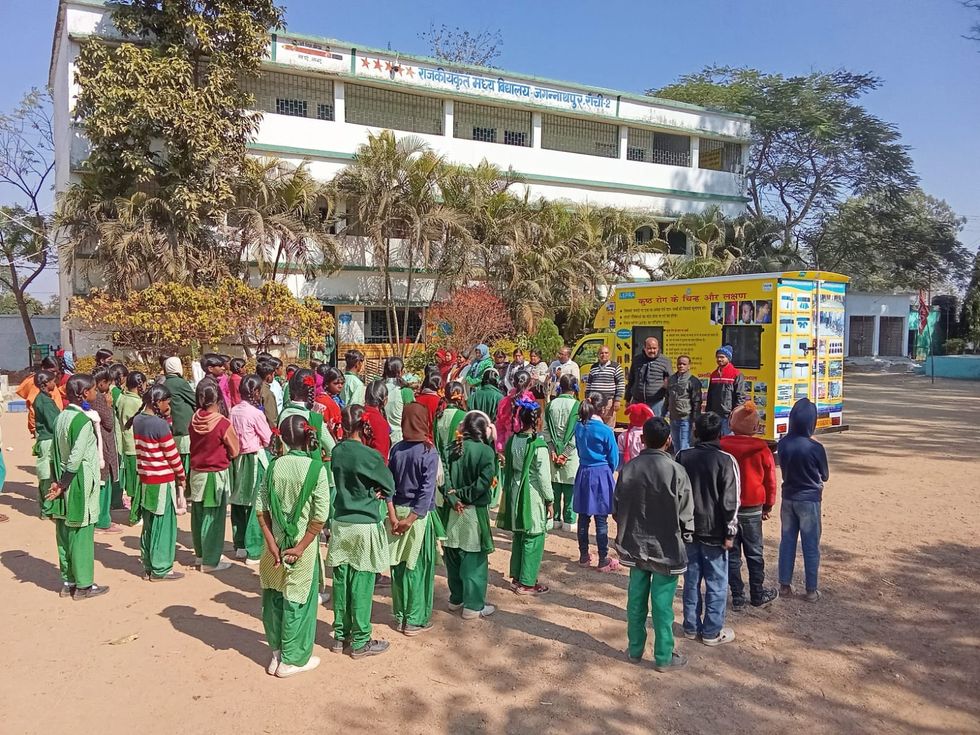 Lepra’s mobile IEC unit travels to schools to educate staff and pupils on the symptoms of leprosyLepra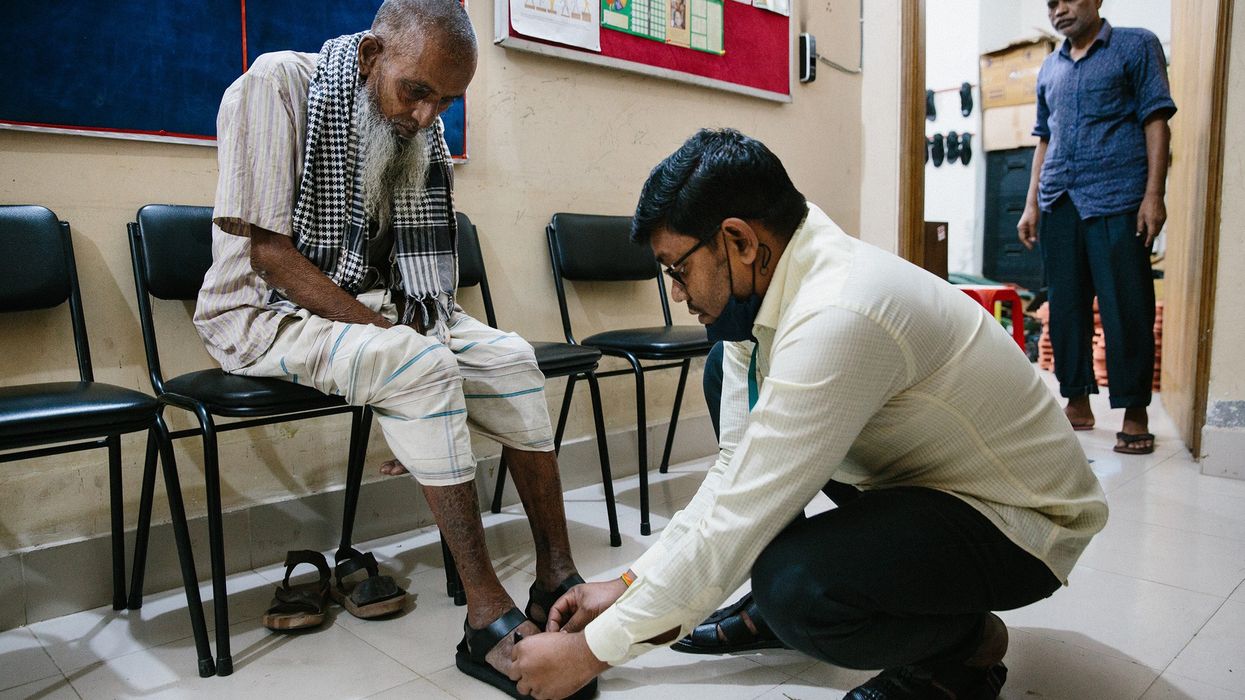
 Haider