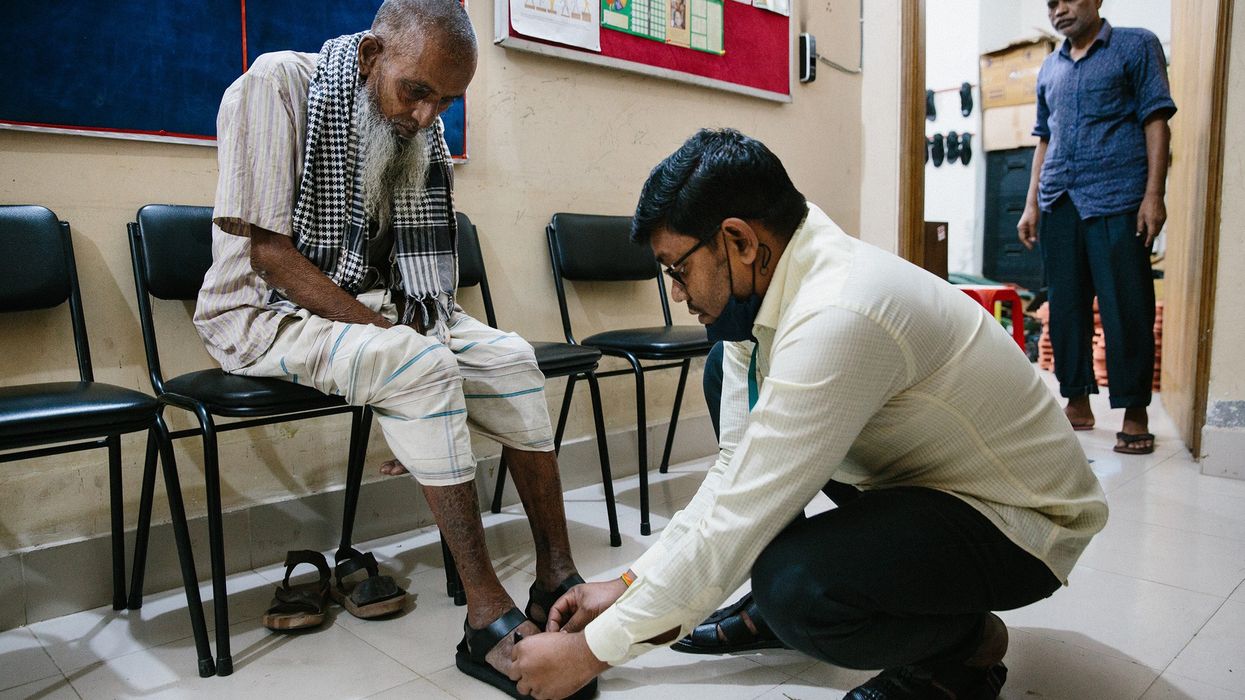

As is now an annual tradition, the international day of charitable giving, Giving Tuesday (2 December 2025) has become known by Lepra as 'Giving Shoesday'; when the charity celebrates the life-changing impact of its protective footwear.
One of the main symptoms of leprosy is nerve damage, meaning people affected are unable to feel sensation in affected areas, such as the feet and hands. This leaves them vulnerable to burns, cuts, ulcers and injuries that can potentially lead to severe damage to hands and feet, resulting in permanent disability if left untreated.
Lepra’s protective footwear serves as an essential element of self-care, providing not only protection from injury and improved mobility but also playing an important role in overcoming the social and emotional impact of leprosy.
Thanks to custom-made protective footwear, 77-year-old grandfather Haider has regained his mobility and independence.
Haider lives with his son, daughter and their children in a small village near the town of Bogura in Bangladesh.
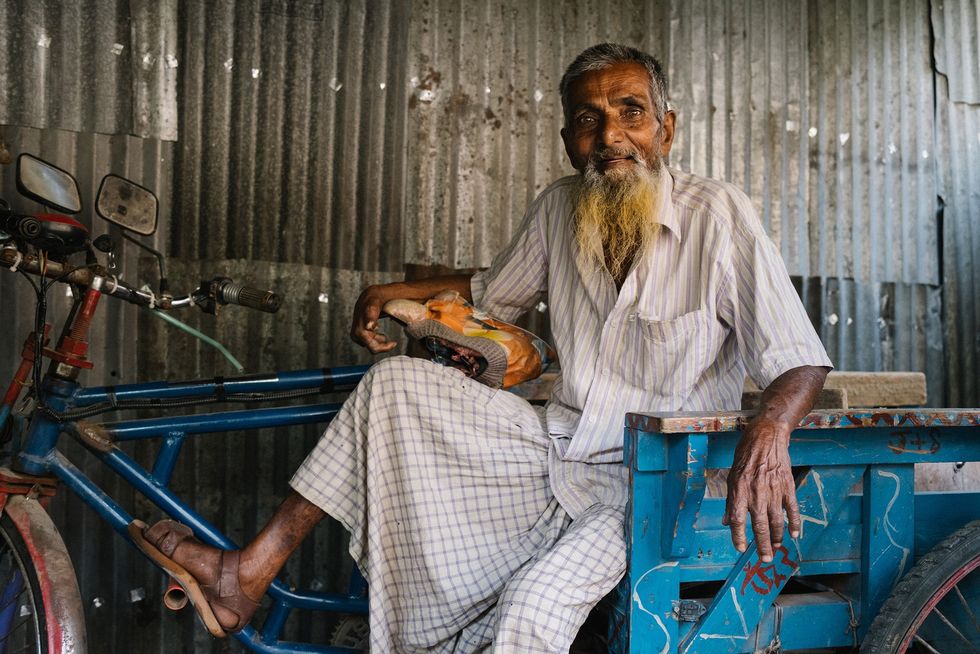 Haider
Throughout Haider’s life, he has had physically demanding jobs as a labourer and a rickshaw puller. Although his income is low, he is proud of how his hard work has helped to sustain his family.
Incredibly, Haider lived with undiagnosed leprosy for many years as he continued to work through the pain and discomfort of his worsening condition. He first noticed symptoms in the mid-90s, with small blisters developing around his toes. He ignored the blisters at first, but over time they became infected, and ulcers developed, which could no longer be hidden.
“Many people in my community were worried I might be contagious, and some said my sickness was from sin. People began to shun me and my family, and I felt very alone, with a deep sadness in my heart, which I now know was depression.”
Haider was desperate to get medical help, but with so many financial barriers to professional healthcare, many people are forced to visit local healers to try and cure their ailments. Haider spent what little money he had visiting healers, but none of their traditional treatments were improving his condition. As his health deteriorated, he found it almost impossible to continue work.
Lepra’s team in Bangladesh first met Haider by the roadside in the early 2000s, where he was struggling and exhausted by the discomfort of his worsening disabilities. He was taken to the nearest hospital, 100 miles away. There he was diagnosed with leprosy and received treatment for his wounds and began a 12-month course of multidrug therapy (MDT).
To support his recovery, Lepra’s specialist health workers provided Haider with his first pair of protective shoes, custom-made by a footwear technician in multicellular rubber which protect the vulnerable points of an individual’s feet. With Lepra’s footwear, further injuries can be prevented, and with good self-care practice, existing ulcers are able to heal. With ongoing support from Lepra, Haider was able to return to work, and he was gradually able to rebuild his independence, confidence and self-esteem.
“I was able to walk again with no pain for the first time in many years, I returned to work and provided for my family again.”
A pair of life-changing shoes costs £6.50. Thanks to the generosity of Lepra’s supporters, last year the organisation provided over 30,000 pairs of protective footwear, helping to restore hope, dignity and independence for some of the world’s most vulnerable people.
For more information on Lepra, please visit www.lepra.org.uk





 A screenshot of Prada manufactured Kolhapuri Chappal on their website.
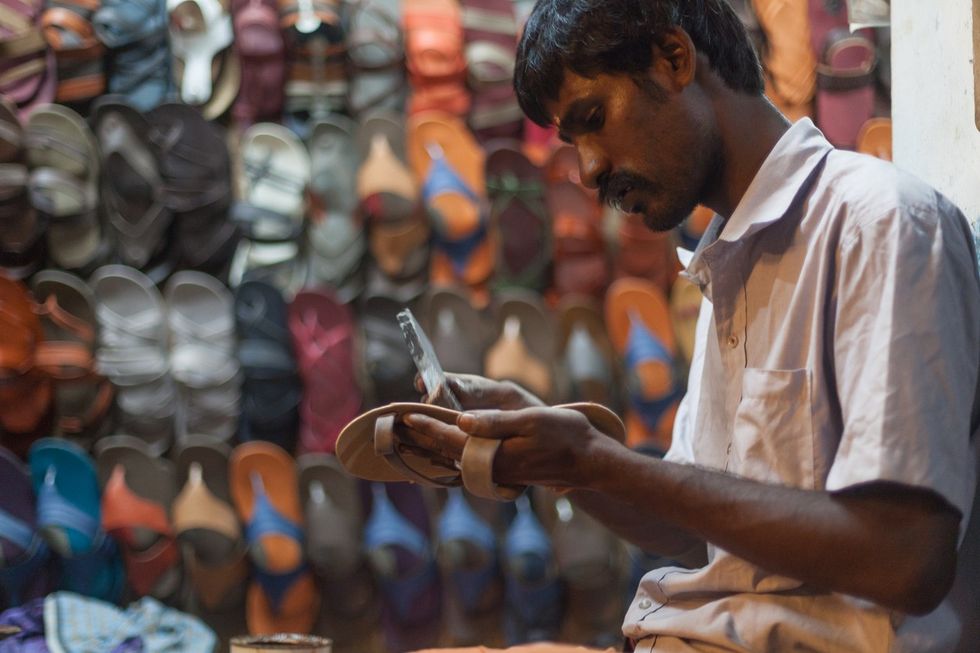 A shoemaker in his workshop in Kerala village. Services and hand-making is very cheap in India.iStock
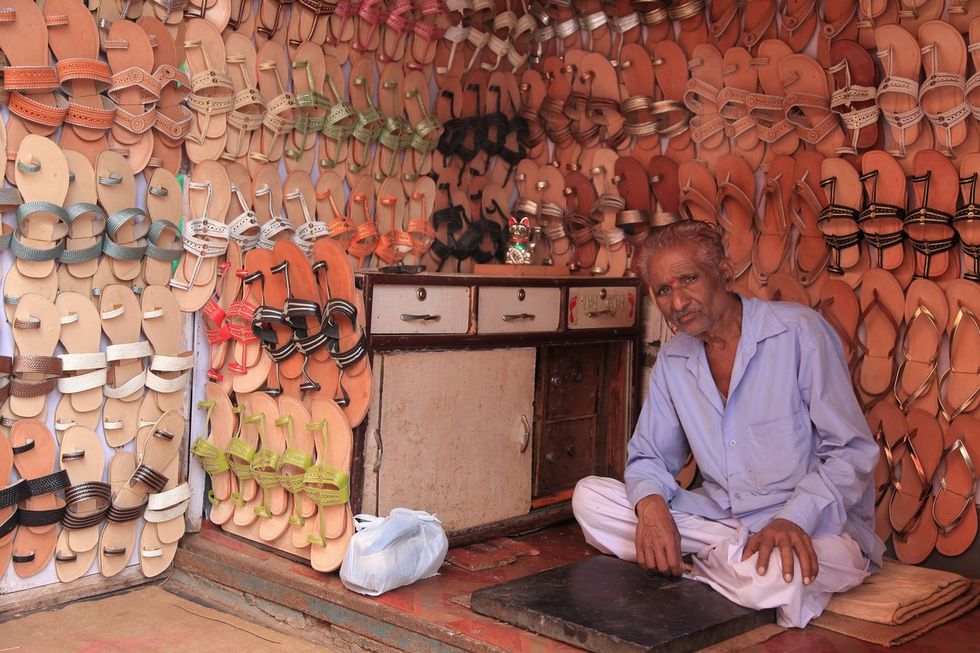 Footwear vendors in the streets of Mahabaleshwar in IndiaiStock







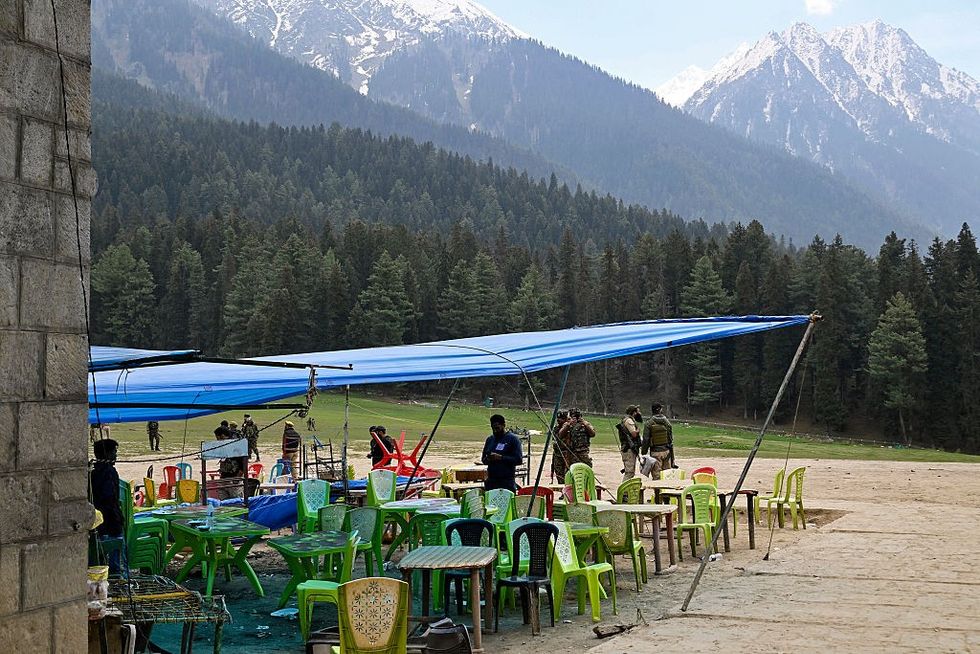 Security personnel inspect the site in the aftermath of an attack as food stall chairs lie empty in Pahalgam, about 90 kilometres (55 miles) from Srinagar on April 23, 2025. Indian security forces in Kashmir carried out a major manhunt on April 23, a day after gunmen opened fire on tourists killing 26 people in the region's deadliest attack on civilians since 2000. Getty Images
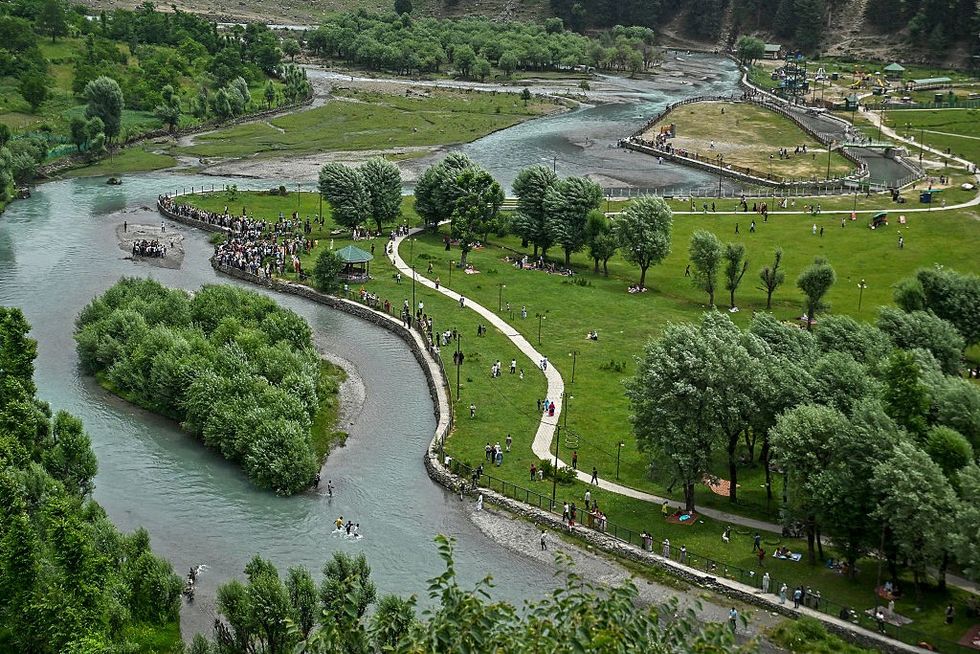 Tourists visit Betaab Valley in Pahalgam, about 112 km south of Srinagar on June 26, 2025.Getty Images
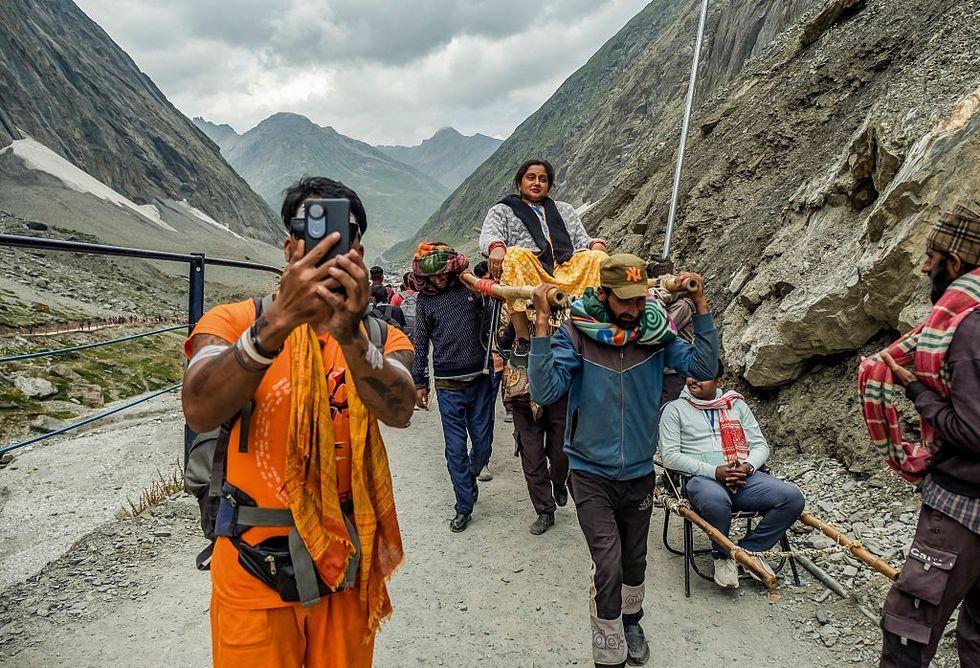 Pilgrims gather at the Baltal Base Camp near Domel, en route to the sacred Amarnath cave in Srinagar, Jammu and Kashmir, India, on July 29, 2025. The annual Amarnath Yatra, which began on July 3, proceeds under heightened security following a deadly terror attack in Pahalgam that claimed the lives of 25 tourists and a local pony handler. Security forces have been deployed in large numbers across the pilgrimage route, with checkpoints, surveillance, and restrictions in place to safeguard the thousands of devotees undertaking the arduous journey. The Amarnath Yatra is one of the most important Hindu pilgrimages, drawing worshippers from across India to the high-altitude Himalayan shrine dedicated to Lord Shiva. Despite the threat of violence and challenging terrain, pilgrims continue their spiritual trek, determined to complete the sacred journey under the shadow of grief and resilience.Getty Images