
Highlights:
- India begins its first census since 2011, covering 1.4+ billion people
- Over 3 million officials will conduct surveys across 36 regions
- Digital tools and self-enumeration introduced for the first time
- Census includes caste data and expanded socio-economic questions
- Updated data crucial for welfare delivery, urban planning, and policy decisions
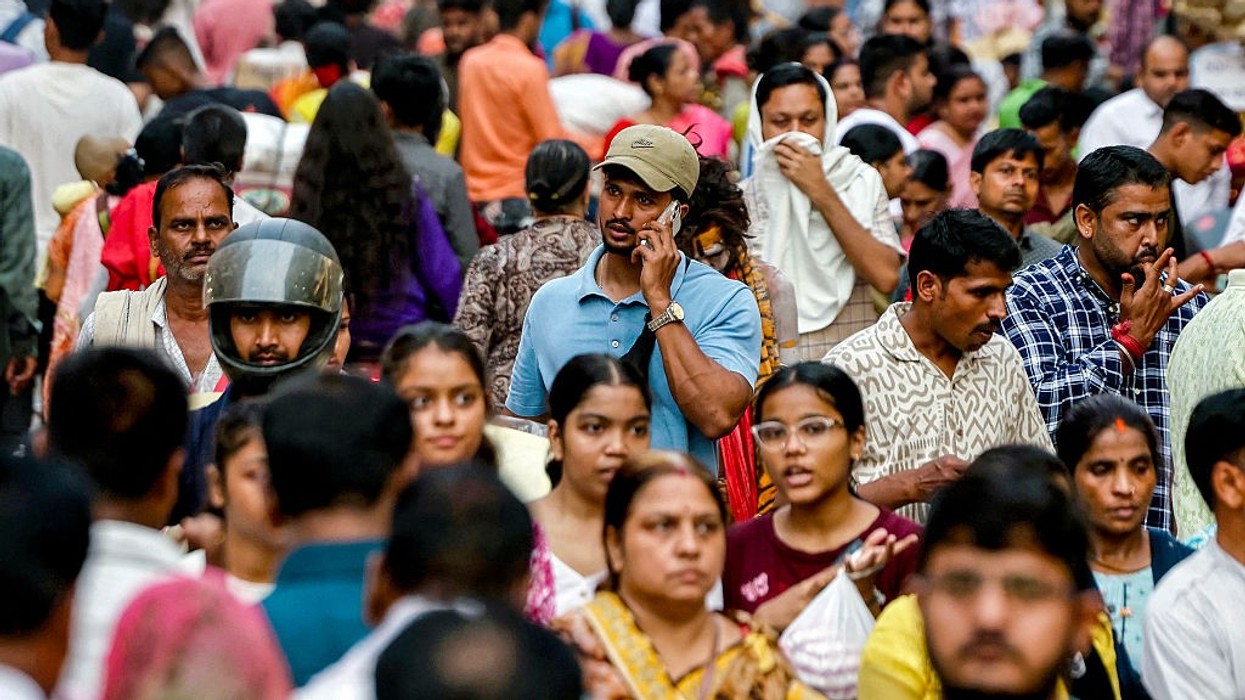
India has launched its 16th national census, marking the first population count in more than 15 years. The exercise aims to cover over 1.4 billion people, making it the largest census ever conducted globally. More than three million enumerators and supervisors will participate in the year-long effort, gathering responses to 33 detailed questions about households and individuals.
The census is being conducted across 36 states and federally administered territories, covering more than 7,000 sub-districts, over 9,700 towns, and nearly 640,000 villages. It is the eighth census since India gained independence in 1947.
What the census will ask
The questionnaire spans a wide range of topics, moving beyond basic identity details to capture living conditions and socio-economic realities. Respondents will be asked about housing quality (e.g., roof type), access to amenities such as internet or mobile phones, food consumption patterns, and household composition.
The survey will also gather data on education, employment, migration, and fertility. Notably, caste enumeration, long a politically sensitive issue, has been included, reflecting its continued importance in policymaking and representation.
A two-phase enumeration method
The census will be conducted in two major phases:
1. House Listing and Housing Census
This phase focuses on housing conditions, household assets, and access to basic amenities. It helps establish a baseline understanding of living standards across the country.
2. Population Enumeration
Scheduled for February 2027, this phase collects detailed demographic data, including age, gender, occupation, education, migration history, and fertility patterns.
This structured approach ensures both physical infrastructure and population characteristics are comprehensively documented.
Digital transformation and self-enumeration
For the first time, India’s census will be conducted digitally. Enumerators will use mobile applications to collect and upload data in real time, improving accuracy and efficiency.
In addition, residents can participate through a self-enumeration portal available in 16 languages. This system generates a unique ID, which census officials later verify during field visits.
Initial rollout regions include areas such as Delhi, Goa, Karnataka, Mizoram, Odisha, and the Andaman and Nicobar Islands.
Why this census matters
India last conducted a census in 2011, with the 2021 round delayed due to the COVID-19 pandemic and administrative constraints. As a result, policymakers have been relying on sample surveys rather than a comprehensive population baseline.
This gap has created challenges in accurately identifying beneficiaries for welfare programs, planning infrastructure, and allocating resources. For example, classifications of rural and urban areas still rely on outdated data, even as rapid urbanization has transformed many regions.
An updated census will help refine these classifications, ensuring that government programs—such as rural employment schemes, reach the intended populations.
Evolving scope of data collection
India’s census has evolved significantly since its early days. The first attempt in 1872 included just 17 questions, primarily focused on identity and occupation. Over time, the scope expanded to include literacy, employment, migration, and economic dependency.
Recent censuses have added questions on commuting, disability, and fertility. The current exercise reflects changing social norms as well, for instance, allowing live-in couples to be recorded as married if they consider their relationship stable.
Concerns and challenges
Despite its importance, the census has raised concerns among some groups. Analysts point to growing public anxiety around data collection, especially in the context of other databases like the National Population Register.
There are fears that some households may over-report members or provide inaccurate details due to concerns about exclusion or citizenship verification, even though the census itself is not linked to citizenship determination.
A crucial snapshot of modern India
Experts emphasize that the census remains the most comprehensive snapshot of the country. It captures not only population size but also how people live, work, and move.
With nearly 70 per cent of India’s population in the working-age group and a median age of 28, the data will be critical for economic planning, labor markets, and social policy.
Ultimately, the census will shape decisions that affect everything from welfare distribution to political representation, making it one of the most significant administrative exercises in the country.