
Highlights:
- New Zealand court lifts name suppression for Baltej Singh
- Convicted in a record 700 kg meth trafficking case
- Nephew of Satwant Singh, a bodyguard who killed Indira Gandhi
- Appeals failed; Supreme Court bid withdrawn
- Case revives focus on the assassination of Indira Gandhi and the aftermath
The identity of a man related to one of the assassins of former Indian prime minister Indira Gandhi has been made public after he abandoned a legal effort to keep his name suppressed in New Zealand, according to local media reports.
The individual, Baltej Singh, had been convicted in a major drug trafficking case involving the importation of more than 700 kgs of methamphetamine, considered to be the largest such seizure in New Zealand's history. He is currently serving a 22-year prison sentence.
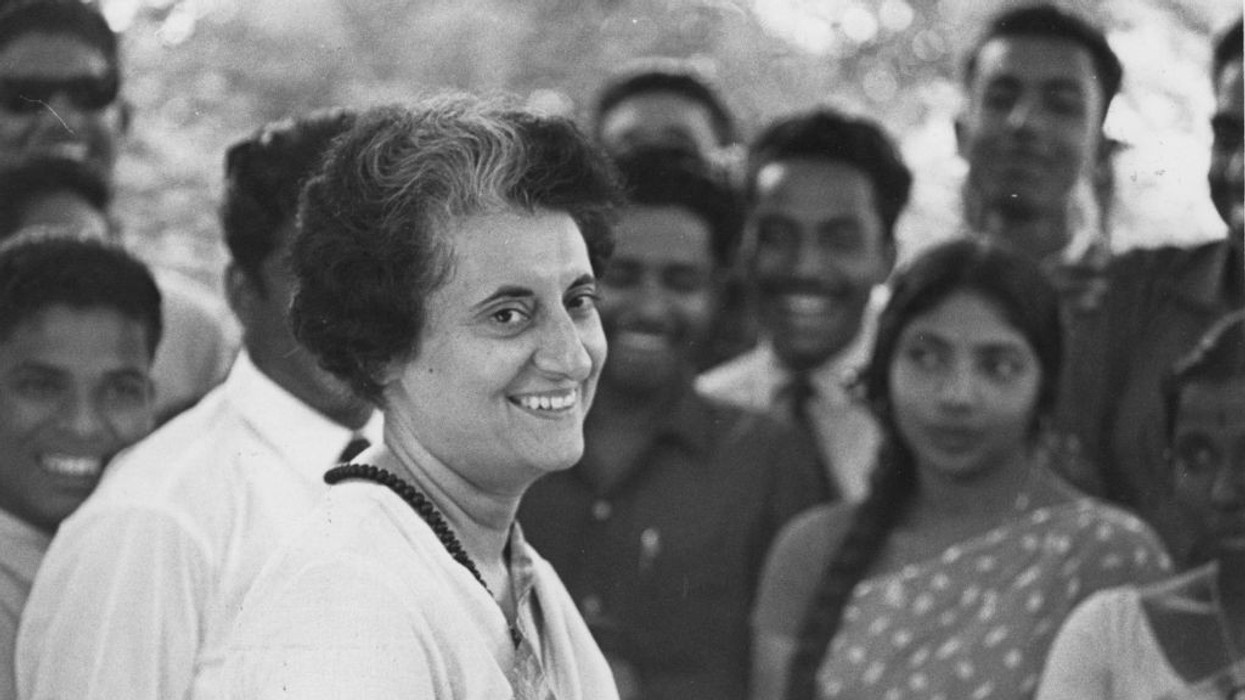
Singh is the nephew of Satwant Singh, one of the bodyguards who assassinated Indira Gandhi in 1984. The killing remains one of the most significant and traumatic political events in modern Indian history.
Initially, Singh was granted permanent name suppression by the High Court in New Zealand. His legal team argued that revealing his identity would expose him and his family to serious risks, including threats, harassment, and potential violence due to the historical and emotional sensitivities surrounding Gandhi’s assassination.
However, New Zealand authorities challenged that decision, appealing to a higher court. In November of last year, the Court of Appeal ruled that there was insufficient justification to maintain anonymity, effectively allowing the media to publish Singh’s identity.
Following the ruling, Singh sought permission to take his case to the Supreme Court in a final attempt to retain name suppression. He has since withdrawn that appeal, clearing the way for media outlets to legally disclose his identity.
Local news platform Stuff, which had opposed the suppression order, reported that prosecutors argued in court that Singh’s identity had already been reported in Indian media, weakening the case for continued secrecy.
In an affidavit submitted during the proceedings, Singh’s father claimed the family had long faced stigma and hostility due to their association with Satwant Singh. He said they had become “notorious” among both Sikh and Hindu communities worldwide and had experienced ongoing threats and intimidation.
The 1984 assassination of Indira Gandhi triggered widespread anti-Sikh violence, particularly in Delhi, where thousands were killed in the aftermath. The historical weight of those events has continued to shape perceptions and sensitivities surrounding individuals connected to the case.
The New Zealand court’s decision underscores the balance between individual privacy rights and the principle of open justice, particularly in cases involving significant criminal activity and historical public interest.