An influential minister in the government of Narendra Modi in India on Friday (21) said that the country's parliament and not the court of law is the best place to debate the issue of same-sex marriage.
The remark comes at a time when the Supreme Court of India is hearing petitions seeking legalisation of such marriages.
The Modi government has been opposed to the appeals, some made by gay couples, saying they represented "urban elitist views" and that such marriages are not "comparable with the Indian family unit concept of a husband, a wife and children".
Bhupender Yadav, a minister of the cabinet who has the portfolios of labour and employment and environment, said in an opinion piece in the Hindustan Times newspaper published on Friday, "Any debate over which union constitutes a marriage is, in essence, a legislative function and should not be a matter of judicial adjudication."
A five-judge bench of the apex court headed by Chief Justice DY Chandrachud has been hearing the case's arguments, which are live-streamed, since Tuesday (18). The court has given a number of observations that have stormed the front-page headlines and triggered intense social media debates.
"The issue of marriage concerns society and society's opinion on this issue cannot be excluded. The voice of society is best reflected in parliament..." Yadav, who is also a general secretary of the ruling Bharatiya Janata Party and represented India in key climate summits such as COP, said.
Earlier in the week, the Modi government told the court that it would seek views of India's states on the matter since marriage is a state subject.
In 2018, the top court decriminalised homosexuality in a historic verdict by banning a colonial-era ban on gay sex.
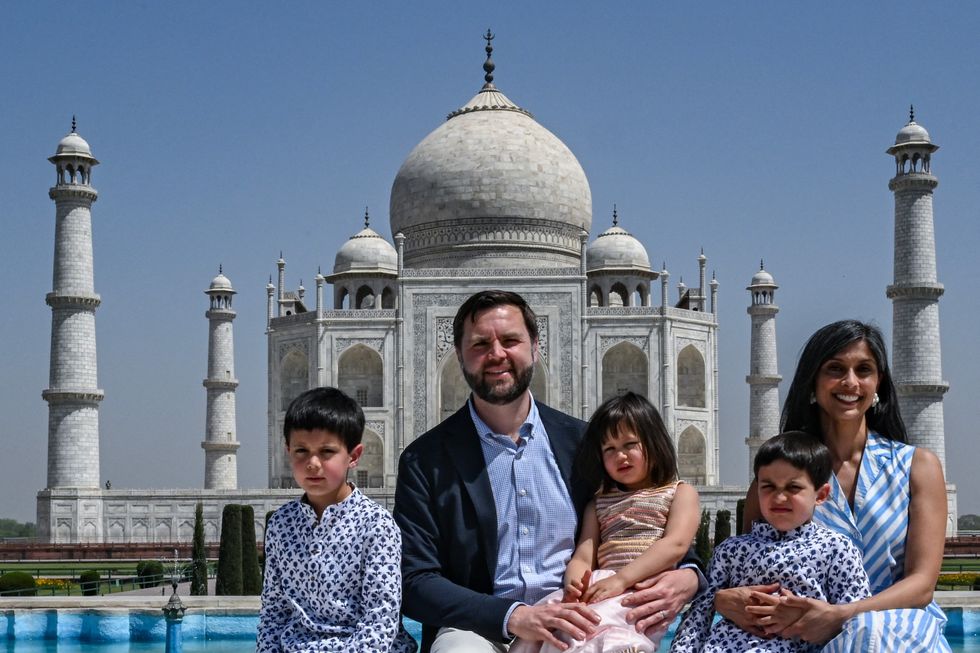 The couple during their visit to the Taj Mahal in Agra earlier this yearxx




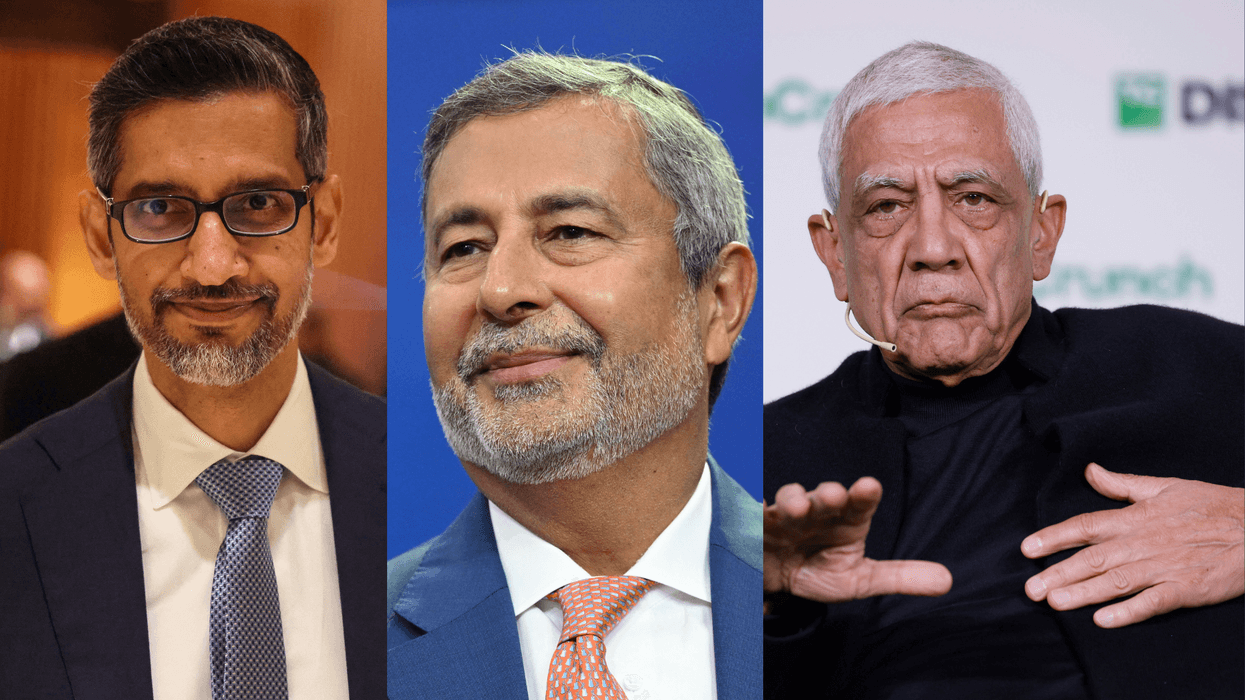
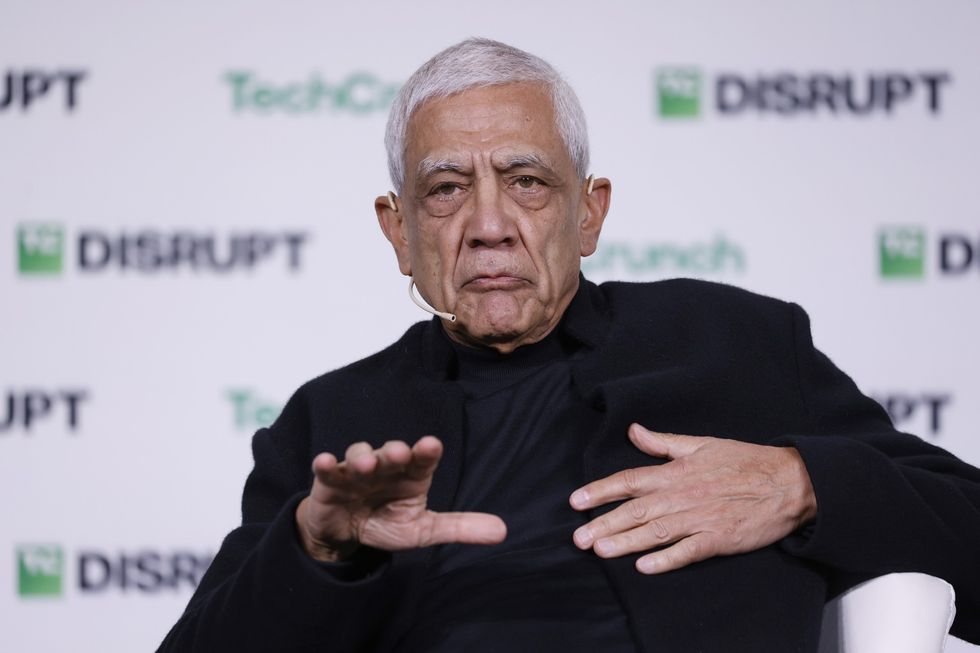 SAN FRANCISCO, CALIFORNIA - OCTOBER 28: Vinod Khosla, Founder, Khosla Ventures, speaks onstage during day two of TechCrunch Disrupt 2025 at Moscone Center on October 28, 2025 in San Francisco, California. (Photo by Kimberly White/Getty Images for TechCrunch)Getty Images
 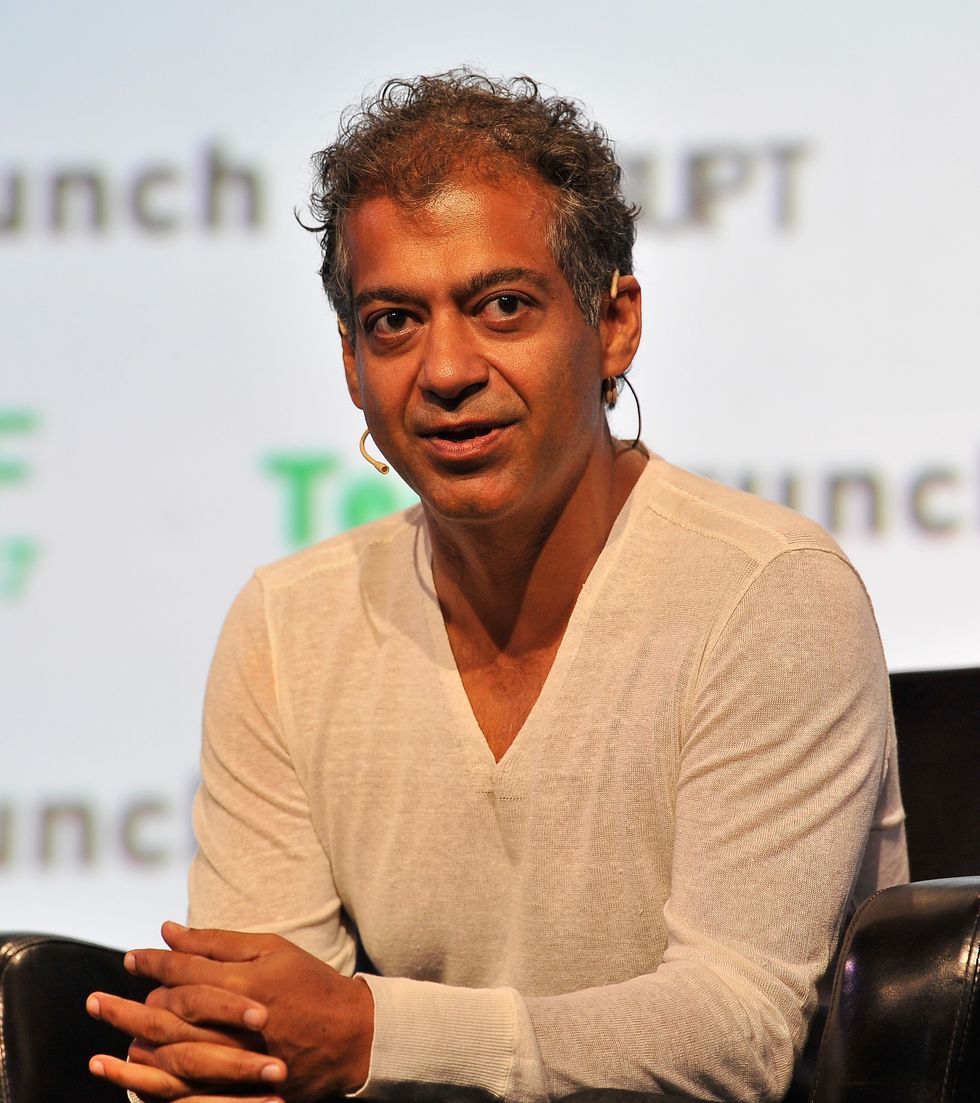 SAN FRANCISCO, CA - SEPTEMBER 18: AngelList Co-Founder and CEO Naval Ravikant speaks onstage during TechCrunch Disrupt SF 2017 at Pier 48 on September 18, 2017 in San Francisco, California. (Photo by Steve Jennings/Getty Images for TechCrunch)Getty Images
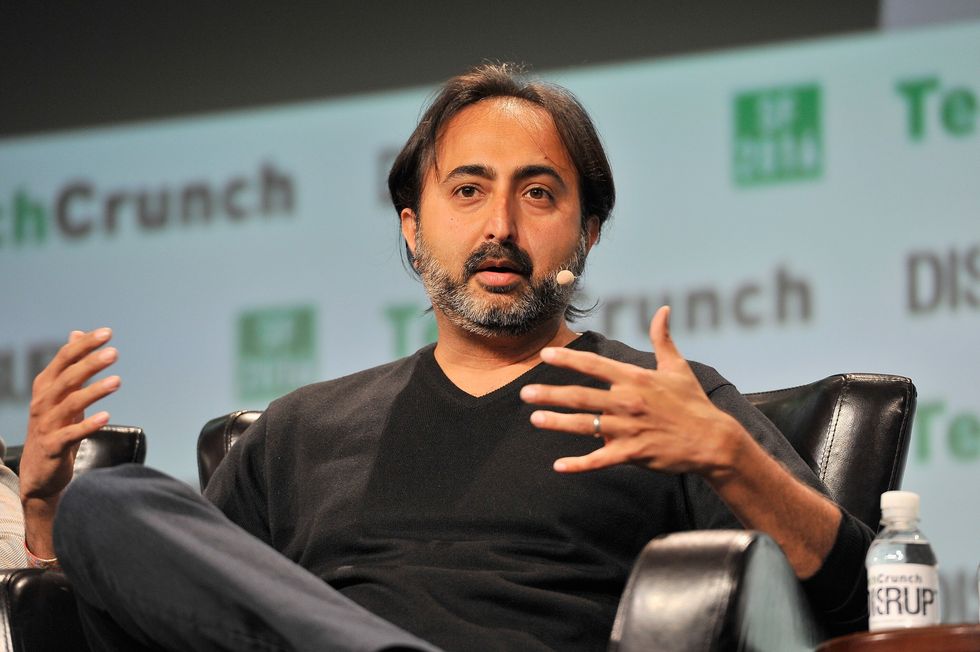 SAN FRANCISCO, CA - SEPTEMBER 14: Managing Director of General Catalyst Hemant Taneja speaks onstage during TechCrunch Disrupt SF 2016 at Pier 48 on September 14, 2016 in San Francisco, California. (Photo by Steve Jennings/Getty Images for TechCrunch)Getty Images
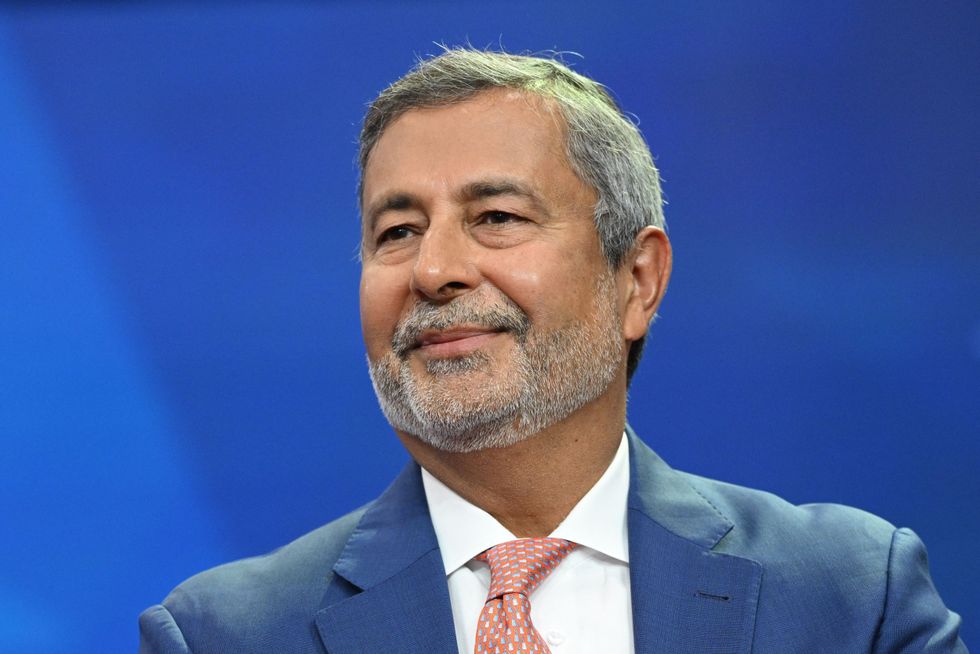 CEO of Micron Technology Sanjay Mehrotra, listens to US President Joe Biden speak about manufacturing, at the SRC Arena and Events Center of Onondaga Community College in Syracuse, New York on October 27, 2022. (Photo by MANDEL NGAN / AFP) (Photo by MANDEL NGAN/AFP via Getty Images)Getty Images
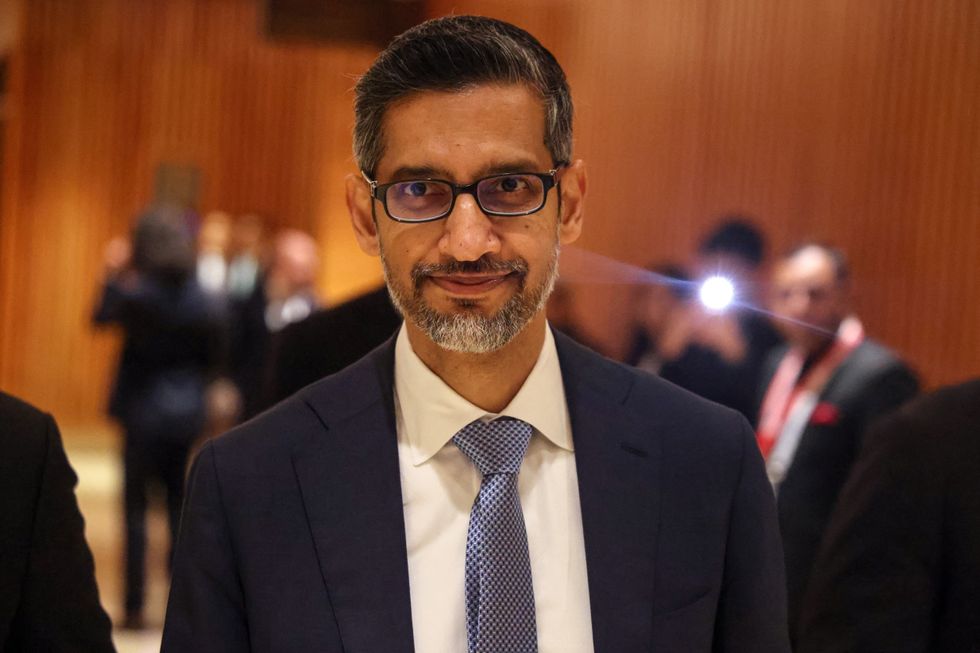 Google CEO Sundar Pichai looks on during the AI Impact Summit in New Delhi on February 19, 2026. (Photo by Ludovic MARIN / AFP via Getty Images)Getty Images
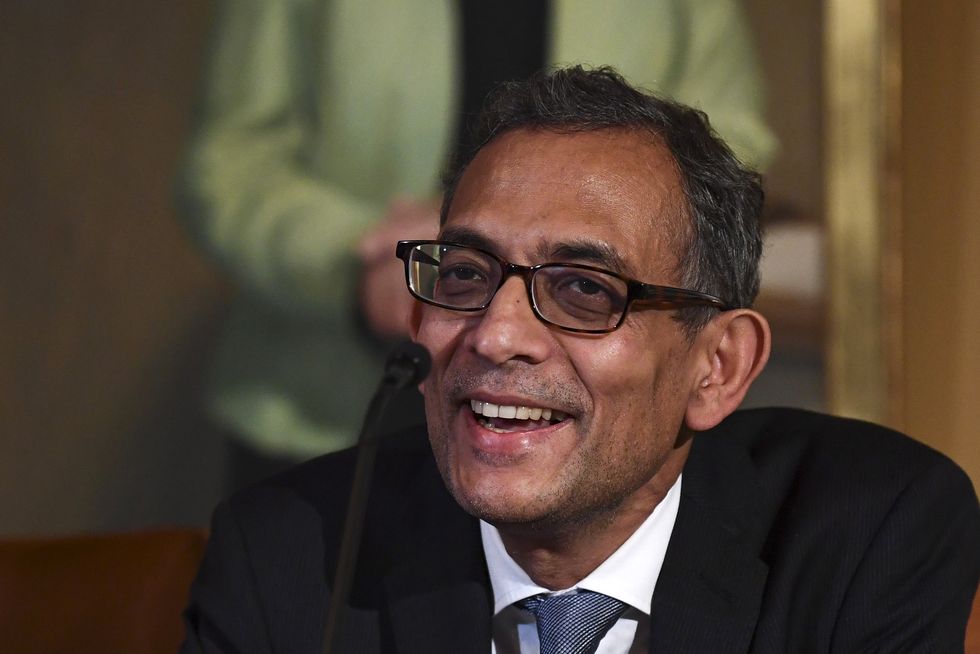 Indian born Abhijit Banerjee, laureate of Prize in Economic Sciences in Memory of Alfred Nobel 2019, speaks during a press conference with the Nobel physics, chemistry and economics laureates at the Royal Swedish Academy of Sciences, on December 7, 2019 in Stockholm, Sweden. (Photo by Jonathan NACKSTRAND / AFP) (Photo by JONATHAN NACKSTRAND/AFP via Getty Images)Getty Images
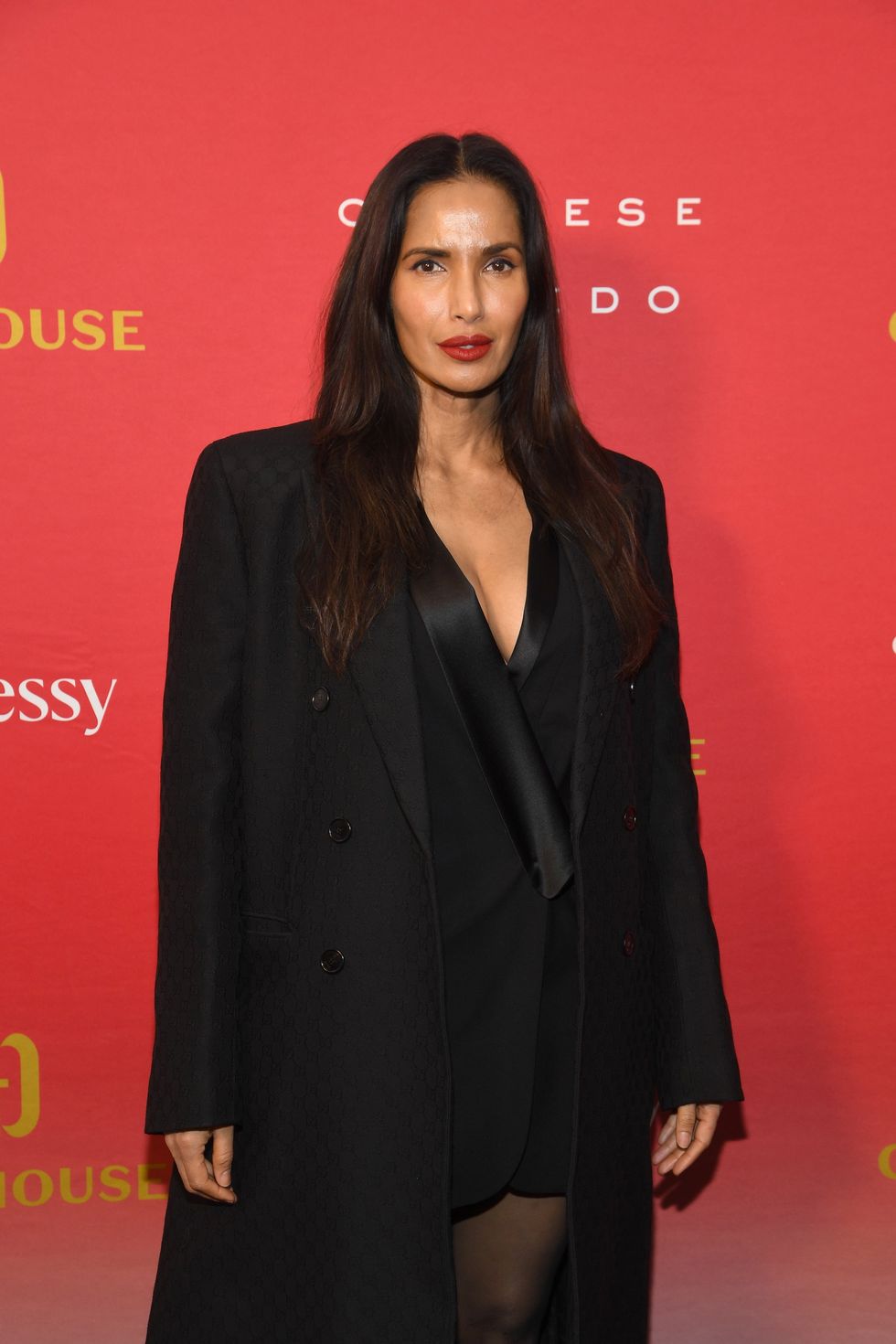 NEW YORK, NEW YORK - FEBRUARY 12: Padma Lakshmi attends Gold House's Lunar New Year Gold Celebration at Chinese Tuxedo on February 12, 2026 in New York City. (Photo by Noam Galai/Getty Images for Gold House)Getty Images
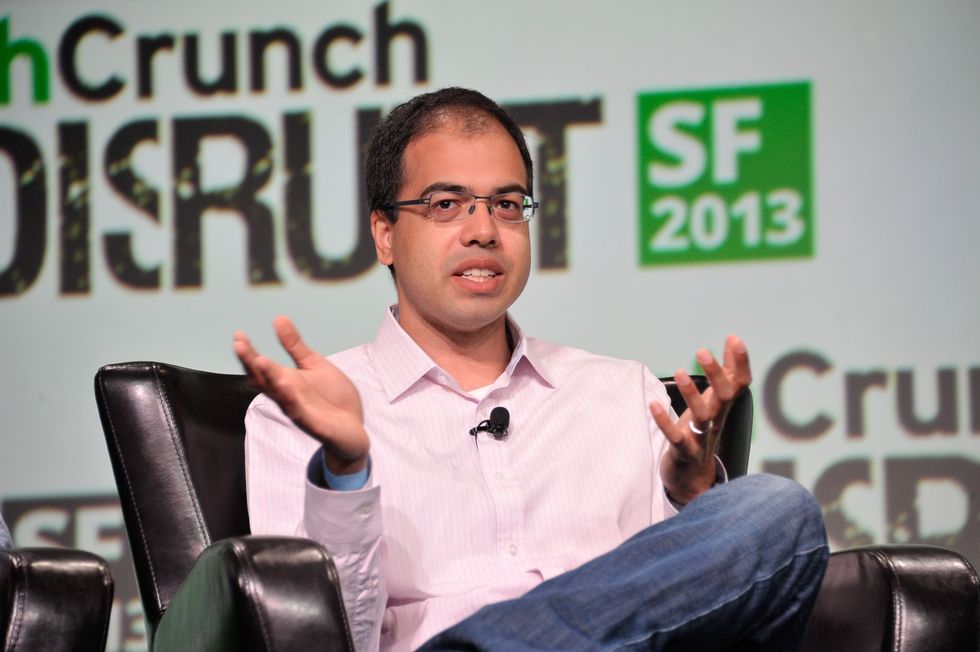 SAN FRANCISCO, CA - SEPTEMBER 10: Sanjit Biswas attends Day 2 of TechCrunch Disrupt SF 2013 at San Francisco Design Center on September 10, 2013 in San Francisco, California. (Photo by Steve Jennings/Getty Images for TechCrunch) Getty Images
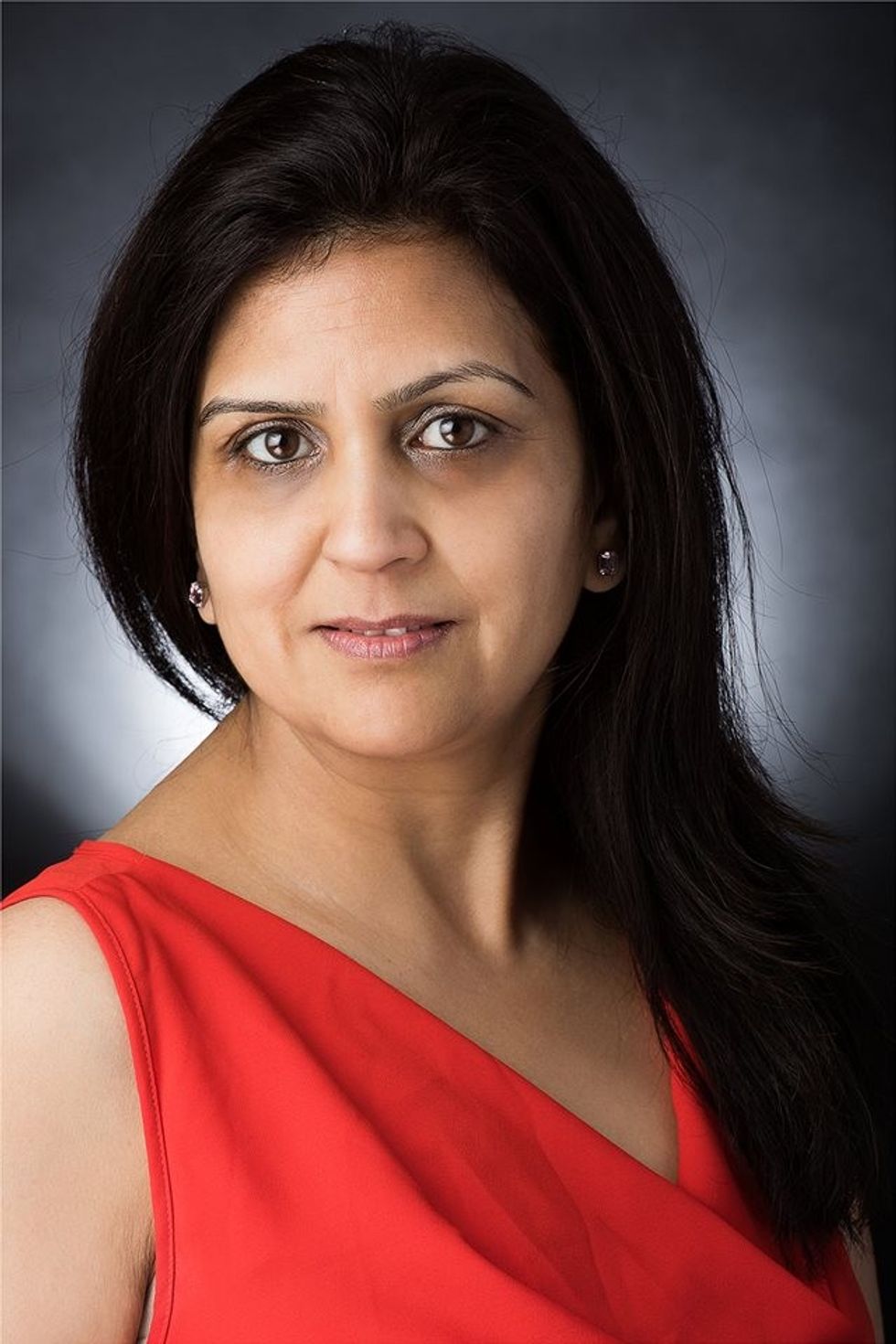 Neerja Sethi (Photo credits: iMDB)
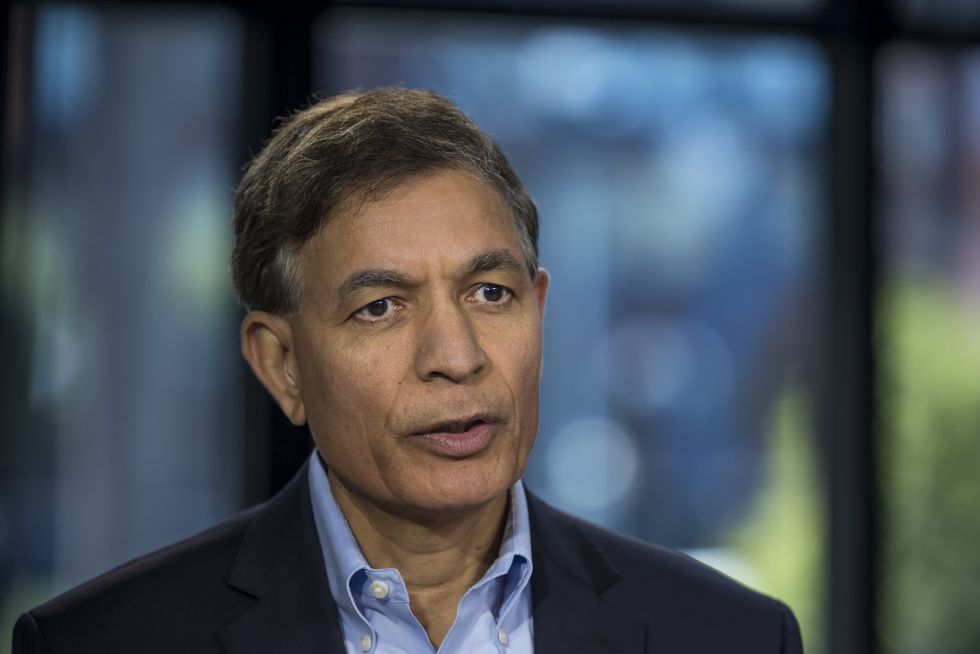 Jay Chaudhry(Photo credits:
 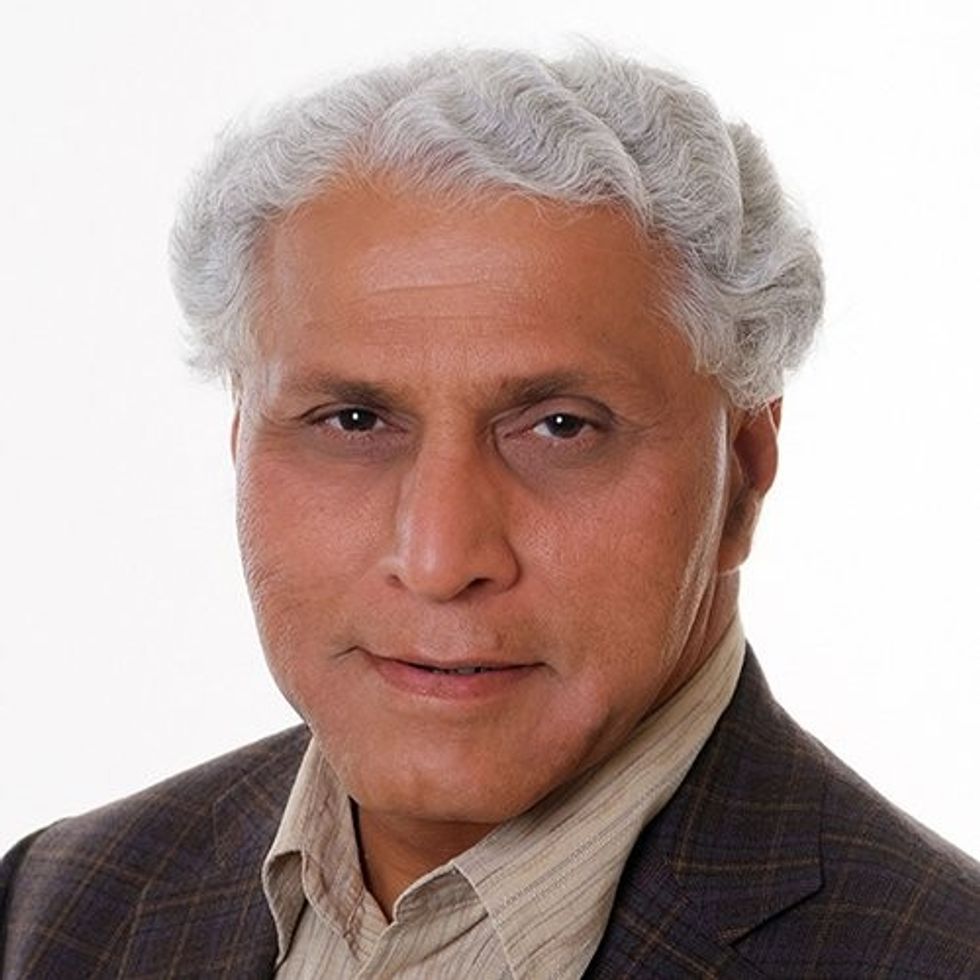 Romesh T Wadhwani(Photo credits: www.csis.org)