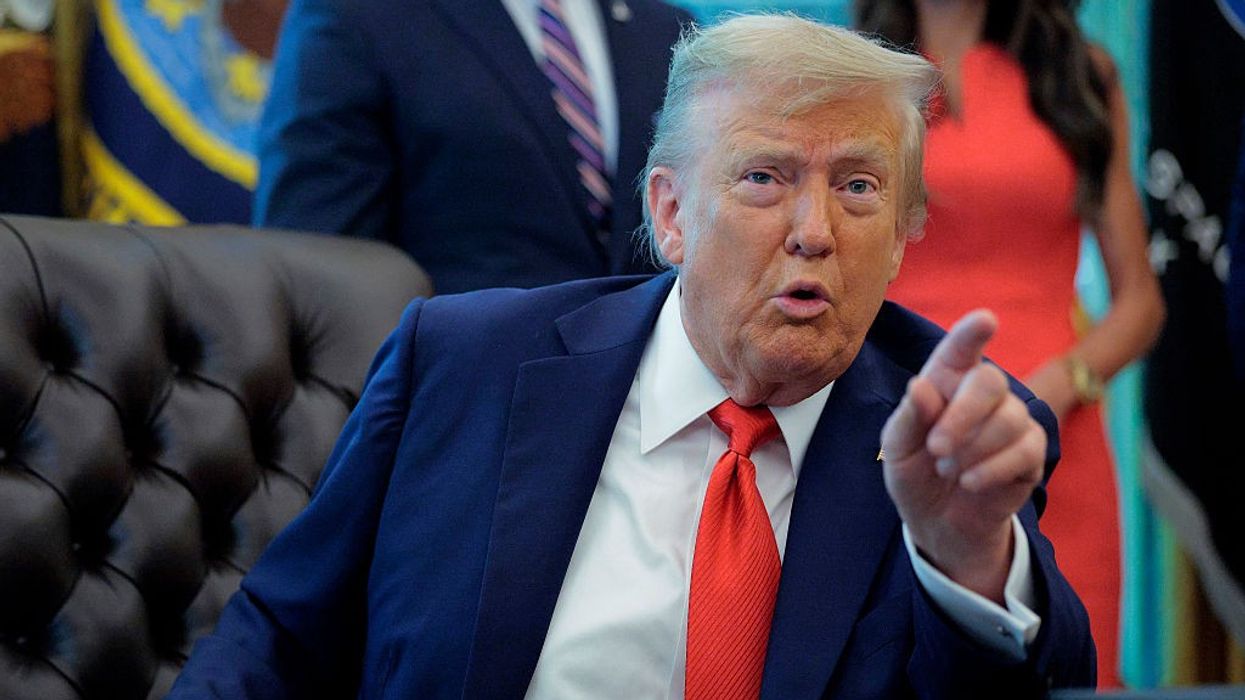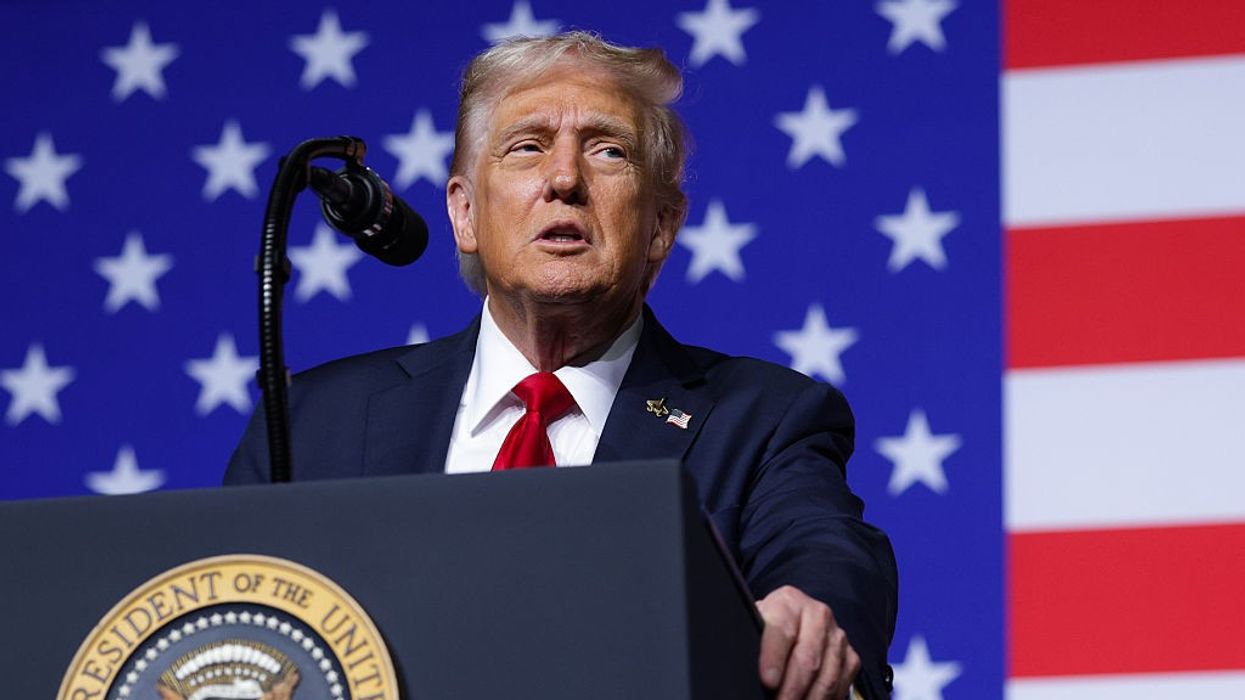
Indian-American lawmakers Pramila Jayapal, Ami Bera, and others have raised serious concerns about the Trump administration's recent decisions to impose steep tariffs on imports from India and to significantly raise fees on H1B visas, moves they say are ultimately damaging American businesses and undermining key economic partnerships.
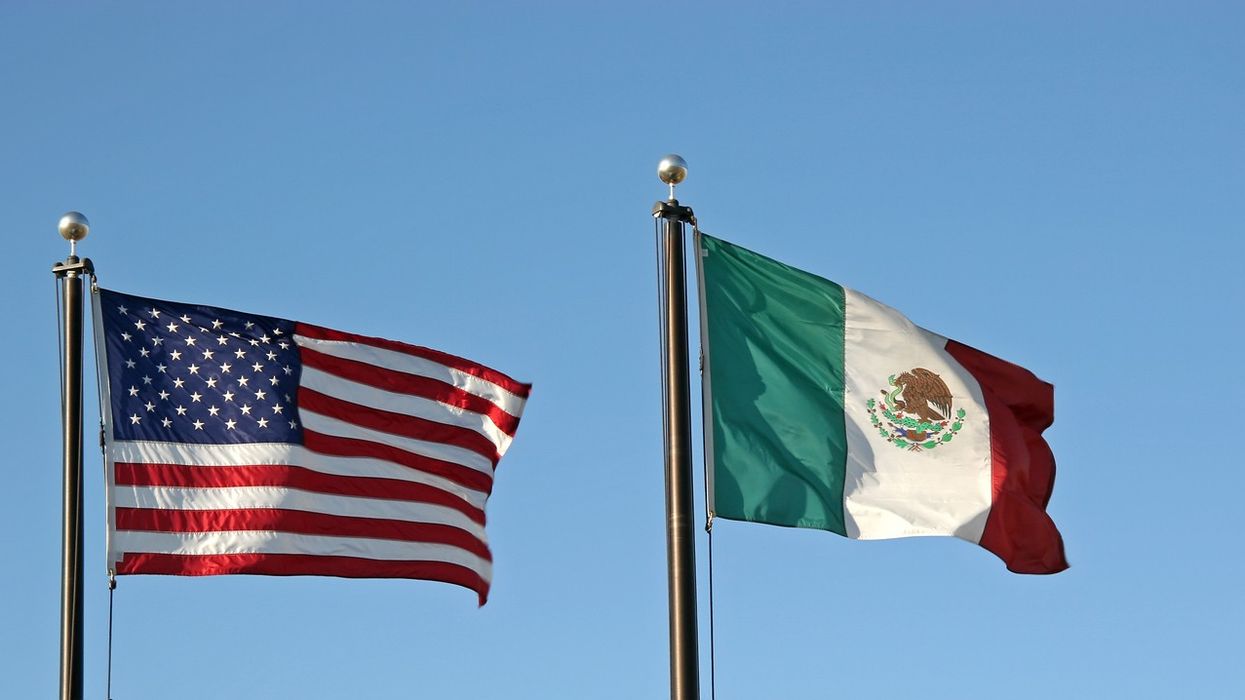
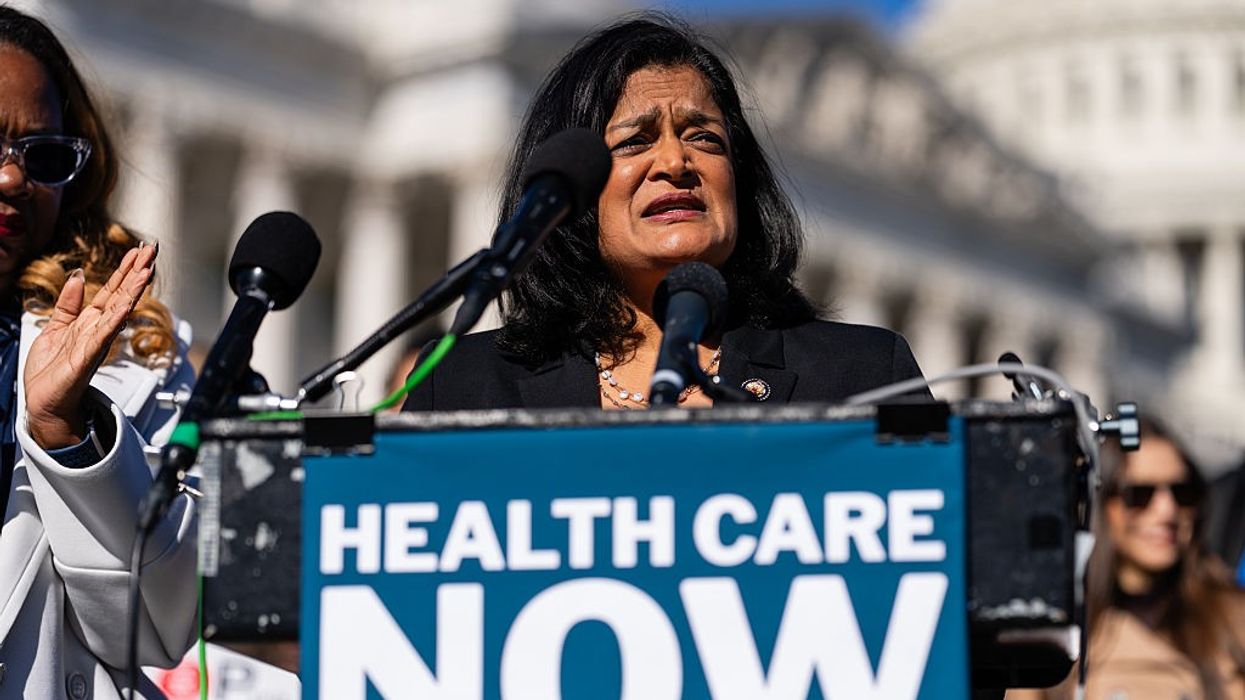
During a House Foreign Affairs Subcommittee hearing on South and Central Asia, Democratic Congresswoman Pramila Jayapal said the administration's 50 per cent tariffs on Indian goods are 'hurting American businesses and consumers.' She argued that the tariff hikes, combined with stricter immigration policies, risk weakening the deep-rooted people-to-people ties between the US and India.
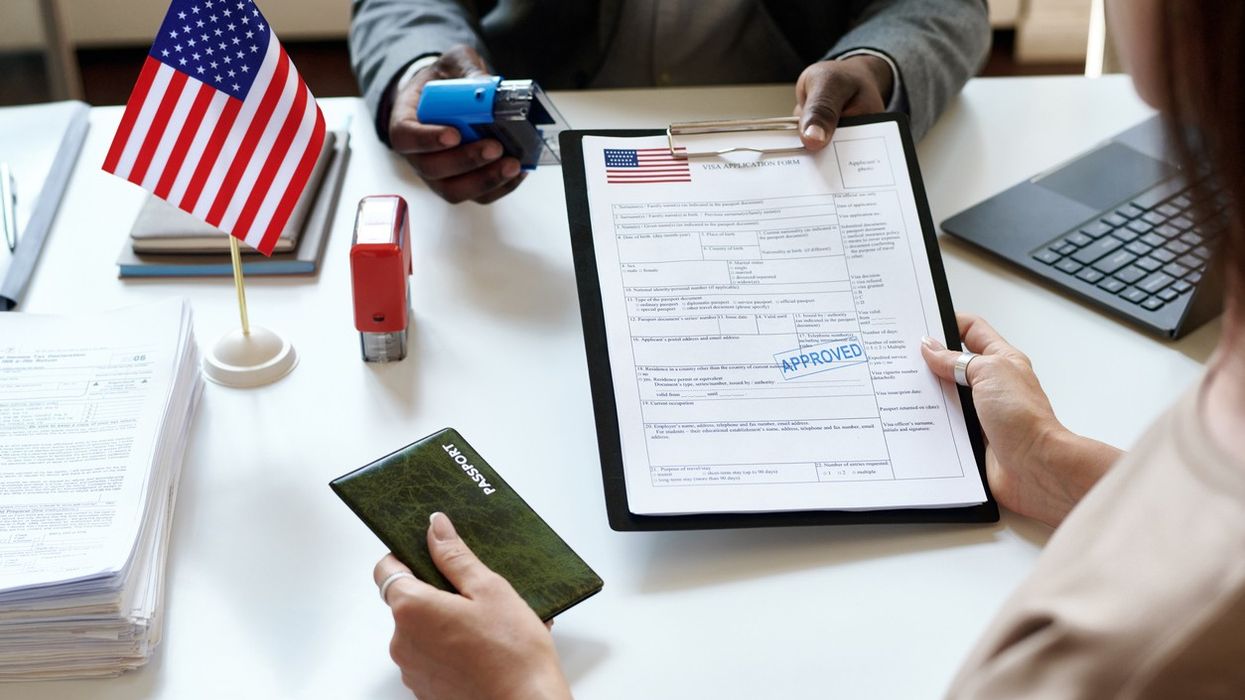
Jayapal criticized what she described as a broader crackdown on legal immigration, saying these measures are 'shutting down legal pathways' for highly skilled workers. As the only member of Congress who has been on both a student visa and an H1B visa, she said she understands the rela-world impact of restrictive immigration rules. She linked the administration's actions to a 'legacy of discriminatory quotas' that historically hindered Indian immigration.
Concerns over anti-Indian hate and community impact
Jayapal also highlighted a rise in “anti-Indian hate” across the United States. She emphasized that Indian Americans are “an integral part” of the nation’s economy, leading Fortune 500 companies, launching startups, and driving life-saving research in science and technology.
Reaction to Modi-Putin meeting
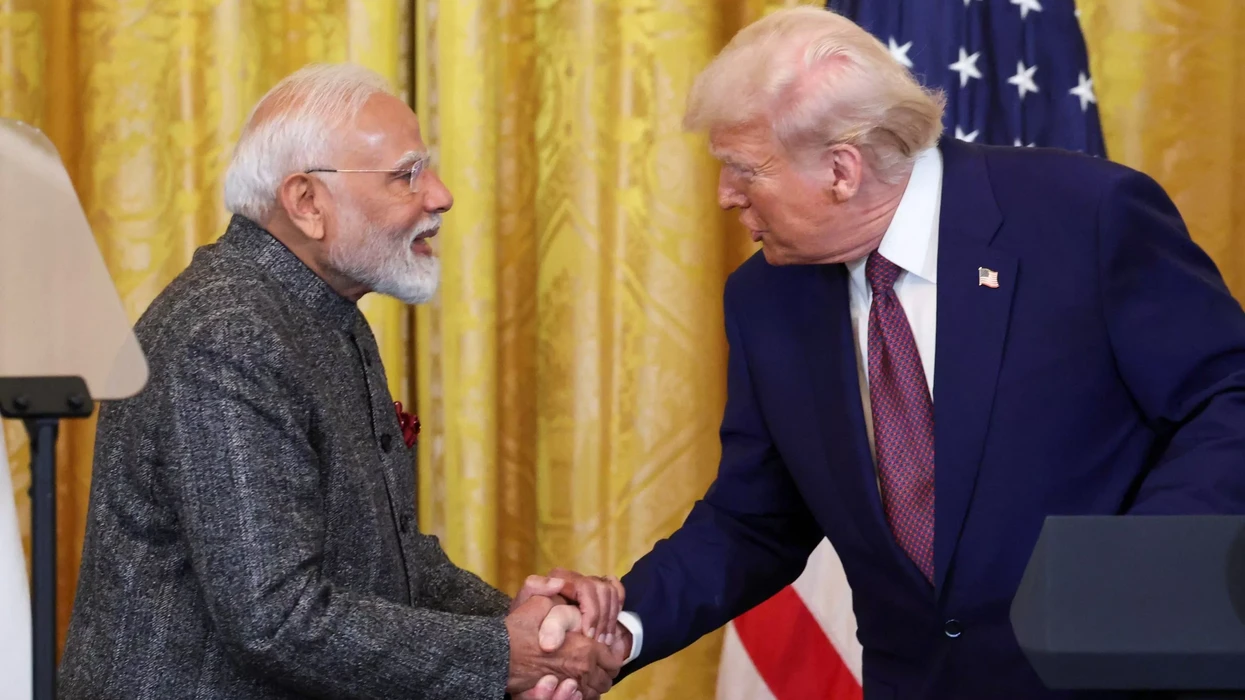
Another lawmaker, US Representative Ami Bera, noted that images of Indian Prime Minister Narendra Modi meeting Russian President Vladimir Putin “cause some heartburn” among members of Congress. Despite this, Bera underscored the strong bipartisan commitment to the U.S.–India partnership across multiple administrations.
He reiterated that both nations share key economic and strategic interests, especially in building a secure and prosperous Indo-Pacific.
Expert testimony at the hearing
The hearing also featured testimony from leading experts, including Jeff Smith of the Heritage Foundation, Dhruva Jaishankar of the Observer Research Foundation America, and Sameer Lalwani of the German Marshall Fund. Their remarks focused on strengthening US-India cooperation and safeguarding a free and open Indo-Pacific.
Despite policy disagreements, lawmakers emphasized that the long-term trajectory of US-India relations remains strong and deeply supported across party lines.