
Highlights:
- Indian Americans report a sharp rise in online hate linked to the H-1B visa debate
- IACC urges the FBI to investigate threats and inflammatory social media content
- Racist narratives accuse Indians of “stealing American jobs”
- Advocacy group warns online rhetoric could escalate into violence
- Calls grow for social media platforms to remove violent content and repeat offenders
The Indian American community in the US is raising serious concerns over a surge in online hostility and threats, which advocacy leaders warn could put lives at risk if left unaddressed. The Indian American Advocacy Council (IACC) has formally reached out to the Federal Bureau of Investigation, urging authorities to investigate what it describes as an alarming increase in hate speech and violent rhetoric targeting Indians.
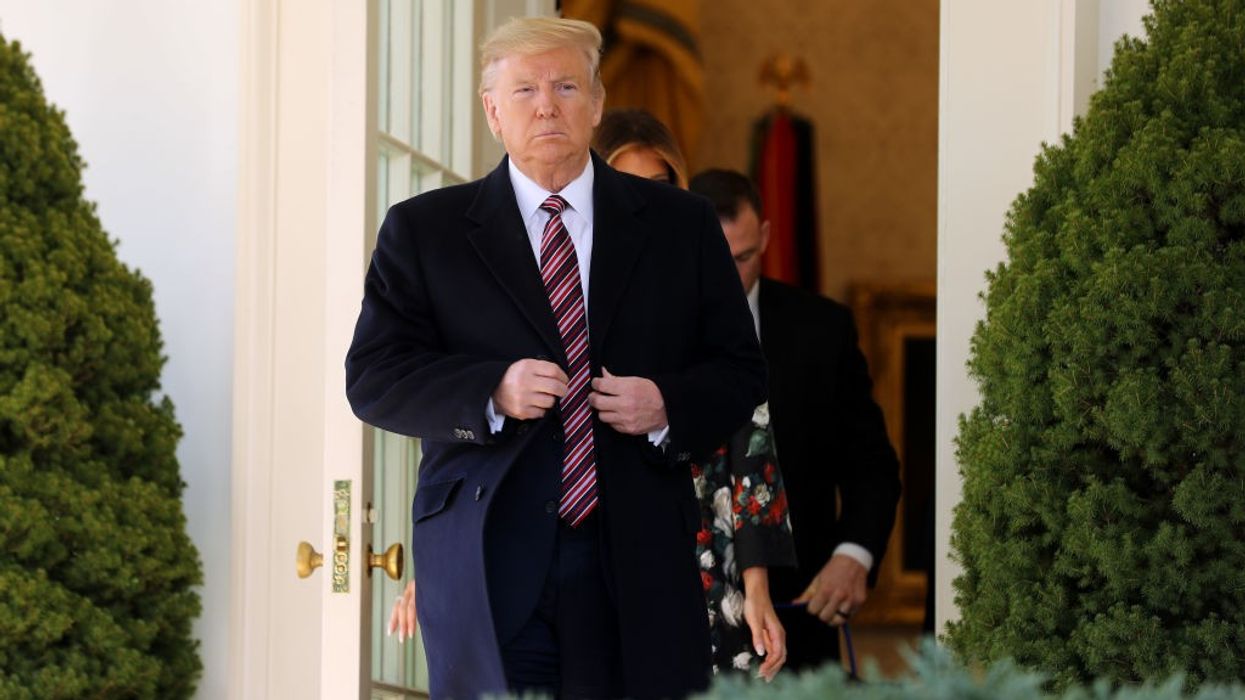
The spike in hostility comes amid heightened political debate around immigration and employment visas, particularly following former US president Donald Trump’s proposal to impose an exorbitant $100,000 fee on H-1B visa applicants, along with other restrictive immigration measures. Indians make up more than 70 per cent of H-1B visa holders, placing the community at the center of an increasingly polarized discussion about jobs, migration, and national identity.
According to the IACC, recent weeks have seen a noticeable rise in racist posts across social media platforms. Many of these messages accuse Indians of “taking American jobs” and demand that they “go back home.” More troublingly, the council says some posts—often amplified by right-wing influencer accounts—have crossed into explicit calls for violence against Indians.
In a public statement, the IACC stressed that such language cannot be dismissed as political rhetoric or provocative commentary. “This is not edgy talk or debate,” the council said, warning that these messages amount to incitement and could translate into real-world harm if ignored. The group emphasized that online hate has historically served as a precursor to physical attacks on minority communities.
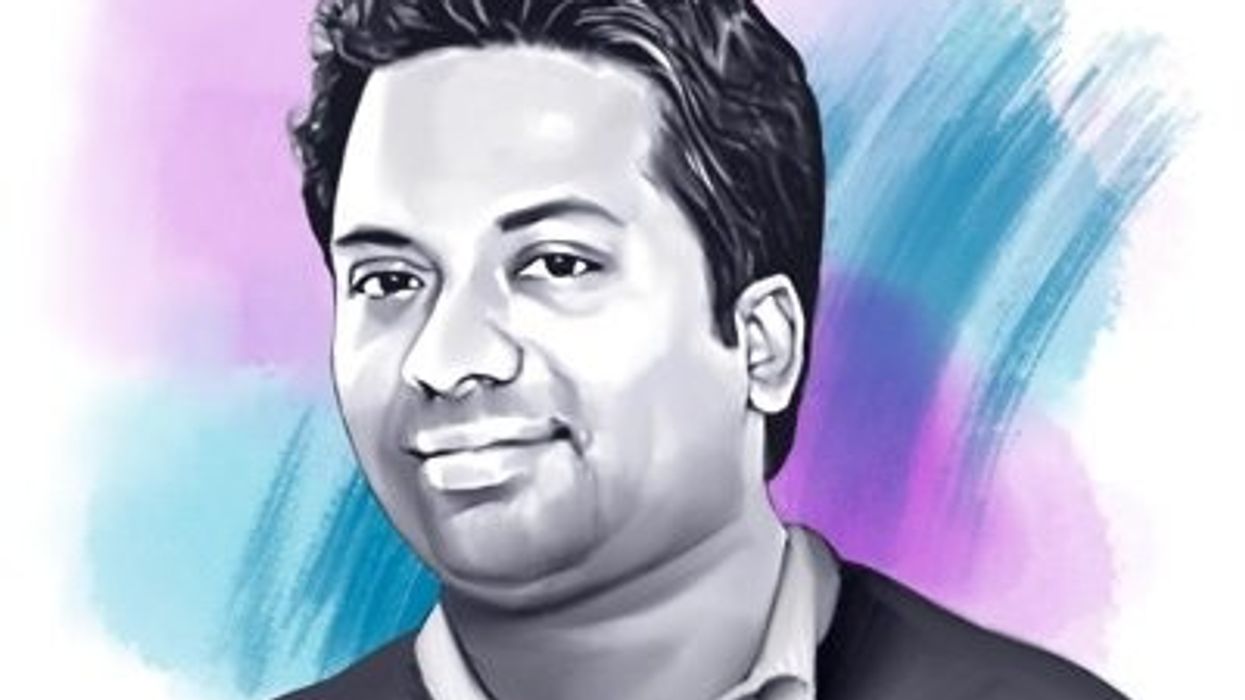
Rajeev Sharma, a founding member associated with the IACC, voiced deep concern over the tone and direction of the discourse. He said that what might have begun as a policy discussion has increasingly taken on a “dehumanizing” character, with some messages adopting what he described as “genocidal” language. Such rhetoric, Sharma noted, has no place in a democratic society and undermines the safety and dignity of Indian Americans.
While condemning the hateful content, the IACC also acknowledged individuals and groups who have publicly spoken out in defense of the Indian American community. The council praised these voices for pushing back against intolerance and reaffirming that diversity and inclusion remain core American values.
Beyond calling for a federal investigation, the IACC has urged social media companies to take stronger action. It has demanded the removal of posts that promote violence and the suspension of users who repeatedly violate platform guidelines. According to the council, coordinated action by law enforcement and technology companies is essential to prevent online hate from spilling into everyday life.
As debates around immigration and employment intensify, Indian American leaders say safeguarding communities from targeted hostility must remain a priority. “Genocidal rhetoric has no place in America,” the council reiterated, warning that failure to act now could have serious consequences later.