
Highlights:
- India has made a “final” trade offer to the US to seek removal of additional tariffs.
- Tariff concessions include almonds, walnuts, apples and industrial goods.
- Exporters are absorbing higher duties to retain US customers despite lower profits.
- The US has excluded India from the Pax Silica critical minerals and AI supply chain initiative.
- Pax Silica includes US allies such as Japan, the UK, Australia and the UAE.
India has put forward what it describes as a 'final' trade offer to the United States in an effort to roll back retaliatory tariffs imposed by the Trump administration, even as broader economic ties face new strains following India's exclusion from a US-led strategic supply chain initiative known as Pax Silica.
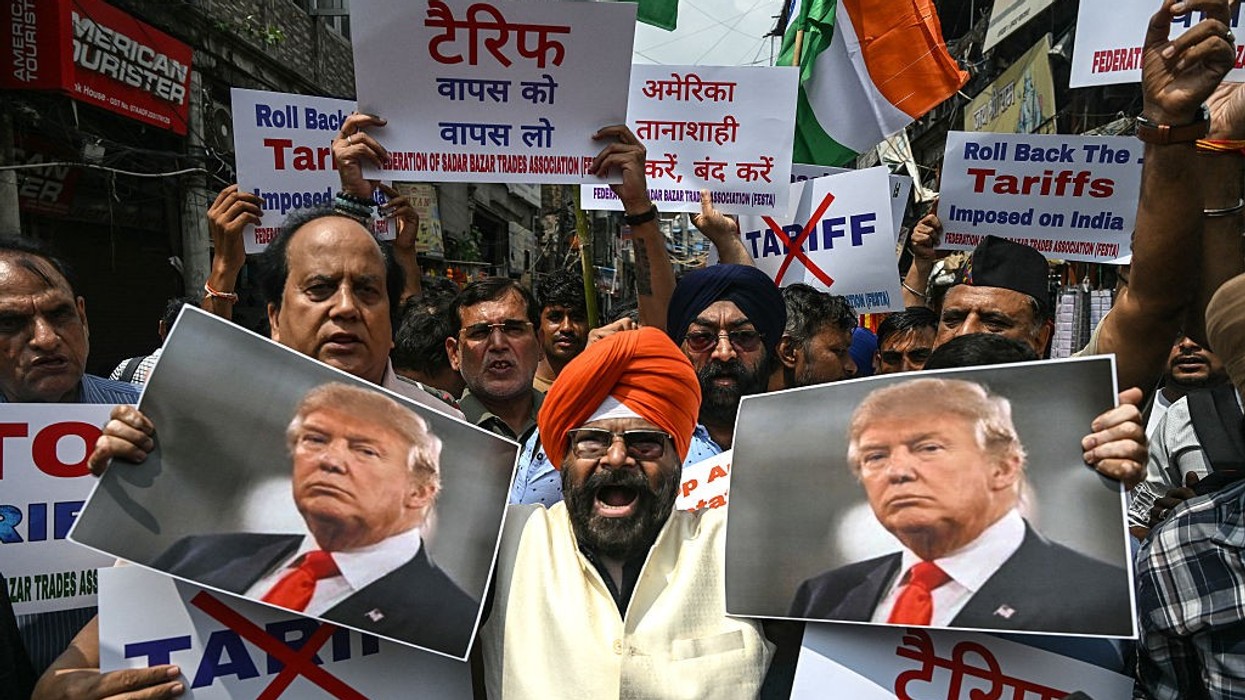
According to The Hindu, the Indian government has offered significant tariff concessions under a proposed Bilateral Trade Agreement, including the immediate removal of duties on imports of almonds, walnuts, apples, and select industrial goods. The move is aimed at persuading Washington to lift additional tariffs of up to 25 per cent imposed on Indian exports due to New Delhi’s continued purchase of Russian oil.
"India has offered the US team a revised deal. This is the final offer that India can make,” an anonymous Union government official was quoted as saying. The official added that New Delhi’s primary objective was to remove the additional levies, noting that exporters were particularly affected by higher duties. “Indian exporters have told the government that they can deal with 25 per cent tariffs since the lowest global tariff is 19 per cent, but 50 per cent tariffs are hurting,” the official said.
Indian exporters are currently absorbing higher costs to retain access to the US market, despite shrinking profit margins. A second official told the newspaper that exporters viewed this as preferable to losing American customers altogether and having to rebuild market access later. According to this official, “the two teams of negotiators have broadly done what they can; the ball is in Trump’s court to accept the deal or not.”
US Trade Representative Rick Switzer visited New Delhi for two days, ending on December 12, though Union Commerce Minister Piyush Goyal stated that the visit was not directly linked to the ongoing trade negotiations. Meanwhile, US Trade Representative Jamieson Greer told the US Senate Appropriations Committee that the proposals recently put forward by India were the “best we’ve ever received as a country”.
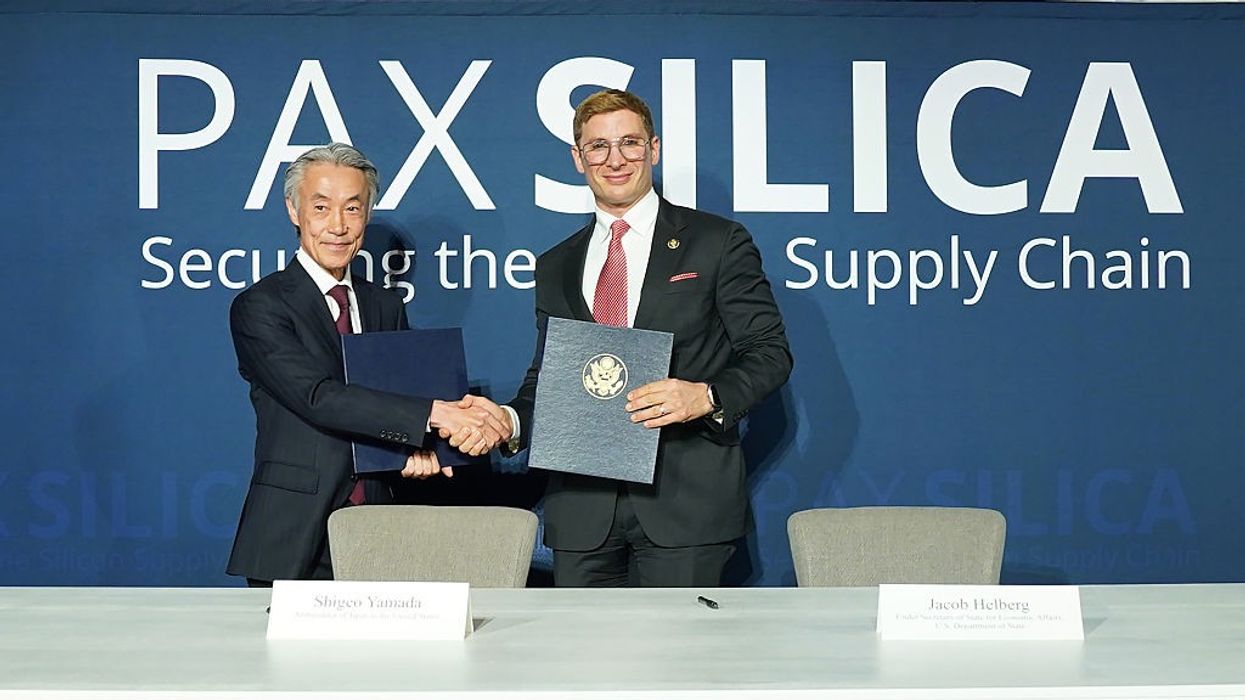
Despite these developments, India has also been dealt a setback on the strategic front. While trade talks remain unresolved, the US has left India out of Pax Silica, a new initiative aimed at building secure supply chains for critical minerals, energy inputs, and advanced technologies that underpin artificial intelligence.
According to a US State Department statement, the inaugural Pax Silica summit will bring together Japan, South Korea, the Netherlands, the United Kingdom, Israel, the United Arab Emirates, and Australia. “Together, these countries are home to the most important companies and investors powering the global AI supply chain,” the statement said.
The initiative seeks to reduce overdependence on coercive suppliers and safeguard materials critical to AI and advanced technology development. “Rooted in deep cooperation with trusted allies, Pax Silica aims to reduce coercive dependencies, protect the materials and capabilities foundational to artificial intelligence, and ensure aligned nations can develop and deploy transformative technologies at scale,” the department noted.
Participating countries have committed to joint projects addressing vulnerabilities in AI-related supply chains, including critical minerals, semiconductor design and fabrication, logistics, computing infrastructure, and energy grids. New joint ventures are also expected to focus on trusted technology ecosystems such as ICT systems, fibre-optic networks, data centres, and foundational AI models.





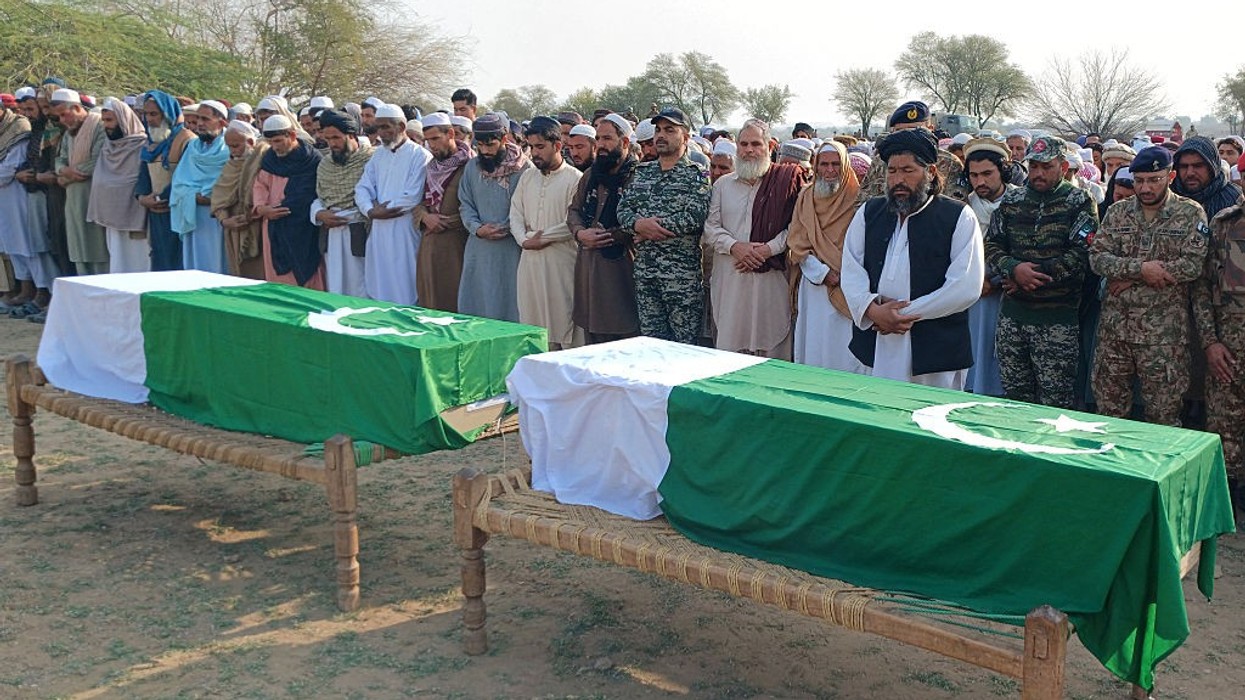
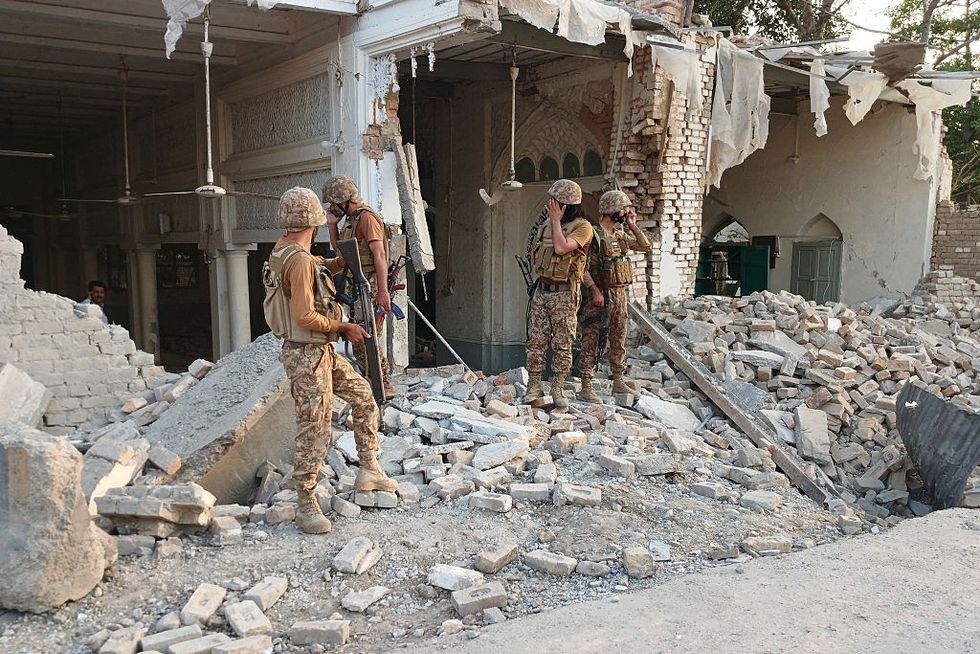 Army personnel stand amid the rubble following an explosion inside the police headquarters at Kohat in Pakistan's Khyber Pakhtunkhwa province on September 18, 2026. An explosion at a historic police headquarters in northern Pakistan on September 18 killed at least eight people and wounded 35 more, officials said, with the country's president swiftly blaming a militant group. Getty Images
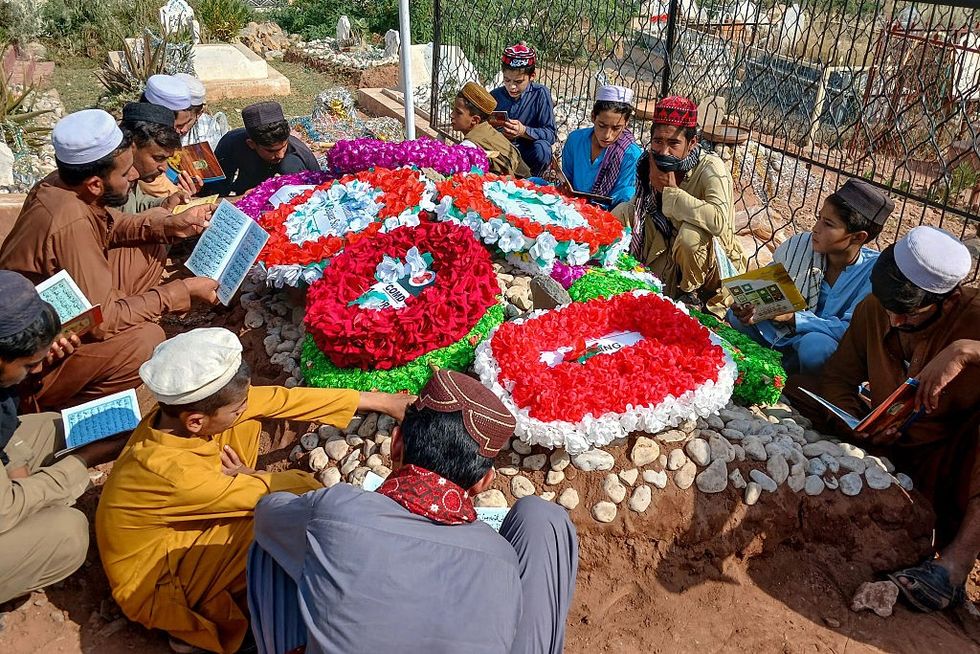 Mourners read the holy Quran while sitting around the grave of a paramilitary personnel of the Frontier Corps (FC) who was killed during the Afghanistan-Pakistan border clashes, in Kohat on October 17, 2025. A ceasefire along the frontier between Afghanistan and Pakistan was holding on October 16, officials on both sides said, after dozens of troops and civilians were killed in cross-border clashes.Getty Images
Katrina Kaif reacts to postpartum beauty comments, reveals her 'skin became sensitive' and 'feeling best matters more'