
Highlights:
- Indian families are taking on massive education loans to fund US degrees
- Tighter visa policies and fewer jobs are trapping students in limbo
- Parents quietly absorb financial stress to protect their children
- Delayed H-1B success is pushing families toward asset sales
- What was once opportunity now feels like a high-stakes gamble
For generations, the US has represented possibility for Indian families, a place where sacrifice today could secure stability tomorrow. Parents sold land, mortgaged homes, and drained savings to send their children abroad, believing that a US degree would lead to paying high-paying jobs, permanent residency, and a better life for the entire family.
Today, that belief is cracking...
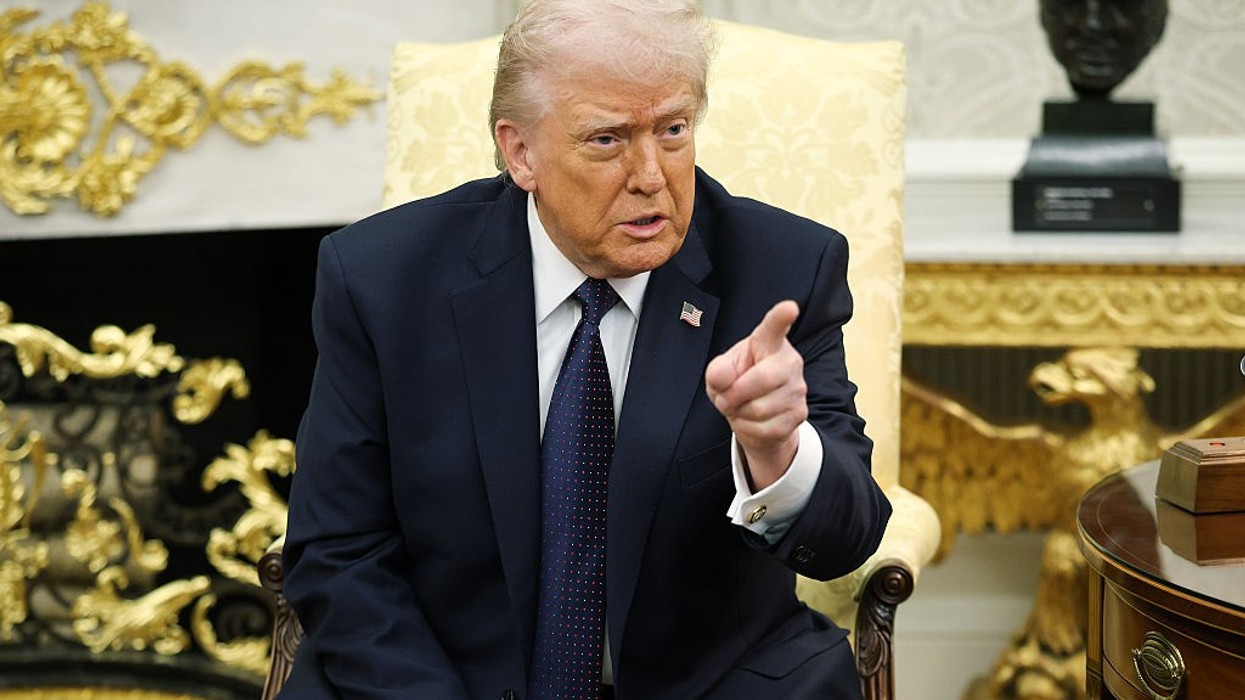
With stricter visa scrutiny, a cooling job market, and policy shifts under president Donald Trump's second administration, thousands of Indian students and families financing their dreams are stranded between hope and hardships.
The human cost of this uncertainty came into sharp focus through a recent post on X by Vishakhapatnam-based entrepreneur Aditya, who shared the story of a close friend's quiet financial unraveling.
The father, a small business owner with limited means, took out education loans totaling about $180,000 to send both his sons to the United States for master’s degrees. As months stretched into years without stable jobs or success in the H-1B lottery, the pressure steadily mounted.
The sons relied on part-time work and ongoing support from home, but policy changes eventually forced them to give up their campus jobs, sharply increasing the financial strain on the family.
Monthly remittances rose from roughly $1,200 per child to nearly $2,400 each. Interest continued to pile up. By the time the reality set in, the total loan burden had swollen to more than $240,000.
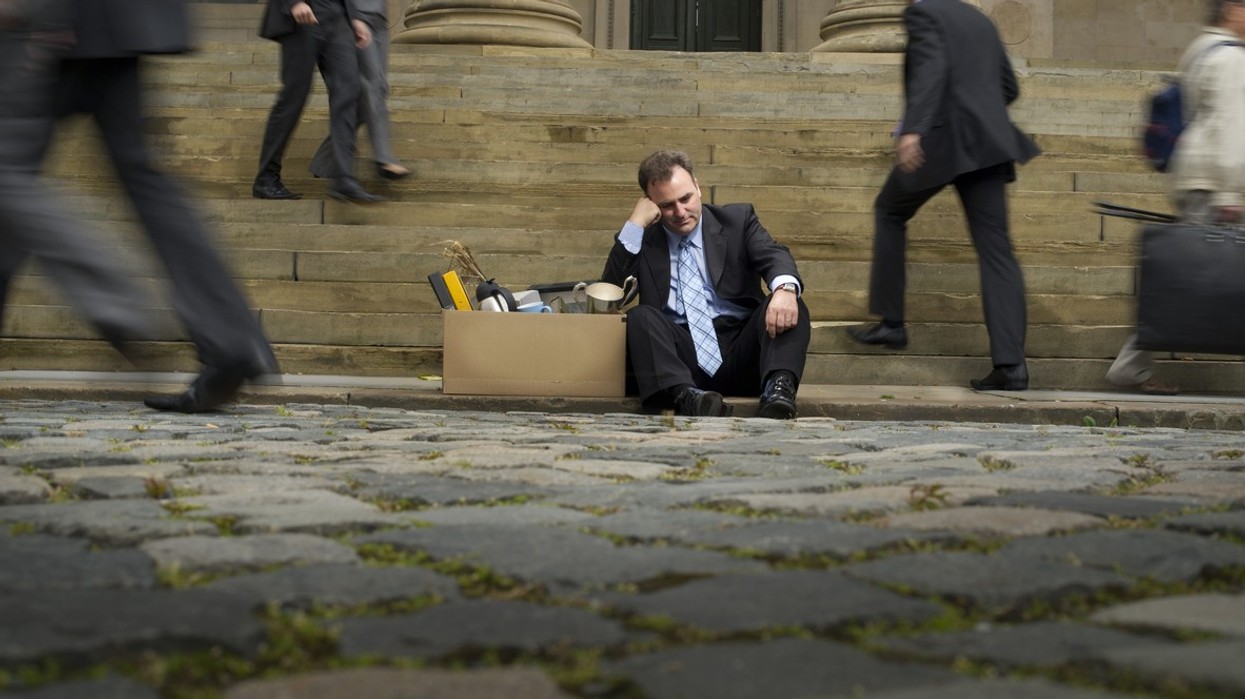
With his business faltering back in India, the father began preparing to sell his apartment, the last significant asset standing between the family and financial collapse.
Relief arrived late and only partially. The elder son was finally selected in the most recent H-1B lottery and secured a full-time job. The salary, Aditya noted, was far from exceptional, but it was enough to let the family breathe again.
“It is a terrible situation to be in,” Aditya wrote, adding that tens of thousands of Indian families are facing similar circumstances, with more joining the pipeline each year.
For a long time, the H-1B visa functioned as a dependable bridge from campus to career, particularly for Indian STEM graduates who dominate both classrooms and visa applications. That bridge has narrowed considerably. Fewer entry-level roles, higher rejection rates, and prolonged uncertainty are forcing families to keep sending money abroad or confront the possibility of returning home burdened with staggering debt.
The emotional toll often remains hidden. Parents reassure their children not to worry, even as loans grow and assets hang in the balance. Students, meanwhile, live with the knowledge that their family’s financial future is tied directly to their success overseas.
What was once promoted as a pathway to global mobility now feels like a high-risk gamble. Aditya’s message ends not with blame, but with a call for empathy — and a warning to families considering unaffordable loans this year: pause, reassess, and think carefully before betting everything on a promise that no longer feels guaranteed.