

HUNGRY, but don't have cash? No problem, bring plastic waste and get a free meal, said the mayor of an Indian city where the country's first "garbage cafe" will open next month.
The small restaurant in the eastern city of Ambikapur will provide hearty food to homeless and poor people and encourage citizens to keep their streets clean, said mayor Ajay Tirkey.
"Everybody is welcome to donate plastic. The cafe will be mainly run by women... Preparations are in full swing!" he told on Wednesday (24).
Single-use plastics are banned in many states, but Indians still generate 26,000 tonnes of plastic waste every day, according to government data. The waste is often dumped in streets, drains and landfills.
The Garbage Cafe, inspired by similar cafes that have opened in countries including Cambodia and Belgium, wants to change that.
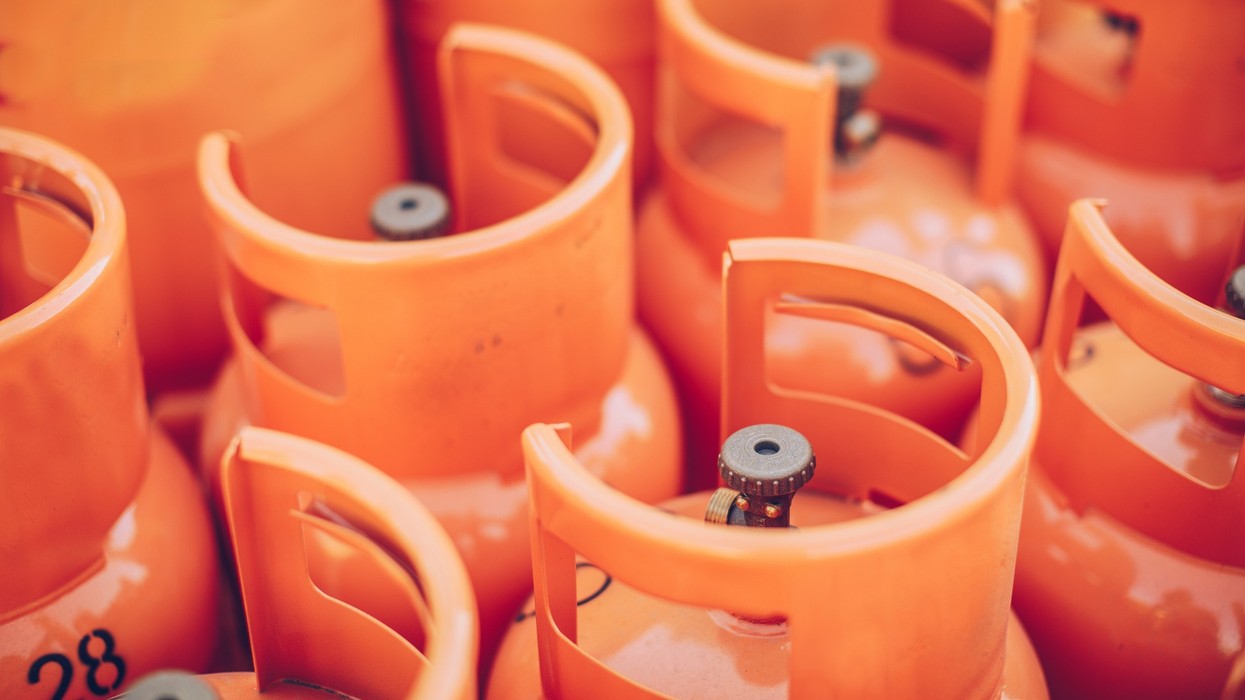
In exchange for one kilogram (2.2 lb) of plastic, the cafe will serve curry with rice, lentils, and papadams, said Tirkey, estimating that would take a couple of hours to collect.
For half that weight, punters will receive a breakfast of samosas, lentil doughnuts or stuffed flatbreads.
A waste management system set up in 2015 and run by women who go door-to-door collecting plastic for recycling, has helped make Ambikapur one of India's cleanest cities.
The city built a road made entirely of plastic in 2015, India's first and earns Rs 1.2 million ($17,400) a month selling plastic and recycled paper to private companies, according to Tirkey.
In a similar move earlier this year, a school in northeastern Assam state started providing free schooling to students in exchange for plastic waste.

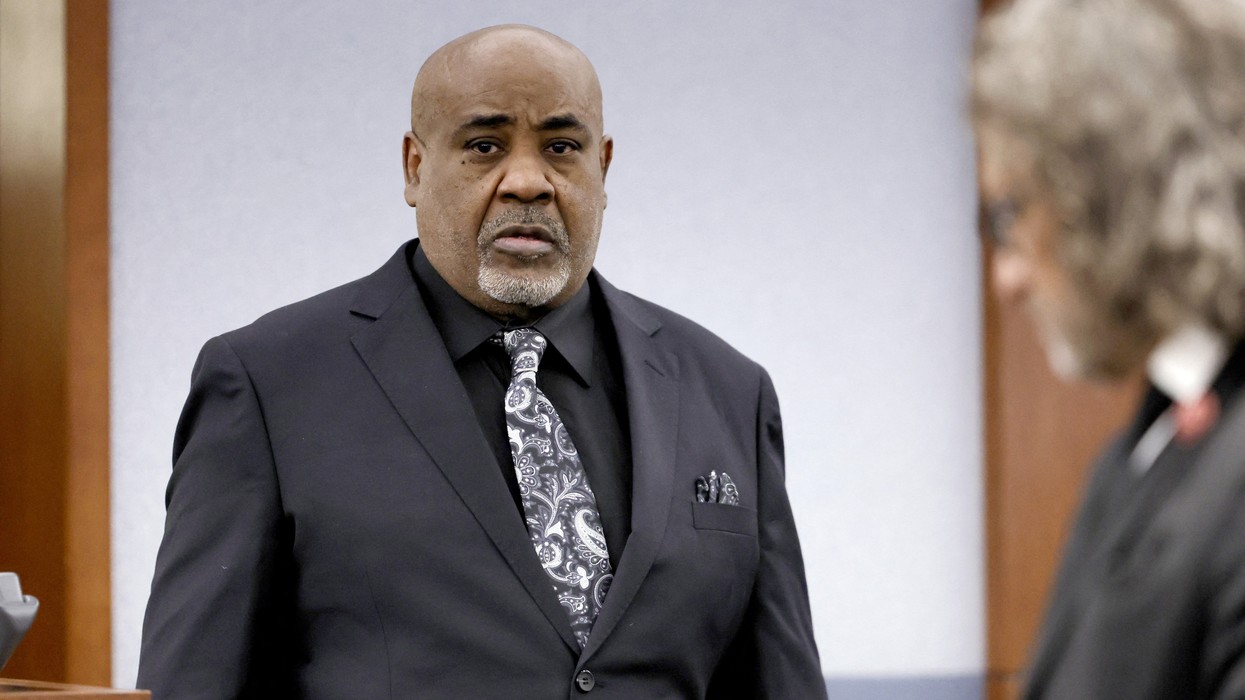
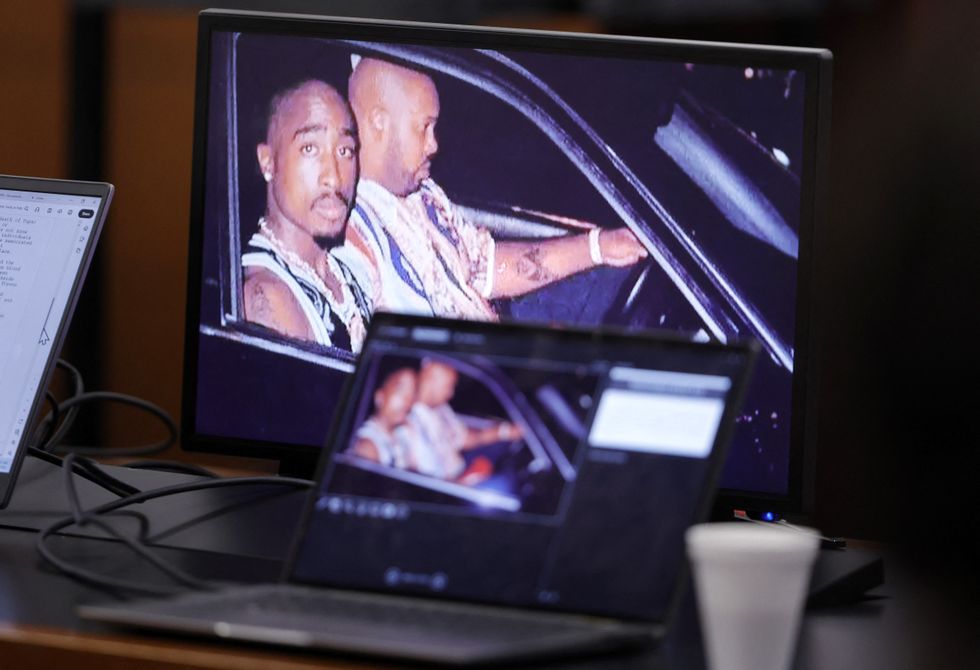 A 1996 photo of rapper Tupac Shakur (L) and Marion "Suge" Knight is shown on screens during closing arguments in the Duane Davis murder trial, related to the 1996 killing of rapper Tupac Shakur, at Clark County District Court at the Regional Justice Center in Las Vegas, Nevada, on August 31, 2026. Getty Images


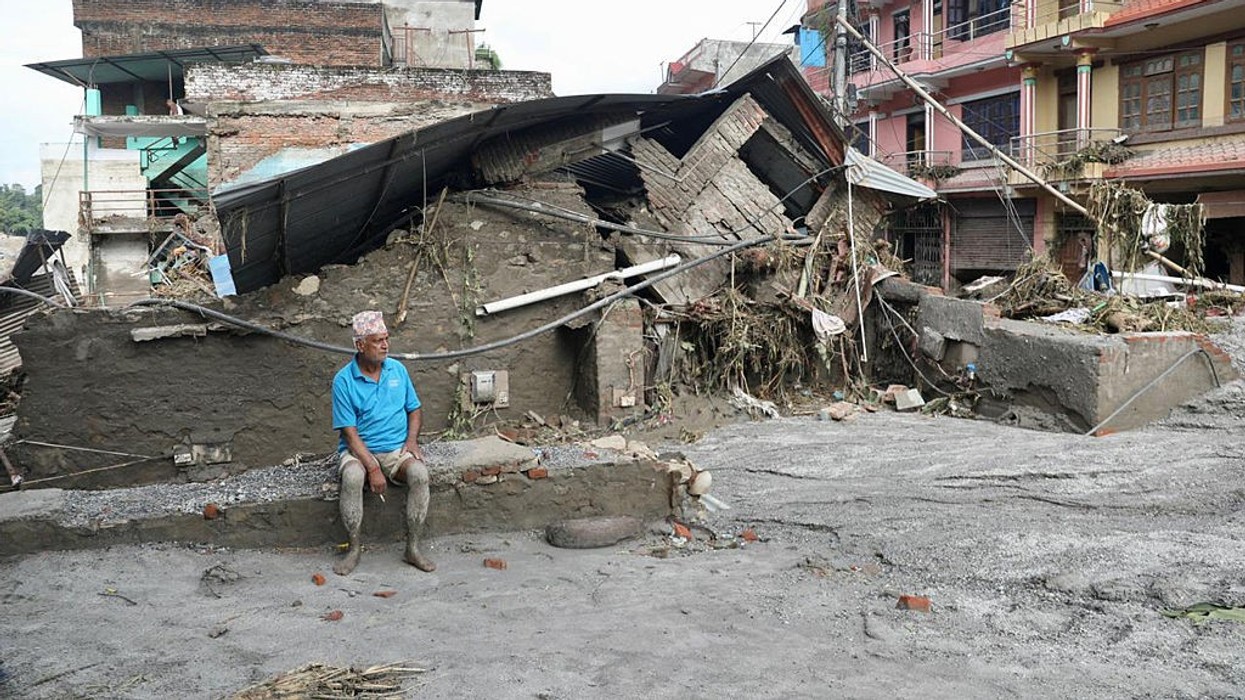
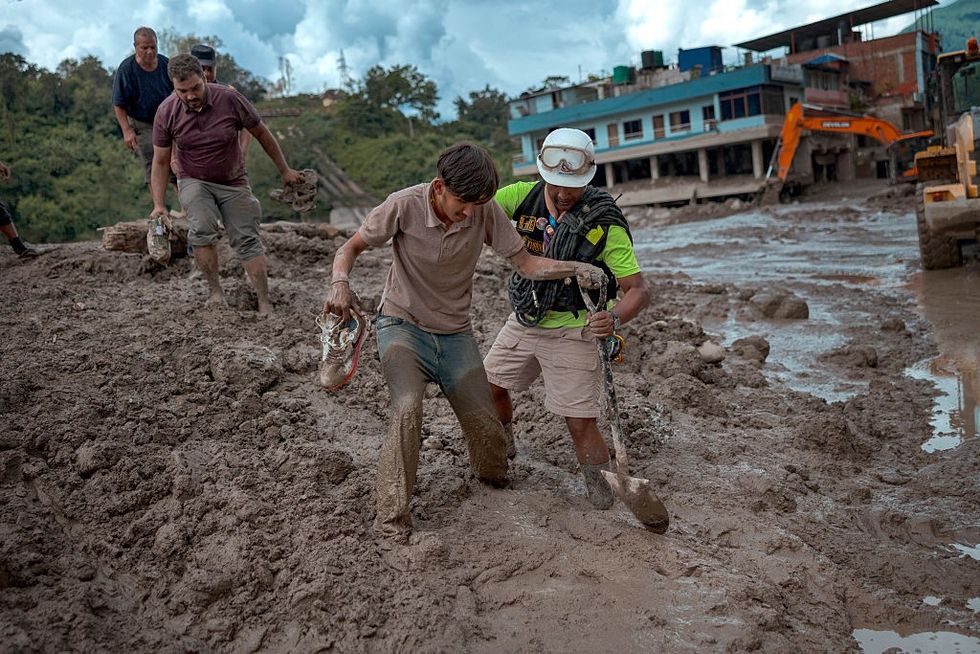 A rescuer assists a resident through heavy mud following flash floods on August 27, 2026 in Trishuli, Nepal. A sudden flood swept through the Bhote Koshi River basin in northern Rasuwa on August 26, damaging settlements, roads and energy infrastructure as rescue teams searched for residents and foreign travellers reported out of contact. Hundreds were reported missing, as the death toll started to climb.Getty Images
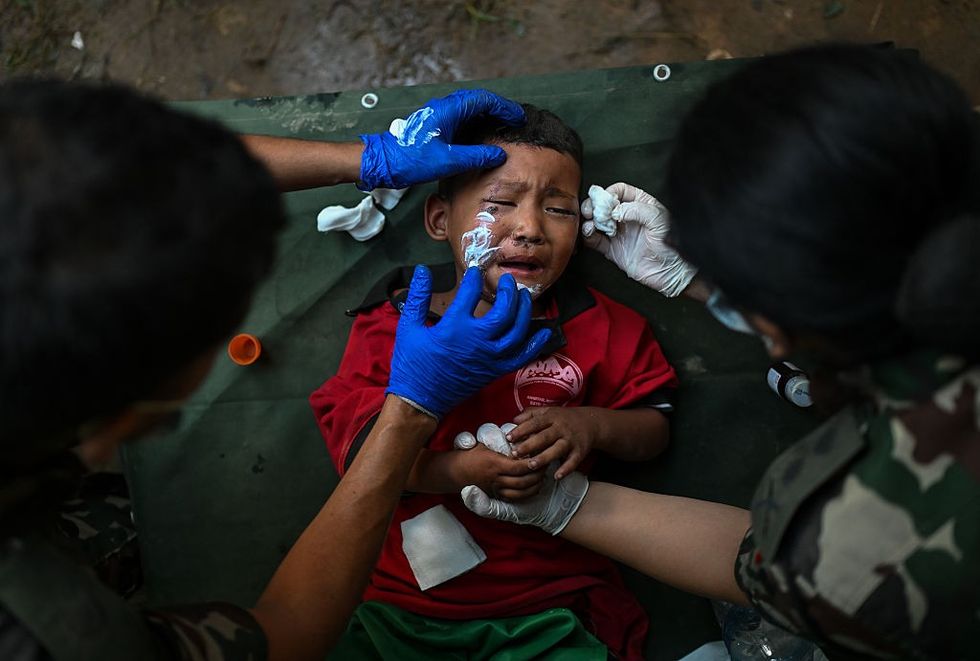 Rescue personnel provide medical treatment to a child at an army rescue camp in Trishuli Batar, Nepal, on August 27, 2026. A sudden flood swept through the Bhote Koshi River basin in northern Rasuwa on August 26, damaging settlements, roads and energy infrastructure, as rescue teams searched for residents and foreign travellers reported out of contact. Hundreds were reported missing as the death toll began to climb. Getty Ima
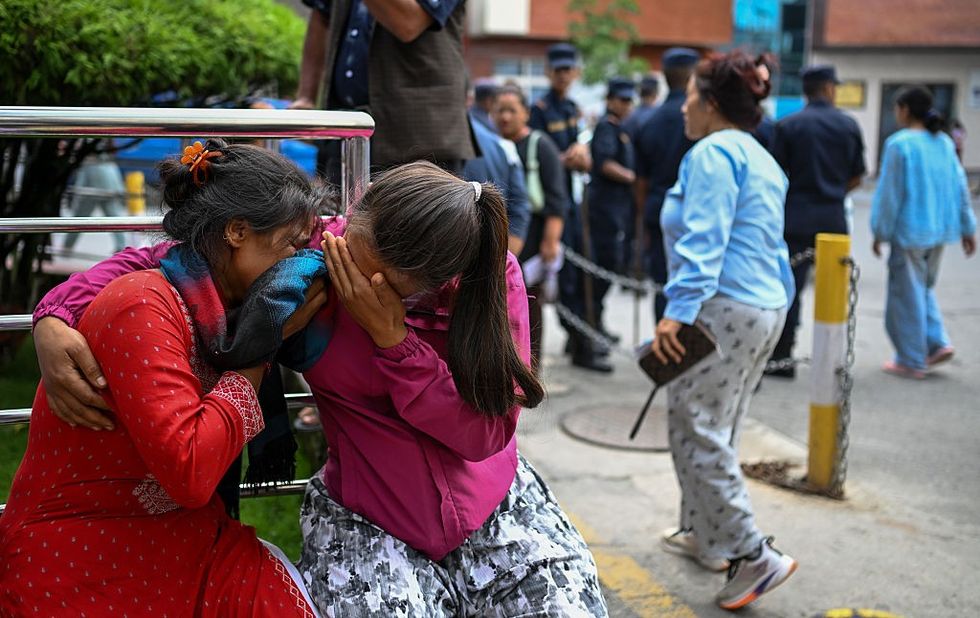 Family members of missing flood victims react at the emergency ward of the Maharajgunj Medical Campus, part of the Tribhuvan University Teaching Hospital, on August 28, 2026 in Kathmandu, Nepal. Authorities said the flash floods were triggered after a mass of ice, mud and rock collapsed into a Himalayan river near the Nepal-China border, leaving hundreds dead or missing and causing widespread damage in affected districts. Authorities continued the gruelling search for victims, many buried under metres of mud, as both China and Nepal issued fresh flooding alerts.Getty Images