THE CONTROVERSY over how India and Pakistan arrived at a ceasefire after four days of fighting refuses to die down.
The Trump administration has told a New York court that India and Pakistan reached a “tenuous ceasefire” only after president Donald Trump intervened and offered both nations trading access.
Indian government has maintained that the two countries reached an understanding without any third-party involvement.
Foreign minister S Jaishankar on Monday (26) told a parliamentary panel that the decision to halt the military operation was taken bilaterally after a request from the Pakistan side, and there was no US "interference".
But US commerce secretary Howard Lutnick, in a submission to the Court of International Trade last week, argued that Trump used his emergency powers under the International Emergency Economic Powers Act (IEEPA) to impose tariffs aimed at protecting US national security and economy.
Lutnick said that the maintenance of tariffs is crucial to the president’s ability to conduct real-world diplomacy.
“For example, India and Pakistan - two nuclear powers engaged in combat operations just 13 days ago - reached a tenuous ceasefire on May 10, 2025. This ceasefire was only achieved after President Trump interceded and offered both nations trading access with the United States to avert a full-scale war," Lutnick claimed in the submission.
“An adverse ruling that constrains presidential power in this case could lead India and Pakistan to question the validity of president Trump's offer, threatening the security of an entire region, and the lives of millions,” he said.
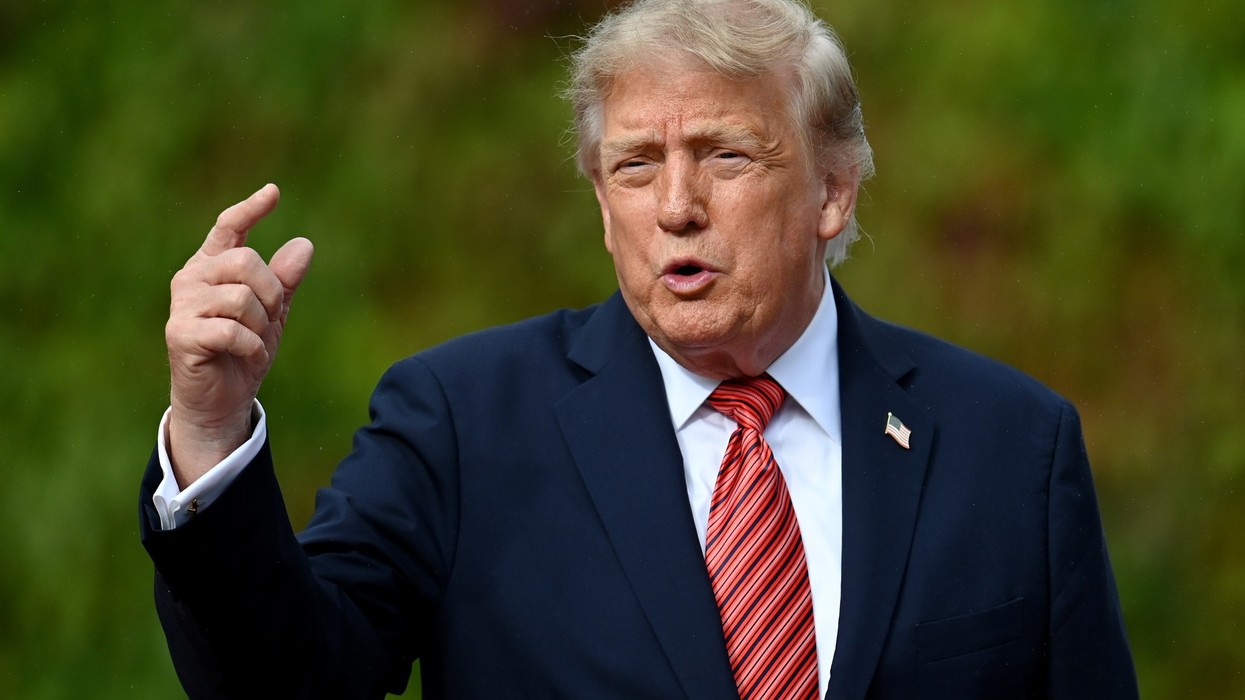
Trump has repeatedly claimed that he “helped settle” the tensions between India and Pakistan and told the nuclear-armed South Asian neighbors that America would do a “lot of trade” with them if they stopped the conflict.
About two weeks after the horrific April 22 terror attack in Pahalgam in Jammu and Kashmir, in which 26 civilians were killed, India launched Operation Sindoor targeting terror infrastructure in Pakistan and Pakistan-occupied Kashmir.
India and Pakistan reached an understanding on May 10 to end the conflict after four days of intense cross-border drone and missile strikes.
Lutnick said that IEEPA gives the US president a pivotal tool to express his foreign policy promptly and decisively to address national emergencies that manifest through economic and commercial channels.
“An invalidation of president Trump's ability to use IEEPA would dismantle a cornerstone of his national security architecture, irreparably harm the government's ability to respond to evolving foreign threats and severely disrupt the Department of Commerce’s coordination of foreign policy-related economic actions on behalf of the President," said Lutnick.
"It would jeopardise vital trade agreements, collapse ongoing negotiations, allow for Chinese aggression during a period of strategic competition, leave the American people exposed to predatory economic practices by foreign actors and threaten national security,” he added.
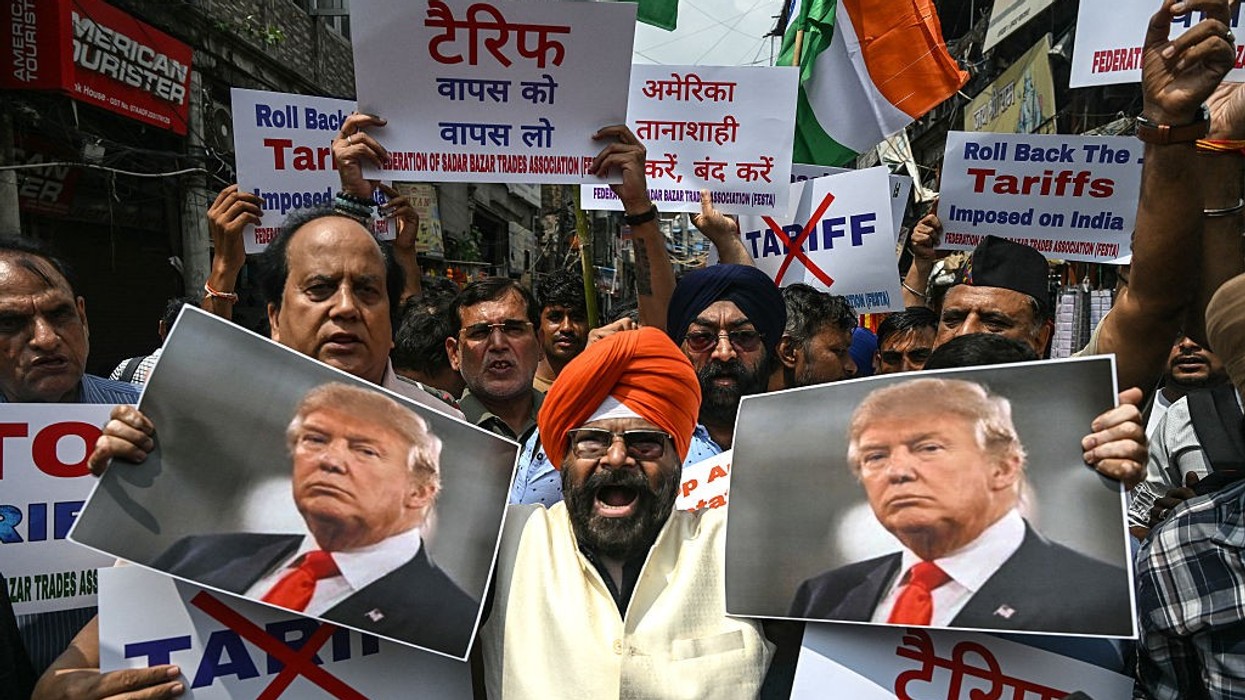
On April 2, Trump announced sweeping reciprocal tariffs on several countries, including India and China.
However, on April 9, he announced a 90-day suspension of these tariffs until July 9 this year, except for those on China and Hong Kong, as about 75 countries approached America for trade deals.
On Wednesday, a three-judge panel of the Court of International Trade struck down Trump's global tariffs as "contrary to law", according to ABC News.