
Highlights:
- India’s oil reserves cover about 9.5 days at full capacity
- Current stock levels are only around 64 per cent filled
- Country imports more than 85 per cent of its crude oil
- Rising tensions in West Asia increase supply risks
- Expansion of reserves is planned but not yet complete
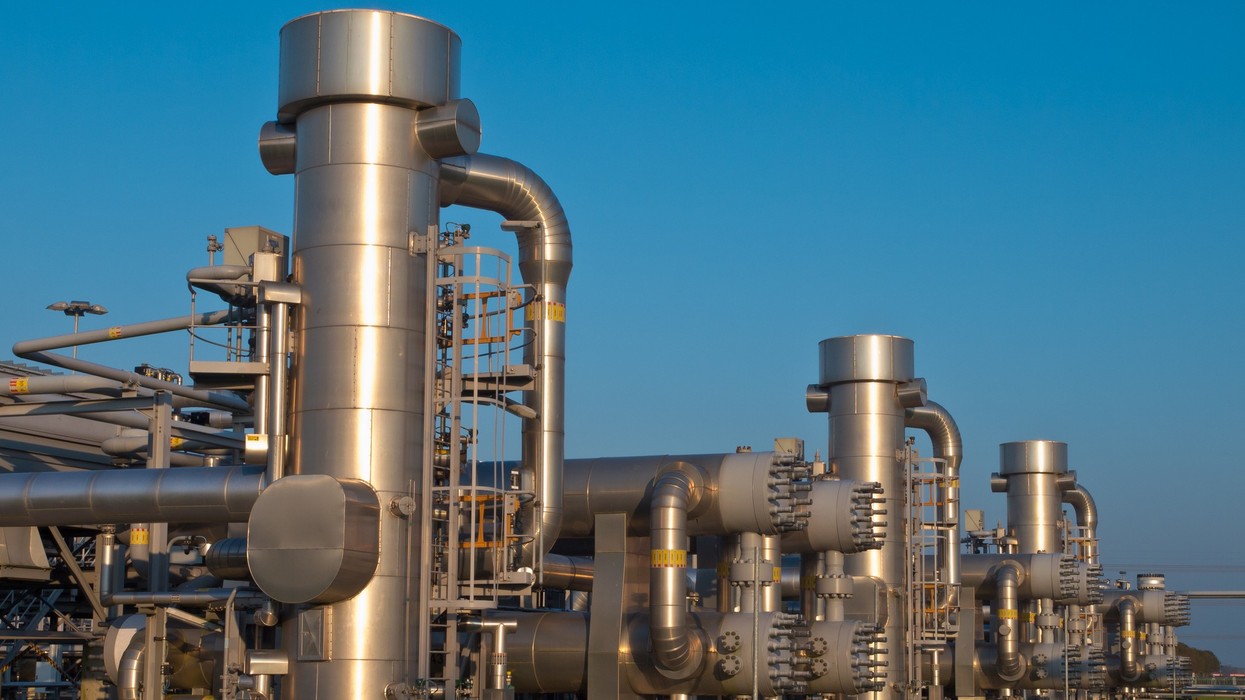
India’s strategic crude oil reserves can cover less than 10 days of national demand, according to recent government data revealed through a Right to Information (RTI) request. This has raised concerns about the country’s preparedness in case of global supply disruptions, especially at a time of rising geopolitical tensions.
Data shared in the Rajya Sabha on Monday (23) shows that India currently holds about 3.372 million metric tonnes of crude oil. This is only around 64 per cent of the country’s total storage capacity of 5.33 million metric tonnes. At full capacity, these reserves are estimated to cover about 9.5 days of demand. However, since the reserves are not filled, the actual coverage is even lower.
Strategic oil reserves are emergency stockpiles maintained by governments to deal with crises such as wars, supply disruptions, or sudden price spikes. These reserves help ensure that essential services and industries continue to function even if imports are affected.
India depends heavily on imported oil, with more than 85 per cent of its crude oil coming from other countries. This makes the country vulnerable to global supply shocks. Any disruption in international supply chains can have a direct impact on fuel availability and prices within the country.
The situation is particularly concerning due to ongoing tensions in West Asia, a region that supplies a large share of India’s oil imports. One major risk area is the Strait of Hormuz, a narrow but critical route through which a significant portion of the world’s oil supply passes. Any conflict or blockage in this region could disrupt global oil flows and push prices higher.
India’s strategic petroleum reserve program was first approved in 2004. To manage these reserves, the government set up the Indian Strategic Petroleum Reserves Limited. Currently, the reserves are stored across three locations: Visakhapatnam, Mangaluru, and Padur. Together, these sites make up the country’s total storage capacity of 5.33 million metric tonnes.
However, the actual level of reserves is not fixed. It changes based on how much oil is stored and how quickly it is used. This makes the effective coverage fluctuate over time.
To improve energy security, the government approved an expansion plan in July 2021. This includes building new storage facilities at Chandikhol in Odisha and expanding the existing site at Padur in Karnataka. The total planned addition is 6.5 million metric tonnes of storage capacity. These projects are being developed under a public-private partnership model but are not yet operational.
The delay in expanding and filling these reserves has raised questions about whether India is adequately prepared for future crises. With global energy markets becoming more uncertain, having a strong and reliable reserve system is becoming increasingly important.
Narendra Modi has stated that the government is working to diversify its energy sources and reduce dependence on specific regions. He emphasized the importance of securing supply chains and maintaining stable access to oil and gas.
Overall, the current data highlights a gap between India’s energy needs and its emergency preparedness. While plans are in place to strengthen reserves, the country may still face risks if a major global supply disruption occurs before these measures are fully implemented.











 Let’s stop shaming Genzfor switching jobsI see a lot of ‘career gurus’shaming 22-year-olds for switching jobs every year.But isn’t that exactly what the youth should be doing? 🤔Early in our… | Anupam Mittal | 561 comments