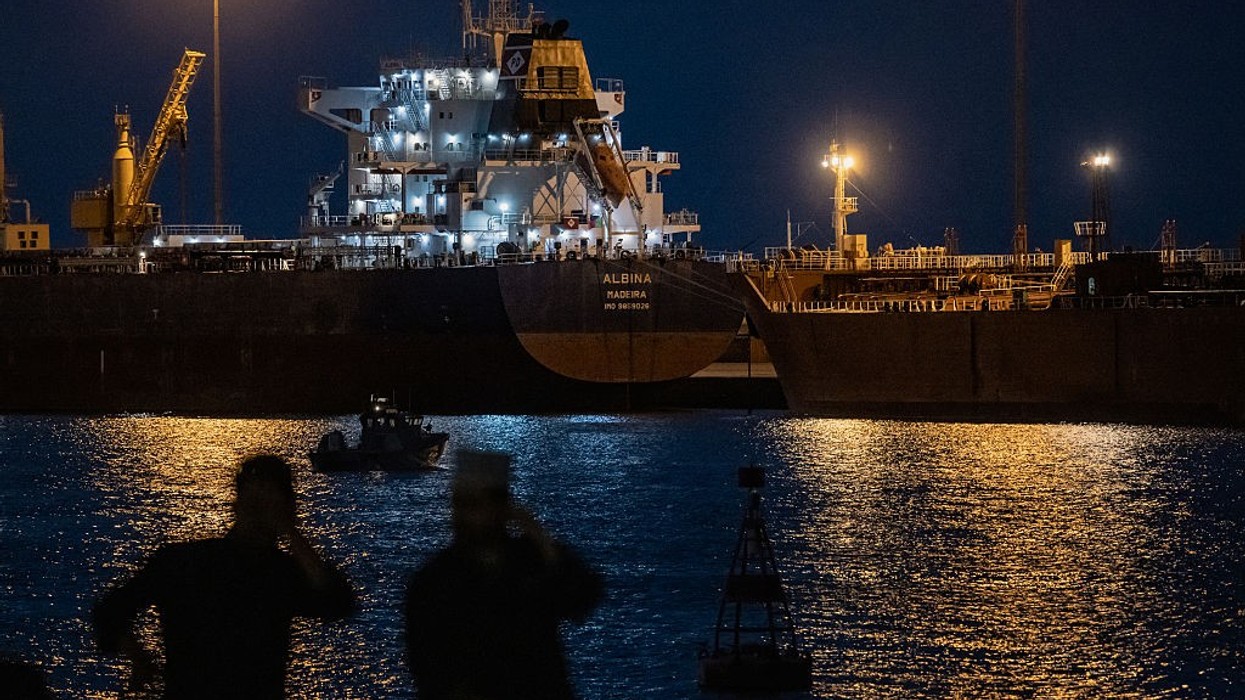

- Iran stopped a Pakistan-bound container ship for lacking transit authorization
- The move reflects tighter Iranian control over the Strait of Hormuz
- Nearly all tanker traffic in the region has been disrupted
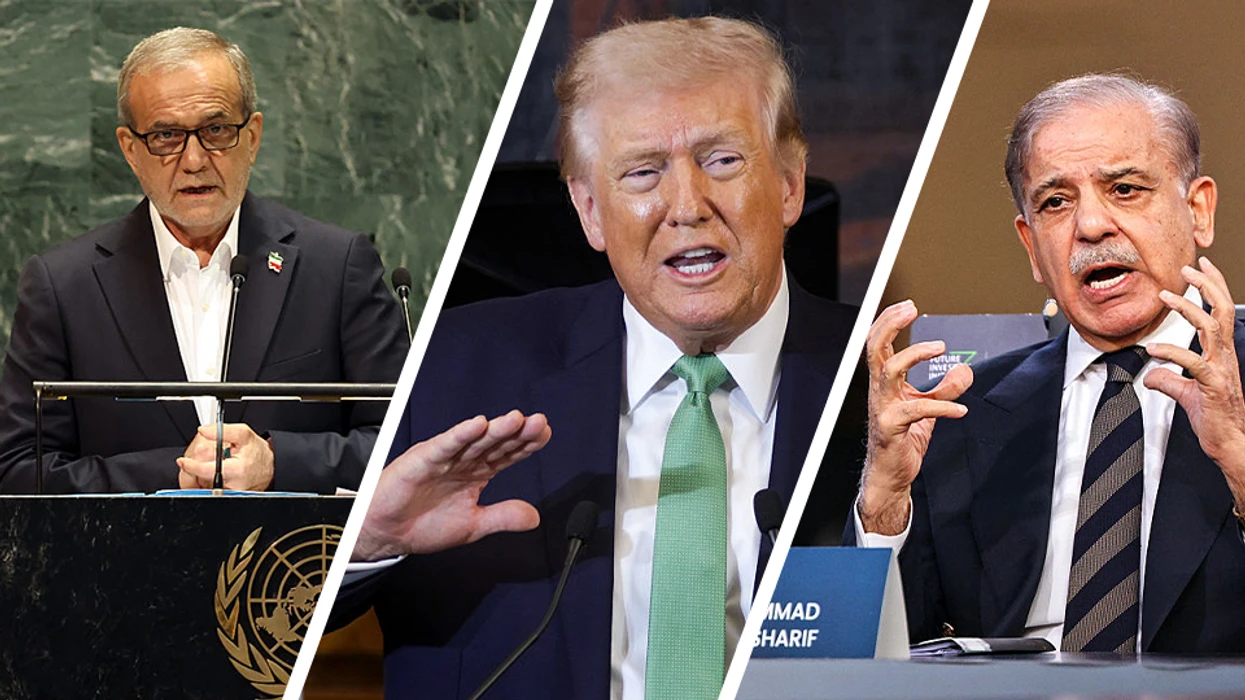
- Pakistan is positioning itself as a potential mediator in the conflict
- Prolonged tensions risk economic and security fallout for the region
Amid intensifying conflict in the Middle East, Iran has blocked a Pakistan-bound container vessel from entering the Strait of Hormuz, citing failure to obtain proper transit authorization. The incident underscores Tehran’s tightening grip over one of the world’s most critical oil shipping routes.
The vessel, identified as SELEN, was traveling from Sharjah in the United Arab Emirates toward Karachi in Pakistan when it was intercepted by Iran’s naval forces. According to officials from the Islamic Revolutionary Guard Corps (IRGC), the ship was denied passage because it had not complied with required legal and coordination protocols.
IRGC Navy Commander Alireza Tangsiri stated that all vessels must secure prior authorization before entering the waterway. He emphasized that Iran intends to regulate maritime traffic through the strait and ensure compliance with its rules, especially during the ongoing regional conflict.
The Strait of Hormuz, which connects the Persian Gulf to global shipping lanes, is a vital artery for energy supplies. Approximately one-fifth of the world’s oil passes through this narrow corridor. However, escalating hostilities involving Iran, the United States, and Israel have significantly disrupted maritime activity, with reports indicating that most tanker traffic has come to a halt.
Iran has stated that while it has not entirely closed the strait, passage is now conditional. Non-hostile vessels may still transit the route, provided they coordinate in advance with Iranian authorities. However, ships linked to nations or entities considered adversarial may be denied access altogether.
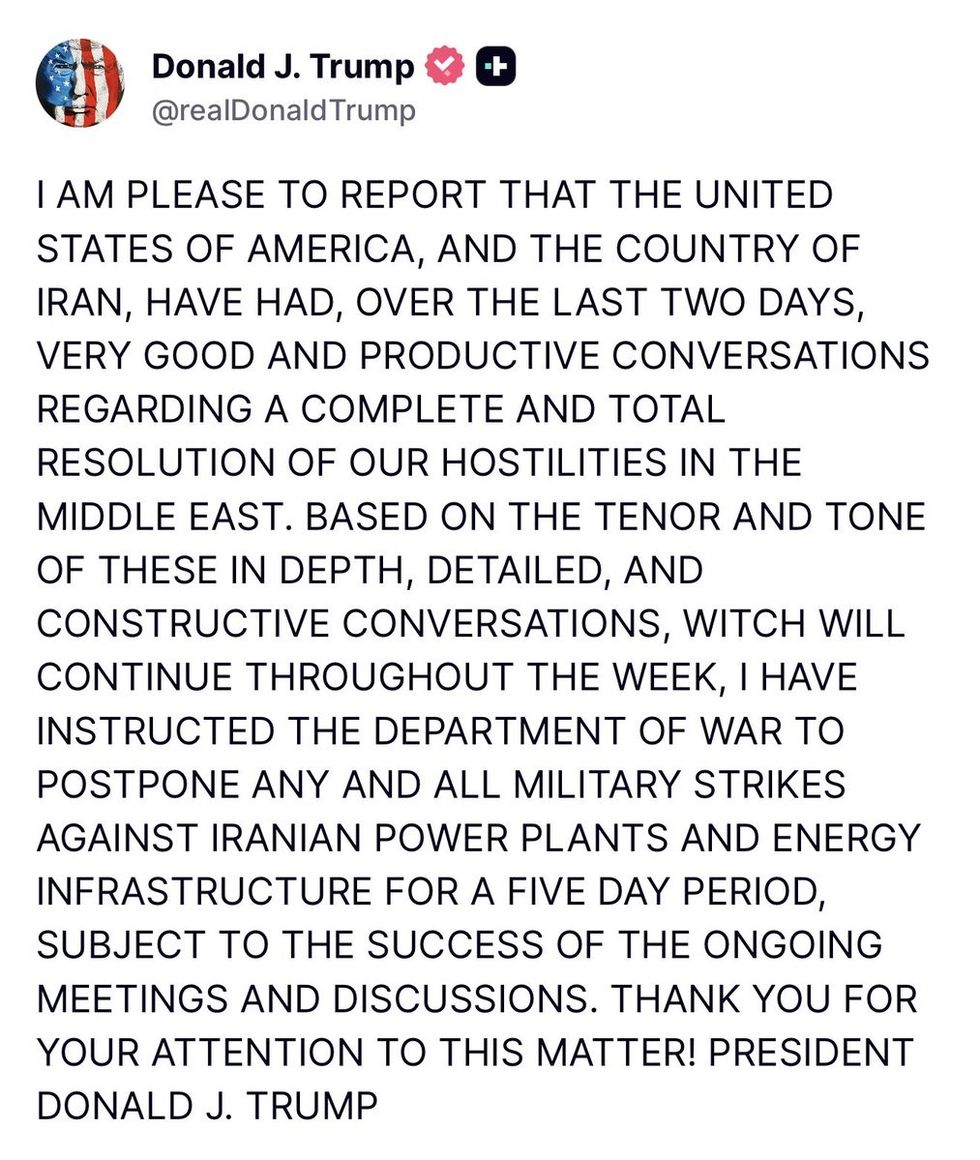
Meanwhile, Pakistan is attempting to carve out a diplomatic role in the crisis. Islamabad has positioned itself as a potential mediator, offering to facilitate dialogue between Tehran and Washington. Its efforts build on historical ties with Iran and its recent outreach to US leadership, including former President Donald Trump.
If successful, Pakistan’s involvement could elevate its international standing, recalling its role in facilitating backchannel diplomacy that led to the historic US-China rapprochement in the early 1970s.
However, Pakistan also has significant stakes in the conflict’s outcome. A prolonged war could destabilize its western border regions and worsen existing security challenges, including tensions involving the Afghan Taliban. Additionally, disruptions in fuel supplies linked to the conflict have already begun affecting Pakistan’s economy.
Despite mounting international concern, Iran has so far rejected calls for negotiations. As tensions persist, the situation in the Strait of Hormuz remains volatile, with global energy markets and regional stability hanging in the balance.












 Instagram/