Layoffs in the US technology sector have impacted the Indian community who are staying there on temporary visas more than any other foreign groups.
Their problem has arisen due to backlogs in obtaining green cards or permanent residency in the country.
Major companies have resorted to mass layoffs as soaring inflation is eroding their profits. H-1B visa holders who lost their jobs have to find new employment in the country within two months if they want to continue their stay there.
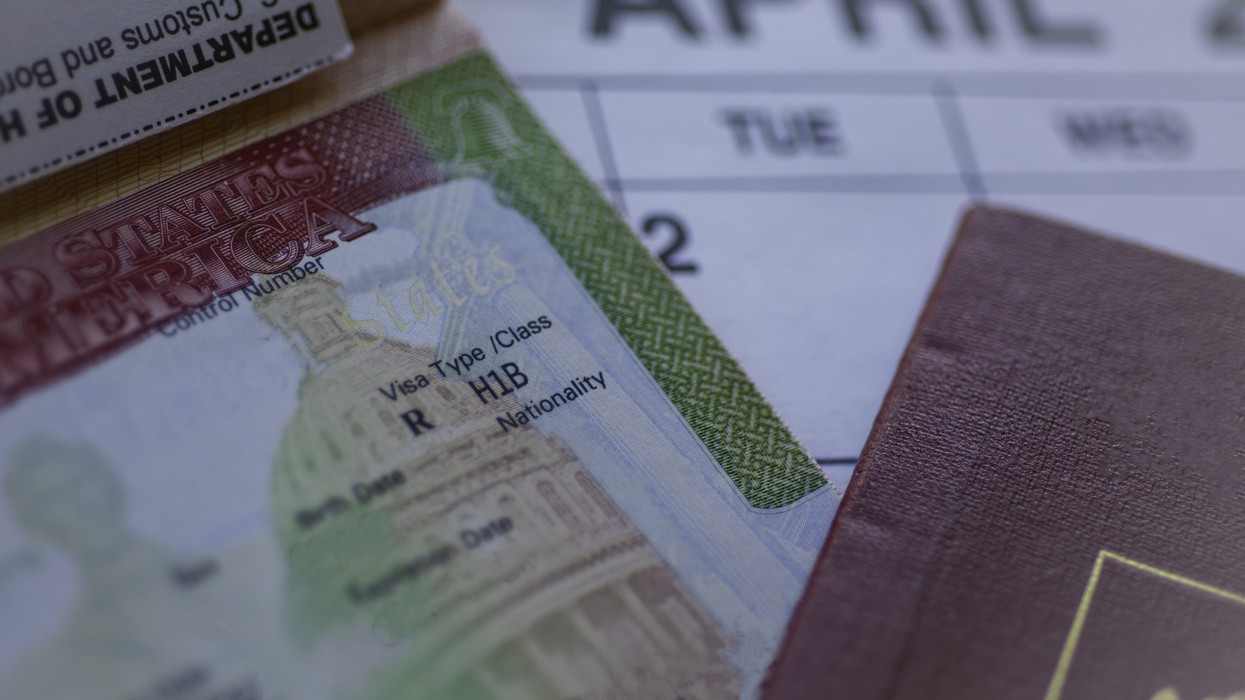
H-1B visas are issued for three years with a provision for extension and each year a maximum of 85,000 foreigners are allowed. The demand is high for visas, particularly among Indian professionals.
However, America’s immigration laws allow H-1B visa holders to stay in the country for only up to 60 days after the termination of their contracts. They have to leave the country unless some other employers sponsor their visas.
Amazon, Twitter, Meta and Lyft and other technology companies have sponsored some 45,000 H-1B visas over the past three years and layoffs at Meta and Twitter have proven to be disadvantageous for around 350 immigrants, a Bloomberg report said.
A congressional document estimated that the waiting time for Indians who applied for green cards in 2020 goes to as long as 195 years. This compares 18 years for Chinese workers and less than a year for people from the rest of the world.
The Bloomberg report cited the example of an H-1B holder from India, who recently bought a house in Seattle to start a job with Meta.
Having lived in the US for 15 years, the father of two is now hoping to find a job as a technical product or program manager. He has been scouring his networks on LinkedIn, joining dedicated WhatsApp groups and submitting application after application, the report said.