
Highlights:
- Iran permits India, China, Russia, Iraq, and Pakistan to use the Strait of Hormuz
- Shipping restrictions target Iran’s adversaries and their allies
- The strait handles nearly 20 per cent of global oil and LNG trade
- Oil and gas prices surge amid fears of prolonged disruption
- India pushes diplomatic efforts to ensure energy security
Iran has announced that it will allow India and a select group of nations to continue commercial shipping through the strategically vital Strait of Hormuz, even as it tightens restrictions on countries it considers adversaries. The decision comes at a time of escalating tensions in West Asia that have already disrupted global energy markets.
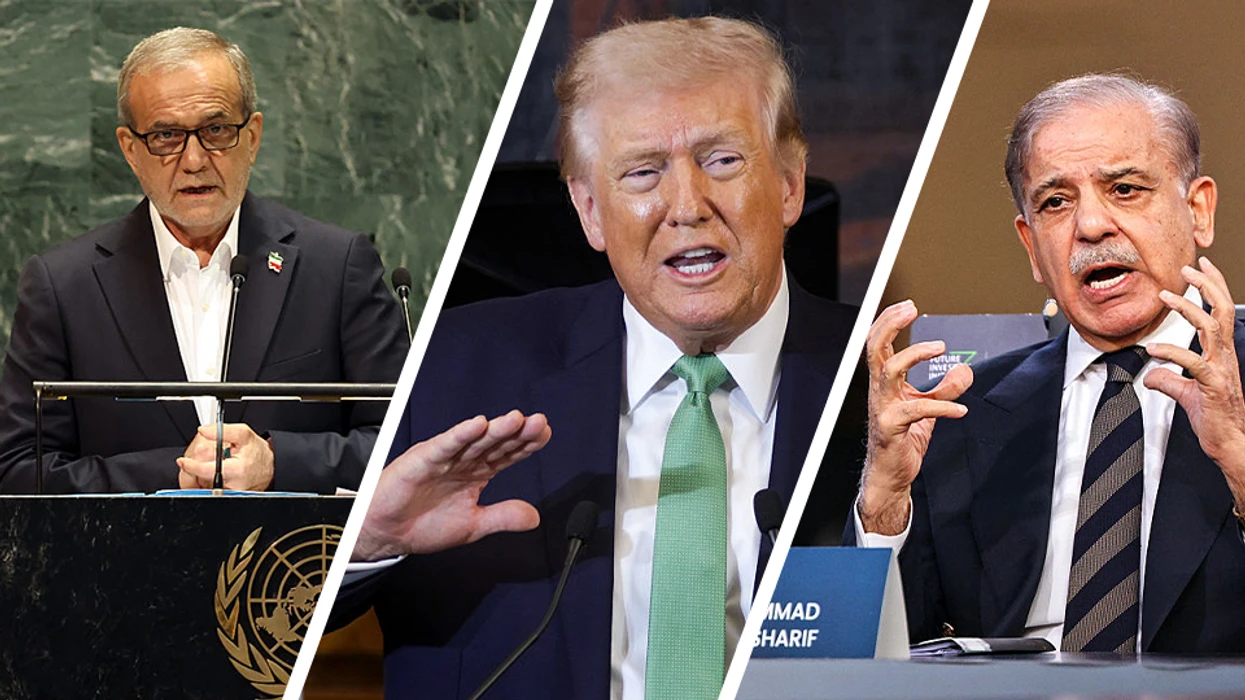
According to Iranian Foreign Minister Seyed Abbas Araghchi, countries including India, China, Russia, Iraq, and Pakistan have been granted permission to transit through the narrow waterway. He described these nations as “friendly,” emphasizing that Iran is prioritizing strategic relationships during the ongoing conflict.
At the same time, Araghchi made it clear that vessels linked to Iran’s rivals will not be allowed passage. He characterized the region as a “war zone,” underscoring that Iran sees no justification for permitting the transit of ships associated with hostile nations or their allies.
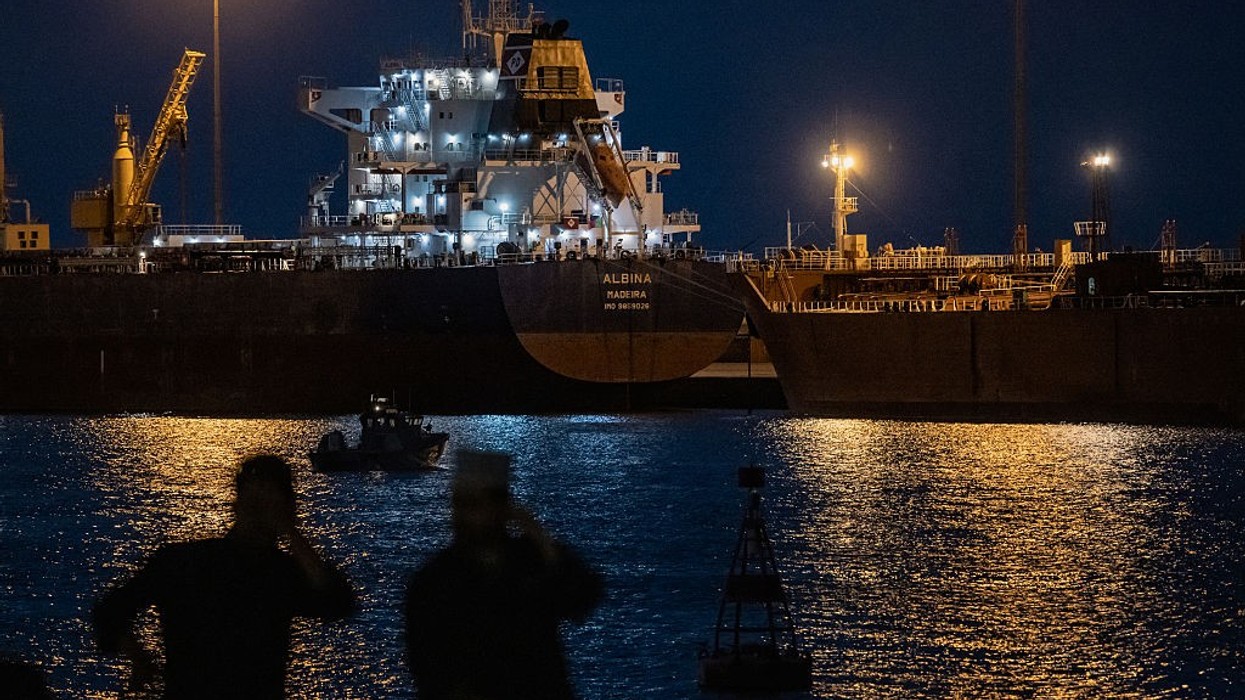
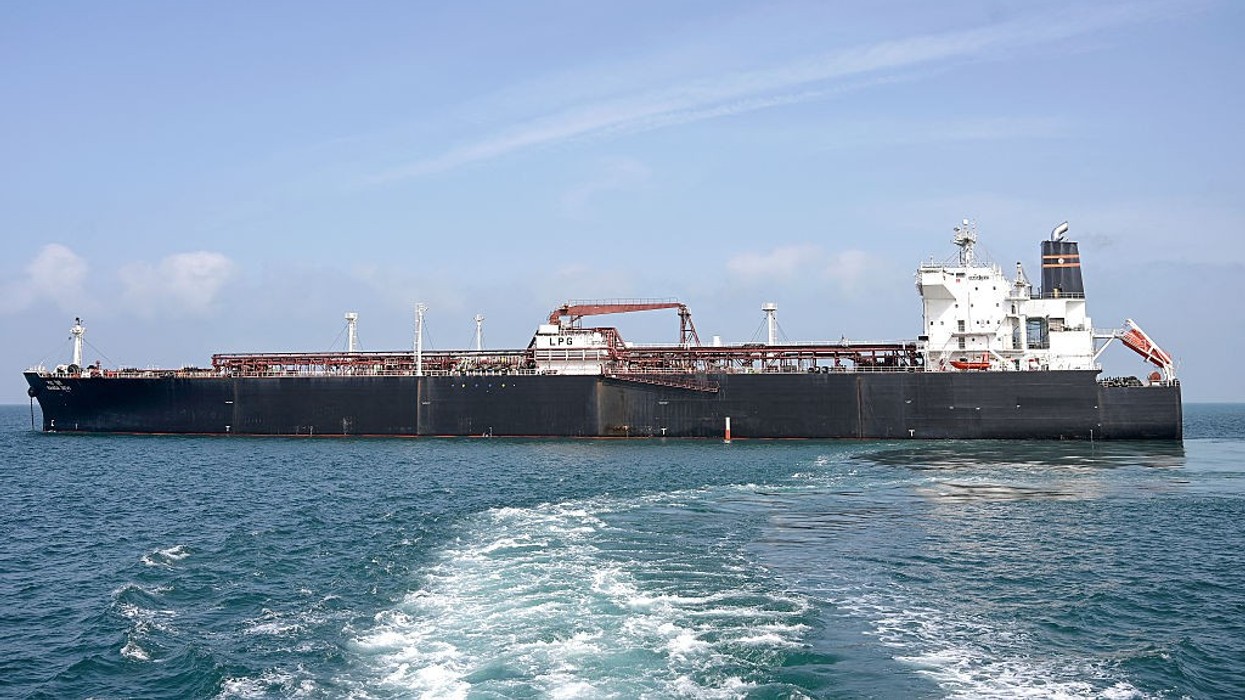
The Strait of Hormuz is one of the world’s most critical maritime chokepoints, handling approximately 20 percent of global oil and liquefied natural gas (LNG) shipments. Any disruption in this corridor has immediate and far-reaching implications for global energy supply chains. Recent restrictions have already caused a sharp increase in oil and gas prices, raising concerns among major importing countries.
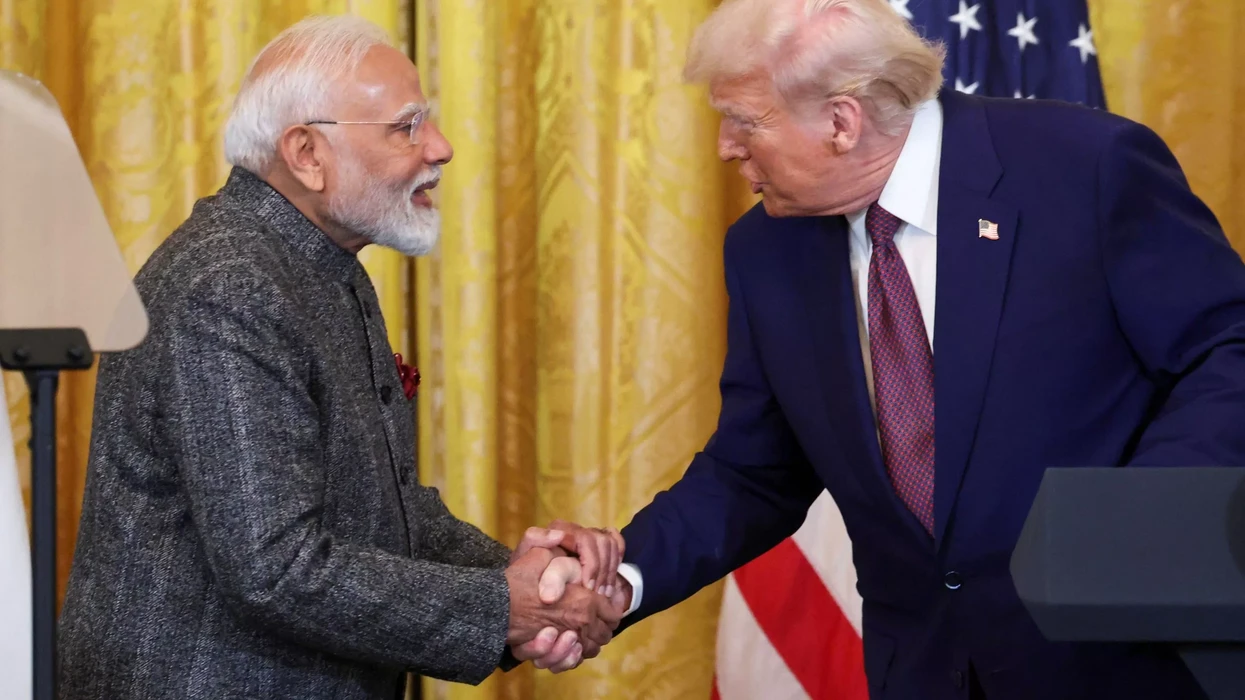
India, which relies heavily on West Asia for its energy needs, is particularly vulnerable to such disruptions. The region remains a key supplier of crude oil and LNG, making uninterrupted access through the strait essential for maintaining fuel stability and economic balance. Indian officials have been closely monitoring the situation and engaging in diplomatic efforts to de-escalate tensions and ensure the continued flow of energy supplies.
Meanwhile, global pressure on Iran is mounting. Donald Trump has issued a strong warning, urging Tehran to fully reopen the waterway or face serious consequences. The United States and its allies view unrestricted navigation through the strait as crucial to maintaining global economic stability.
Over the past two weeks, India has intensified its diplomatic outreach, advocating for a peaceful resolution to the conflict. New Delhi has emphasized that prolonged disruption in the Strait of Hormuz could have severe consequences not only for fuel availability but also for fertilizer supply chains, which are closely tied to energy imports.
As tensions persist, the situation remains fluid, with significant implications for global trade, energy security, and geopolitical stability.