
Highlights:
- Iran’s missile strike halted production at Qatar’s largest LNG facility
- Global gas and oil markets face severe supply disruptions
- Strait of Hormuz tensions have stalled major shipping routes
- India relies on Qatar for a significant share of LNG imports
- Energy shortages may force India to cut industrial gas usage
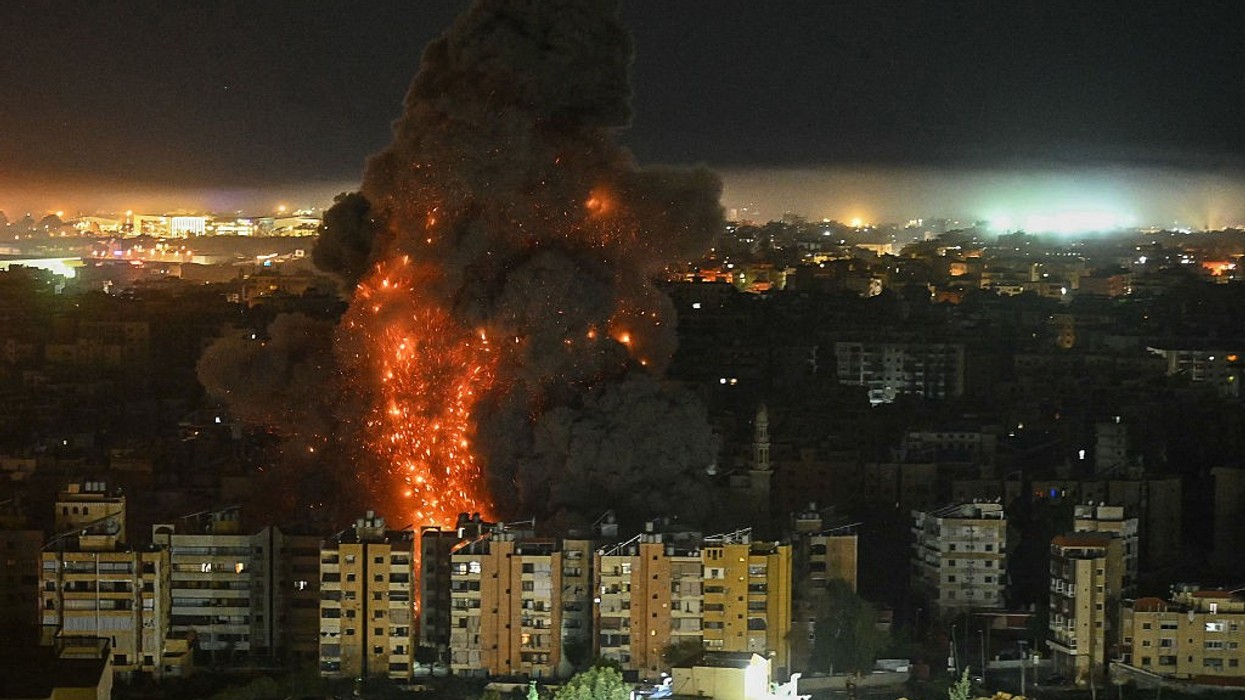
Global energy markets have been thrown into turmoil after Iran launched a missile attack on Qatar’s Ras Laffan industrial city, home to the world’s largest liquefied natural gas (LNG) export facility. The strike has forced a complete halt in production, intensifying concerns about supply disruptions and rising fuel prices worldwide.
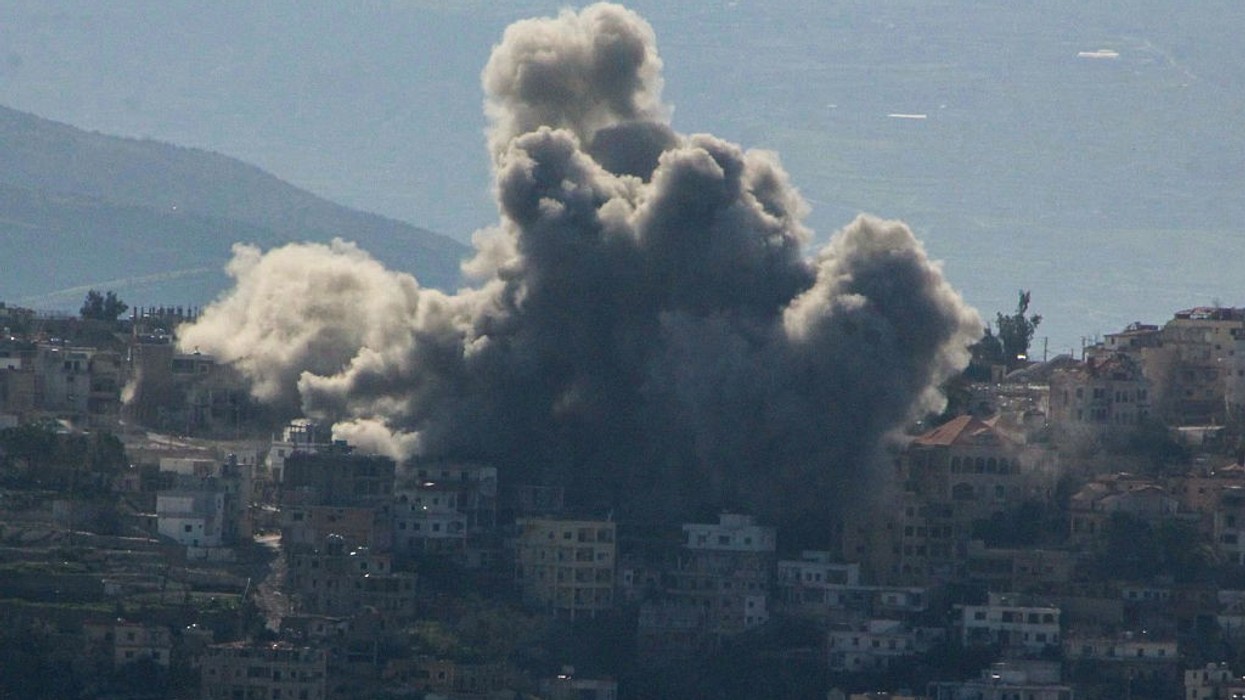
The attack comes amid escalating tensions in the Middle East, where Iran has been retaliating against recent US and Israeli military strikes. Tehran has targeted both military and economic assets across the Gulf region, including critical energy infrastructure. The assault on Qatar’s LNG hub marks a significant escalation, drawing strong reactions from Gulf nations that rely heavily on hydrocarbon exports.
Qatar is one of the world’s leading LNG producers, alongside the United States, Australia, and Russia. The Ras Laffan facility plays a central role in global gas supply chains. This is not the first disruption in recent weeks. Earlier in March, Iranian strikes on Qatari gas fields forced QatarEnergy to suspend production temporarily. Those attacks were reportedly in response to Israeli operations targeting Iran’s South Pars gas field, part of the world’s largest natural gas reserve shared with Qatar.
The broader conflict has also severely affected maritime routes. The Strait of Hormuz, a crucial chokepoint through which nearly 20% of the world’s oil passes, has effectively become a conflict zone. Tanker traffic has slowed dramatically due to security threats, leaving hundreds of vessels stranded near key ports. This disruption has further tightened global energy supplies and driven up prices.
Since the conflict began in late February, the situation has continued to escalate. US and Israeli forces have carried out multiple strikes on Iranian targets, including senior leadership figures. Iran, in turn, has responded with missile and drone attacks across the region while leveraging its influence over critical energy routes.
For India, the developments pose a serious economic challenge. The country depends heavily on imported natural gas, with about half of its total requirement sourced from international markets. Of this, a significant share—roughly 40% of LNG imports—comes from Qatar, making India particularly vulnerable to disruptions in Qatari supply.
India’s daily natural gas consumption stands at around 189 million metric standard cubic meters per day (MMSCMD), with domestic production accounting for just over half of that demand. Recent disruptions have already affected a substantial portion of imports, forcing state-owned energy companies to seek alternative suppliers.
Experts warn that India may need to reduce gas consumption, particularly in energy-intensive sectors such as power generation and industry. The sudden supply shock could also increase costs for businesses and consumers, adding pressure to an already sensitive economic environment.
As the conflict continues, uncertainty looms over global energy markets. Any prolonged disruption in the Gulf region could have far-reaching consequences, not only for energy prices but also for economic stability in countries heavily reliant on imports, including India.