
Growing tensions between Iran, Israel, and the United States are starting to affect India’s healthcare sector, with early signs pointing to a possible increase in medicine prices. Industry experts and traders say that supply chain disruptions are already pushing up costs at the wholesale level.
At Bhagirathi Palace Market in Delhi, one of India’s largest wholesale hubs for medicines, traders report rising pressure across the supply chain. According to Ashish Grover, president of the Delhi Drug Traders Association, the cost of producing medicines is increasing due to higher prices for imported raw materials.
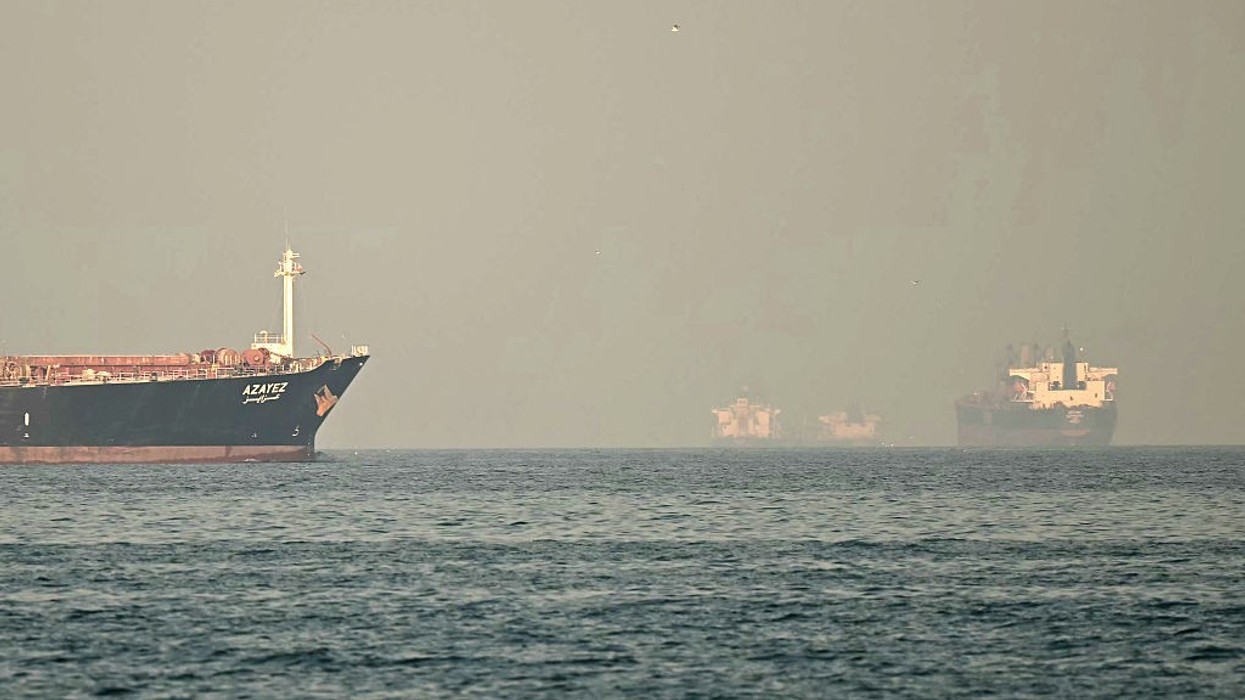
India depends heavily on imports for key pharmaceutical ingredients and packaging materials. With global trade routes under strain, the cost of essential materials such as aluminum and plastic has gone up. These materials are widely used in medicine packaging, and their rising prices are contributing to higher overall production costs.
The impact is expected to go beyond specialized drugs. Commonly used medicines like paracetamol, amoxicillin, metformin, and azithromycin could also be affected. These medicines are widely used to treat everyday conditions such as fever, infections, diabetes, and respiratory illnesses. Millions of people across India rely on them daily, making any price increase a major concern.
For now, traders say there is no immediate shortage, and existing stock levels remain stable. However, they warn that the situation could worsen if global tensions continue. Delays in the supply of raw materials may eventually lead to reduced production and higher prices in the retail market.
Pharmaceutical industry groups have already raised the issue with the Indian government. They have submitted an emergency report outlining the risks to raw material supplies and urging timely action to prevent further disruption.
Experts believe that if the geopolitical situation does not improve soon, both the availability and affordability of essential medicines could come under pressure. This could place an added burden on patients, especially those who depend on daily medication for chronic conditions.
As global conflicts continue to impact trade and supply chains, India’s healthcare system may face increasing challenges in maintaining steady access to affordable medicines.