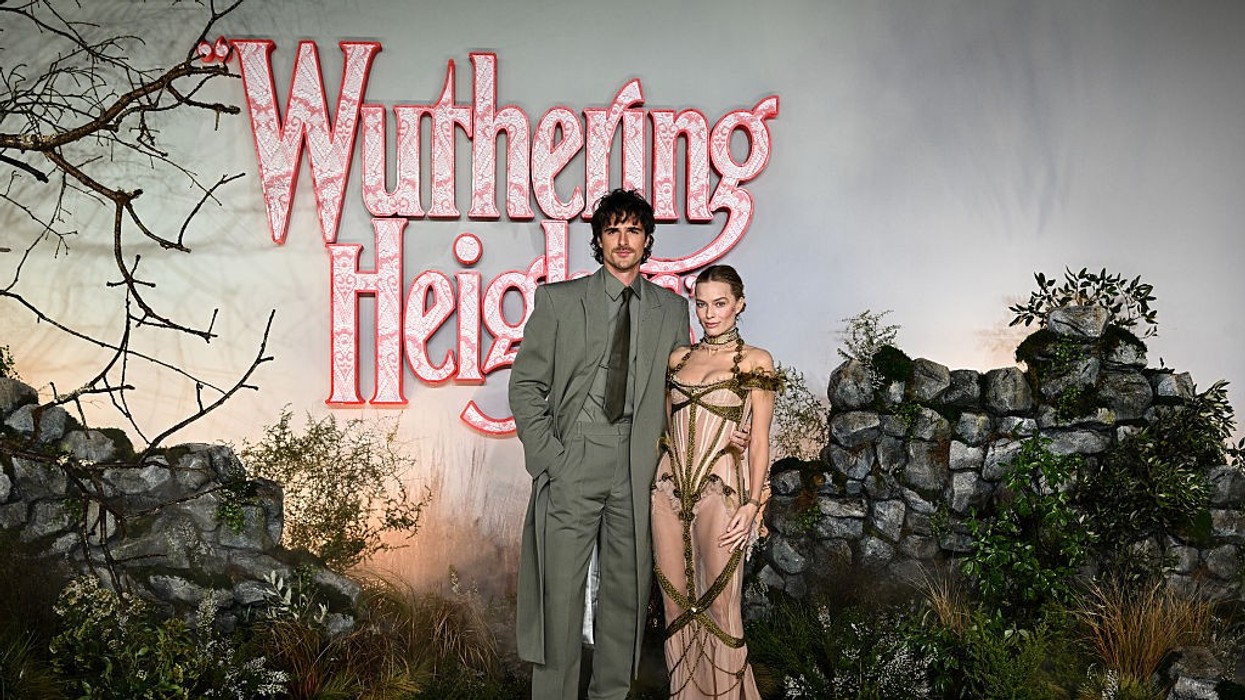

- Emerald Fennell’s adaptation divides UK and US critics
- Margot Robbie and Jacob Elordi lead the stylized reimagining
- Box office projections suggest a massive Valentine’s weekend debut
- Debate reignites over fidelity to Emily Brontë’s novel
- Readers weigh whether the film enhances or distorts the book
Emerald Fennell’s adaptation of Wuthering Heights opened in theaters on Valentine’s Day weekend, promising intensity. The director has said she hopes the film will “provoke a sort of primal response.” But as audiences flock to see her vision, a central question lingers: has the movie inspired viewers to pick up Emily Brontë’s original novel — or revisit it with fresh eyes?
First published in 1847, Brontë’s tempestuous tale of Heathcliff and Catherine Earnshaw was not initially embraced as a love story. Its gothic extremes — obsession, cruelty, revenge, unsettled early readers. Fennell herself has acknowledged the challenge of adaptation, saying, “I can’t adapt the book as it is but I can approximate the way it made me feel.”
- YouTube youtu.be
That personal approach is evident in Wuthering Heights, which stars Margot Robbie as Catherine and Jacob Elordi as Heathcliff. Marketed deliberately with quotation marks, “Wuthering Heights,” the film signals it is not a strict retelling but a stylized interpretation. Accompanied by an album from Charli XCX and promoted through a highly aestheticized press tour, the adaptation leans into visual spectacle and erotic intensity.
Critics, however, are deeply divided. The Guardian’s Peter Bradshaw called it “a 20-page fashion shoot of relentless silliness, with bodices ripped to shreds and a saucy slap of BDSM,” awarding just two stars. The Independent described it as “an astonishingly hollow work,” while the Times criticized Robbie’s portrayal as a “Brontë Barbie,” arguing that Heathcliff had been reduced to “pouty man-candy with a shaky Yorkshire accent.”
Across the Atlantic, the tone is notably warmer. The Atlantic hailed it as “a heaving, rip-snortingly carnal good time at the cinema.” The Telegraph awarded five stars, praising it as “resplendently lurid, oozy and wild,” and The Hollywood Reporter declared that “The leads are captivating and their chemistry sizzles.”
Despite mixed reviews — or perhaps because of them, early projections suggest the film could recoup its $80 million production budget in its opening weekend. Estimates point to roughly $50 million domestically across 3,600 US screens and another $40 million overseas, positioning it as a Valentine’s Day box office force.
The debate goes beyond star power and ticket sales. Some critics argue the film sacrifices emotional depth for high-camp maximalism, while others insist that style itself becomes substance. Questions have also arisen over casting choices and intentional anachronisms, with some viewers noting that Brontë described Heathcliff as “dark-skinned,” a detail central to the novel’s themes of otherness and social exclusion.
For readers, the renewed attention presents an opportunity. Does encountering the story first on screen reshape how we interpret the novel’s layered narration and moral ambiguity? Or does rereading Brontë before watching deepen appreciation for what Fennell preserves, and what she discards?
Whether you see it as a “hollow misfire” or a “carnal good time,” the film has undeniably reignited conversation about one of literature’s most polarizing romances. So we want to know: has the new adaptation inspired you to read — or reread — Wuthering Heights? And if you’ve experienced both, which version lingers longer in your imagination — the windswept moors of the page, or the fever-dream vision on screen?








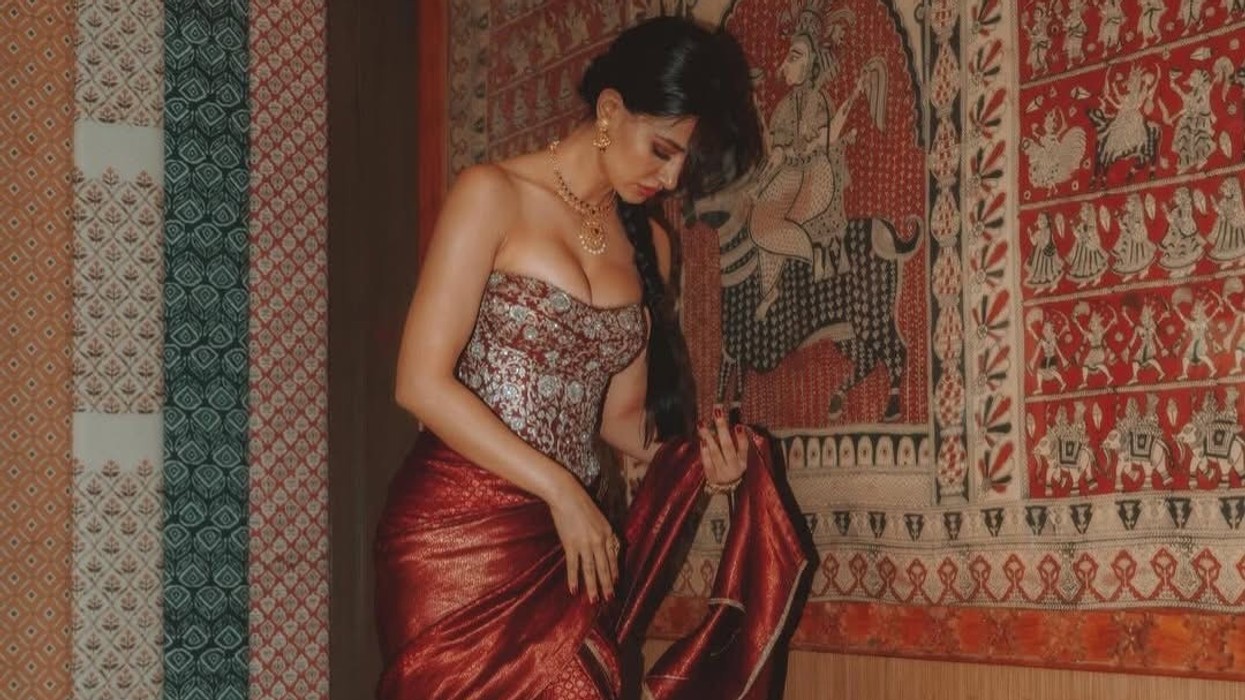
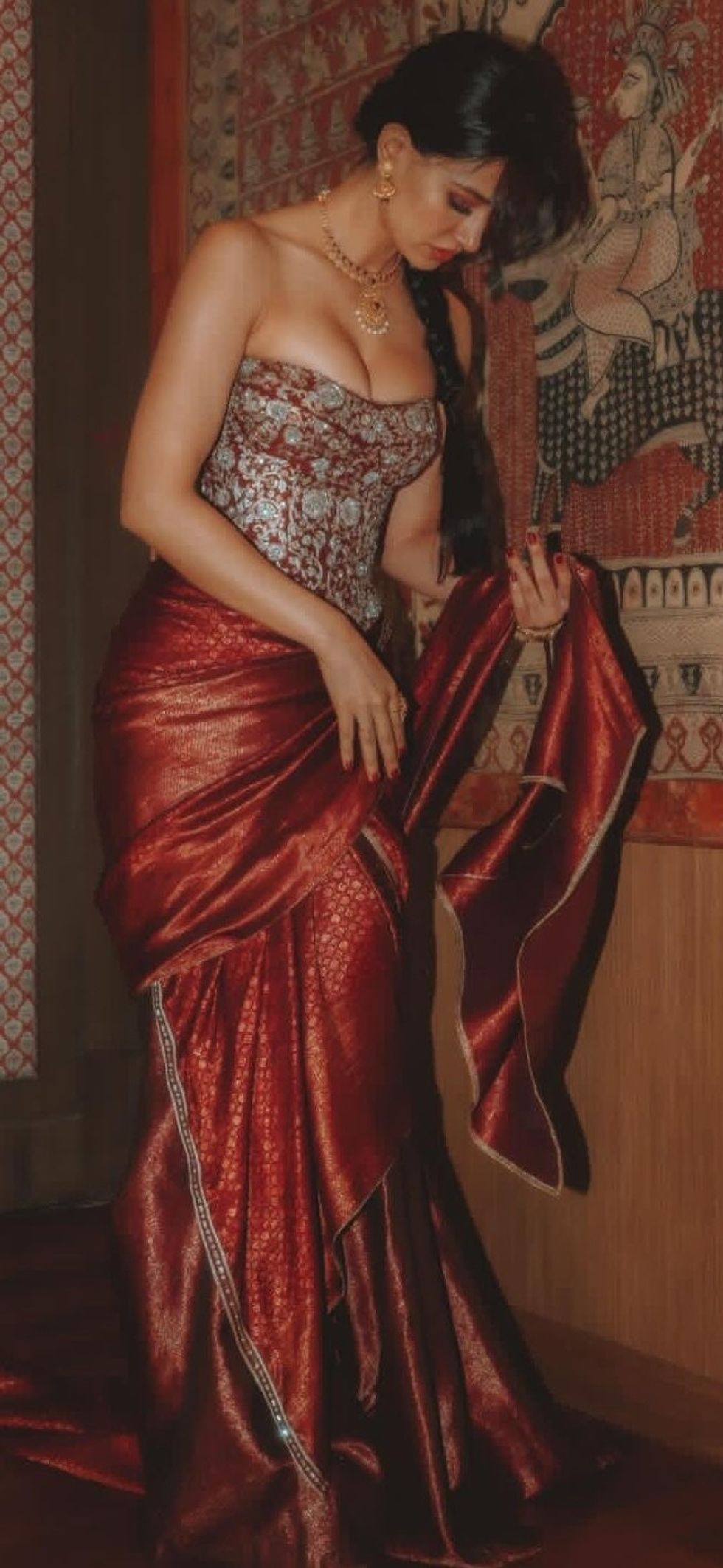 Balancing film buzz with a fashion moment that has taken over social mediaX/ Enter10ON
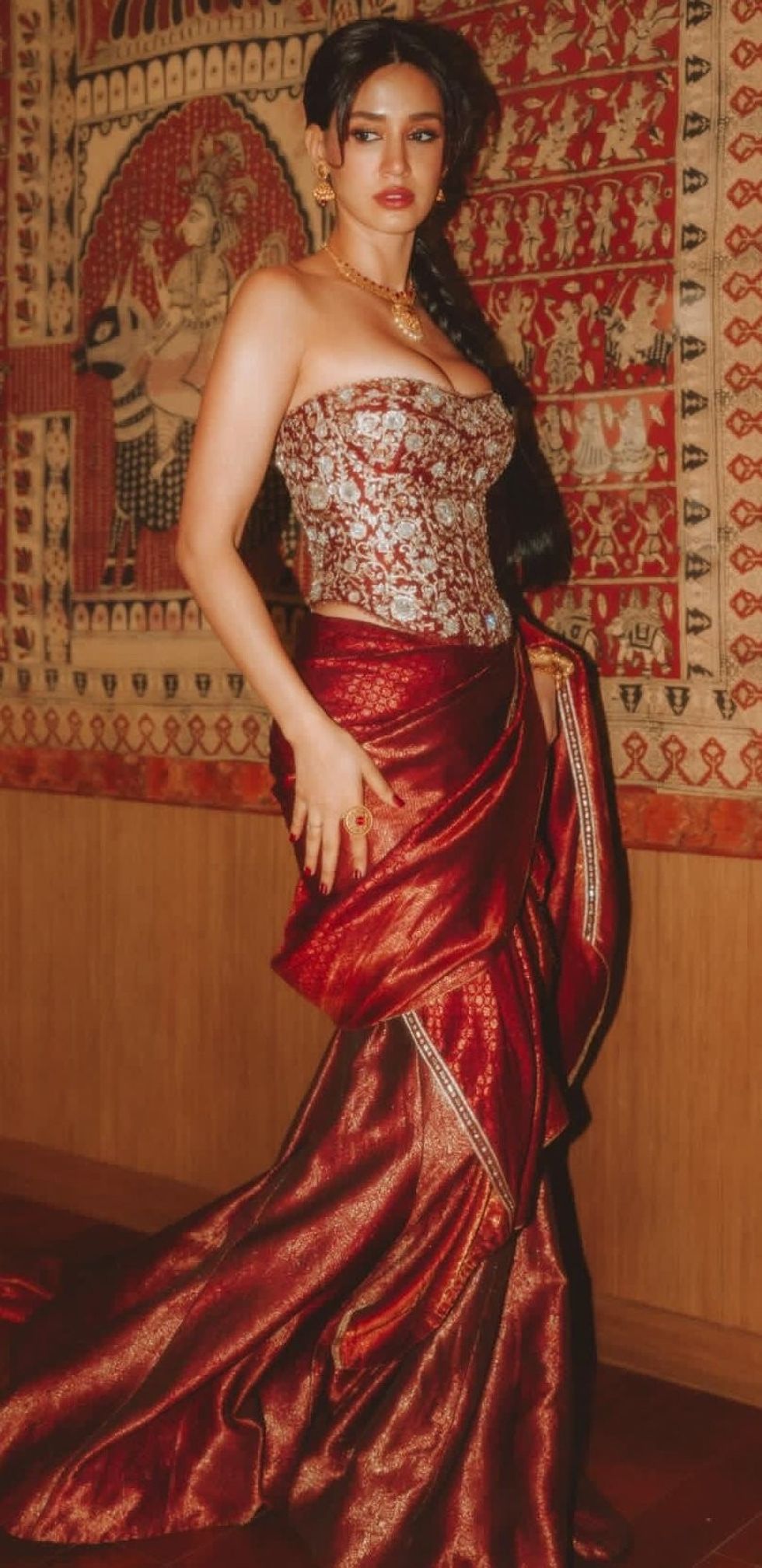 Fans praising the energy and confidence she brings to the screenX/ TopActressEver
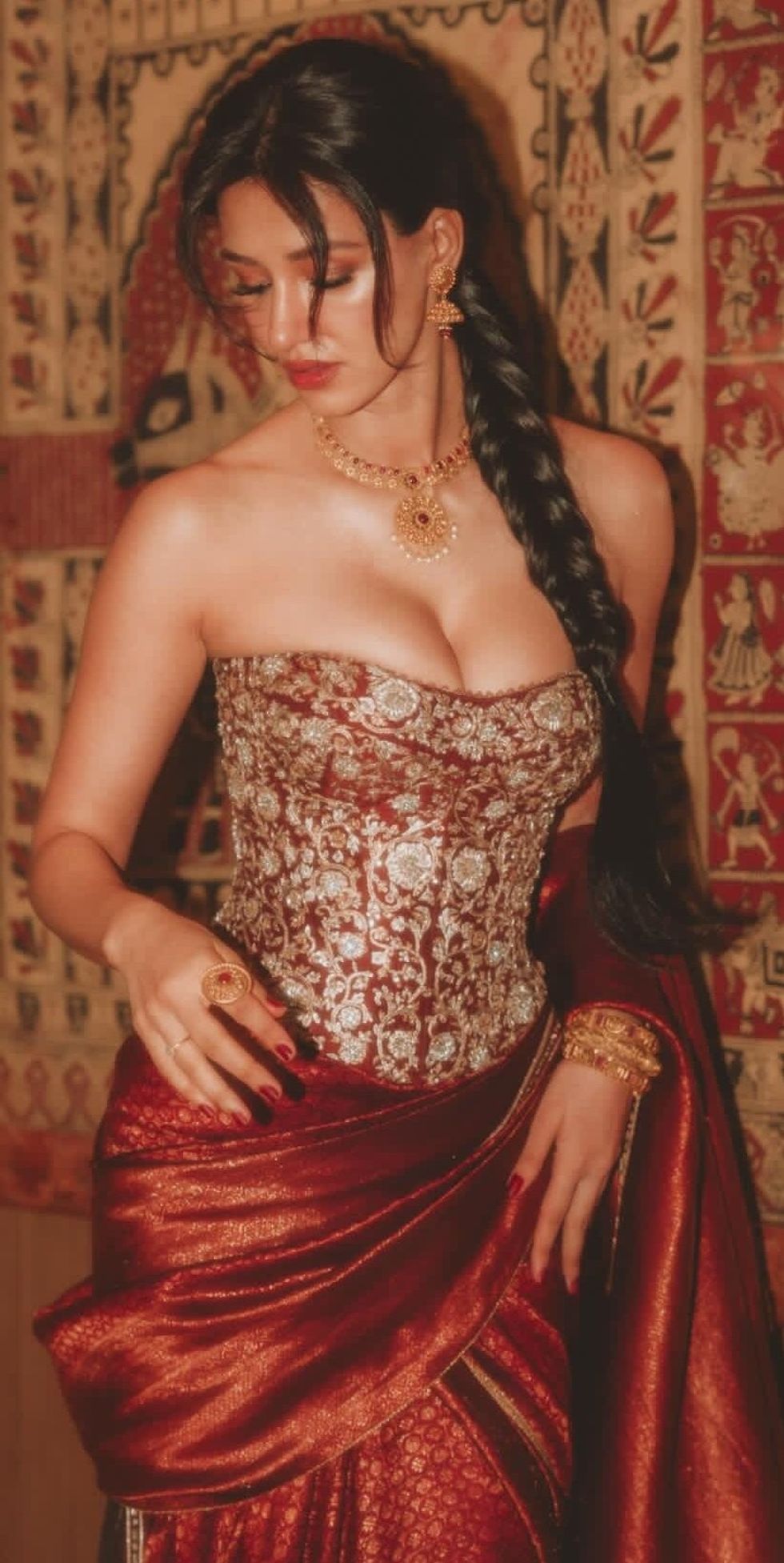 A viral fashion moment has once again placed her firmly in the public eyeX/ Enter10ON
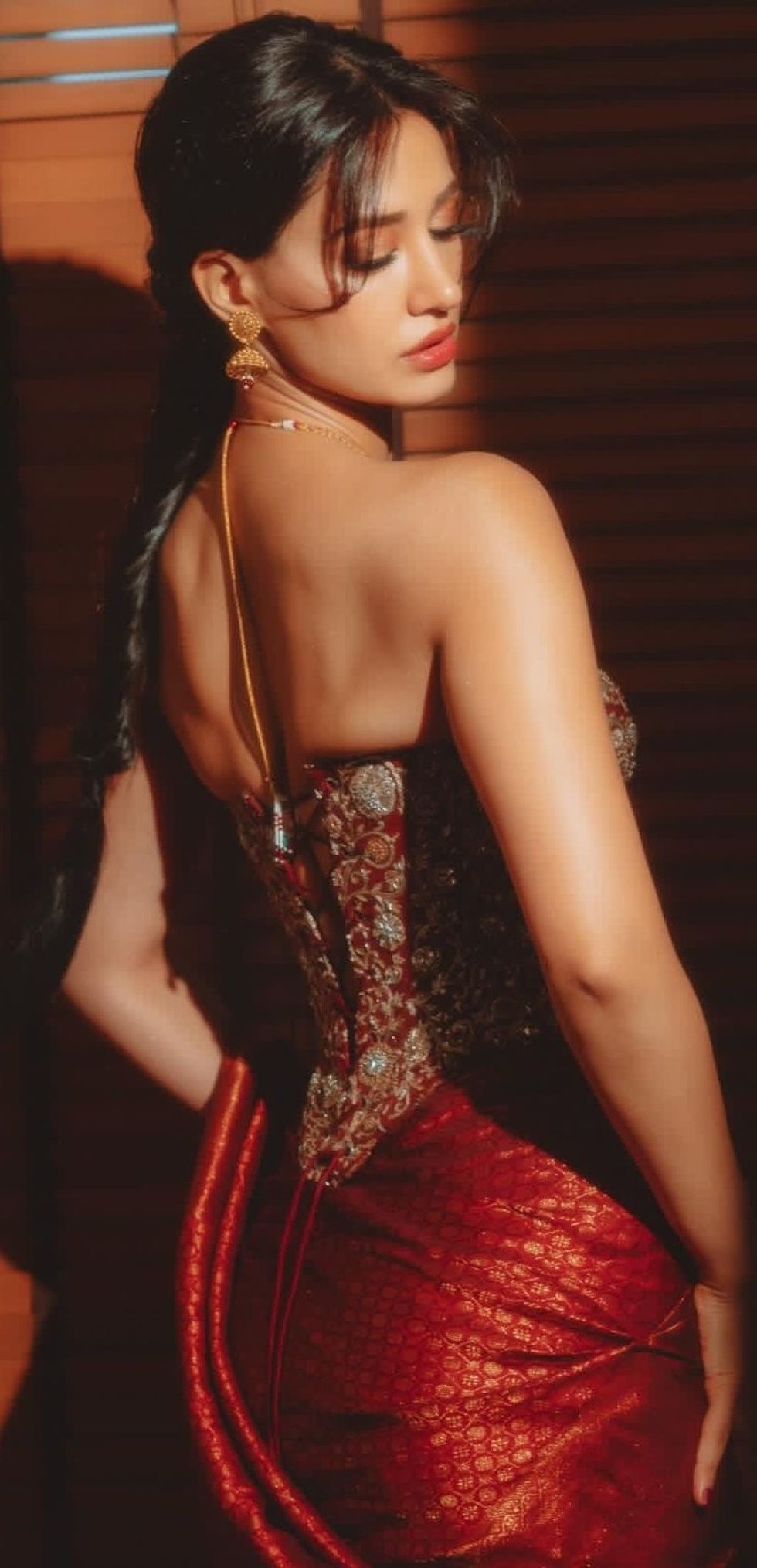 Disha Patani appears to be entering a busy phaseX/ Enter10ON